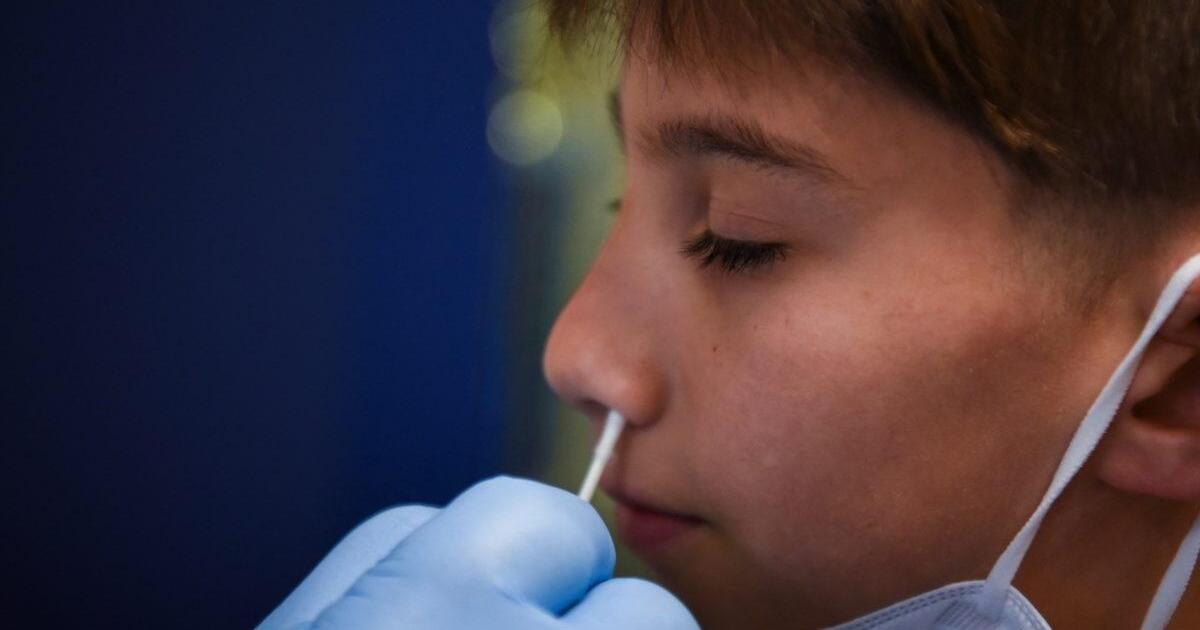
When Angela Williams in Detroit received her first of millions of free at-home COVID-19 tests shipped by the federal government, it wasn’t just relief she felt—it was hope. Across the United States, from rural clinics in Montana to community centers in Miami, the Biden administration’s nationwide rollout of 500 million free tests and 400 million N95 masks is quietly reshaping access to pandemic tools during the surge of the Omicron variant. At a moment when testing shortages left families scrambling, this effort has become a lifeline, ensuring that cost and availability no longer stand between Americans and peace of mind.
The scale of this operation is unprecedented in public health outreach. Every U.S. household can now order four free at-home tests through a dedicated government website, a move that has already delivered over 250 million tests since January 2022. Alongside this, the distribution of high-filtration N95 masks—up to three per person—targets the most vulnerable communities, where transmission risks remain high. These actions respond directly to the challenges posed by Omicron, a variant that spread faster than any previous form of the virus, infecting millions within weeks and overwhelming testing sites from New York to Los Angeles.
The impact is measurable and immediate. In Philadelphia, public health officials reported a 30% increase in early detection of cases thanks to at-home tests, allowing quicker isolation and reduced household spread. In Navajo Nation communities, where healthcare access has long been limited, tribal leaders partnered with federal agencies to distribute tests and masks door-to-door, reaching elders and remote families who might otherwise have been left behind. Meanwhile, data from the CDC shows that areas with higher test distribution saw up to a 22% slower rate of hospitalization growth during the Omicron peak.
This isn’t just about slowing a virus—it’s about equity. For low-income families, uninsured individuals, and those in medically underserved regions, free access to tests and masks removes a critical barrier. It acknowledges that pandemic resilience doesn’t come from breakthroughs alone, but from how evenly those breakthroughs are shared. As Dr. Rochelle Walensky, former CDC Director, put it: “Tools only work if people can use them.”
Looking ahead, the administration has signaled that this model—large-scale, equitable distribution of essential health resources—could inform future responses, not just for COVID-19 but for flu seasons and emerging pathogens. The infrastructure built to ship tests to 120 million homes doesn’t vanish when the pandemic fades. Instead, it stands ready—a blueprint for a more inclusive public health future. In every mailed envelope and masked smile, there’s a quiet message: this time, no one needs to face the storm alone.