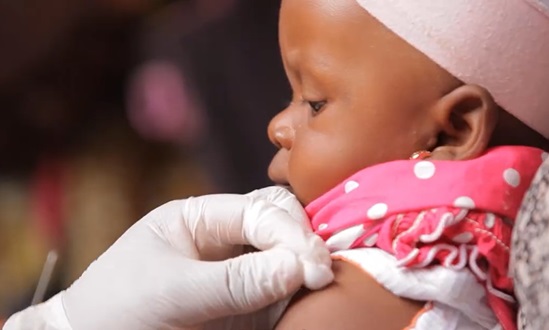
The World Health Organization is simplifying its COVID-19 vaccination approach with a major shift: most people now need just a single dose for primary immunization, not multiple doses in sequence. This change marks a significant turning point in the global vaccination effort, moving from the multi-dose regimens of earlier years to a streamlined strategy designed to reach more people and protect the most vulnerable.
The reasoning behind this shift reflects the profound changes in the pandemic landscape. Most of the global population has now experienced at least one prior COVID-19 infection, which provides substantial immune protection. Combined with the immunity from previous vaccinations, a single-dose primary series is now recognized as sufficient for most people to gain adequate protection. This simplified approach addresses a critical barrier that has limited vaccine uptake worldwide: the burden of returning for multiple appointments.
The WHO's recommendation prioritizes monovalent Omicron XBB vaccines, which latest available data show provide modestly enhanced protection compared to earlier bivalent variant-containing vaccines and monovalent index virus vaccines. However, recognizing that access varies dramatically across regions and economic contexts, the organization has issued practical guidance for places where these newer vaccines aren't readily available. Any WHO emergency-use listed or prequalified vaccine—whether bivalent or monovalent—can be used effectively, since all continue to protect high-risk groups against severe disease.
This flexibility reflects a deeper commitment outlined in the WHO's Global COVID-19 Vaccination Strategy: ensuring effective and equitable distribution of vaccines worldwide. The reality is that some parts of the world still lack access to the latest vaccine formulations, and a pragmatic approach recognizes that any available vaccine is far better than none. For high-risk populations—the elderly, immunocompromised individuals, and those with underlying health conditions—the stakes remain high, and continued vaccination remains essential protection against life-threatening illness.
The simplified single-dose regime addresses one of the persistent challenges in global public health: the gap between vaccine availability and actual uptake. When people must commit to multiple appointments over weeks or months, many simply don't complete the series, particularly in resource-limited settings where transportation, time, and access to healthcare facilities present genuine obstacles. A single-dose approach removes this barrier and can meaningfully expand the proportion of at-risk populations who receive protection.
The WHO emphasizes that vaccine development continues to advance, with multiple candidates in various stages of clinical and pre-clinical development. These efforts ensure that vaccine technology will continue to adapt as the virus evolves and our understanding of the pandemic deepens. Meanwhile, global vaccination dashboards track progress in real time, with regional tracking systems in Africa and the Americas providing detailed visibility into doses administered and vaccine distribution patterns.
This evolution in vaccination strategy reflects mature pandemic management: moving away from universal mass campaigns toward targeted protection of those most vulnerable, simplifying requirements to maximize real-world uptake, and acknowledging that the pandemic response must be flexible enough to work across vastly different healthcare systems and economic realities. For millions of people at high risk of severe COVID-19, the message is clear—vaccination protection remains available, and the pathway to that protection has now become simpler than ever.