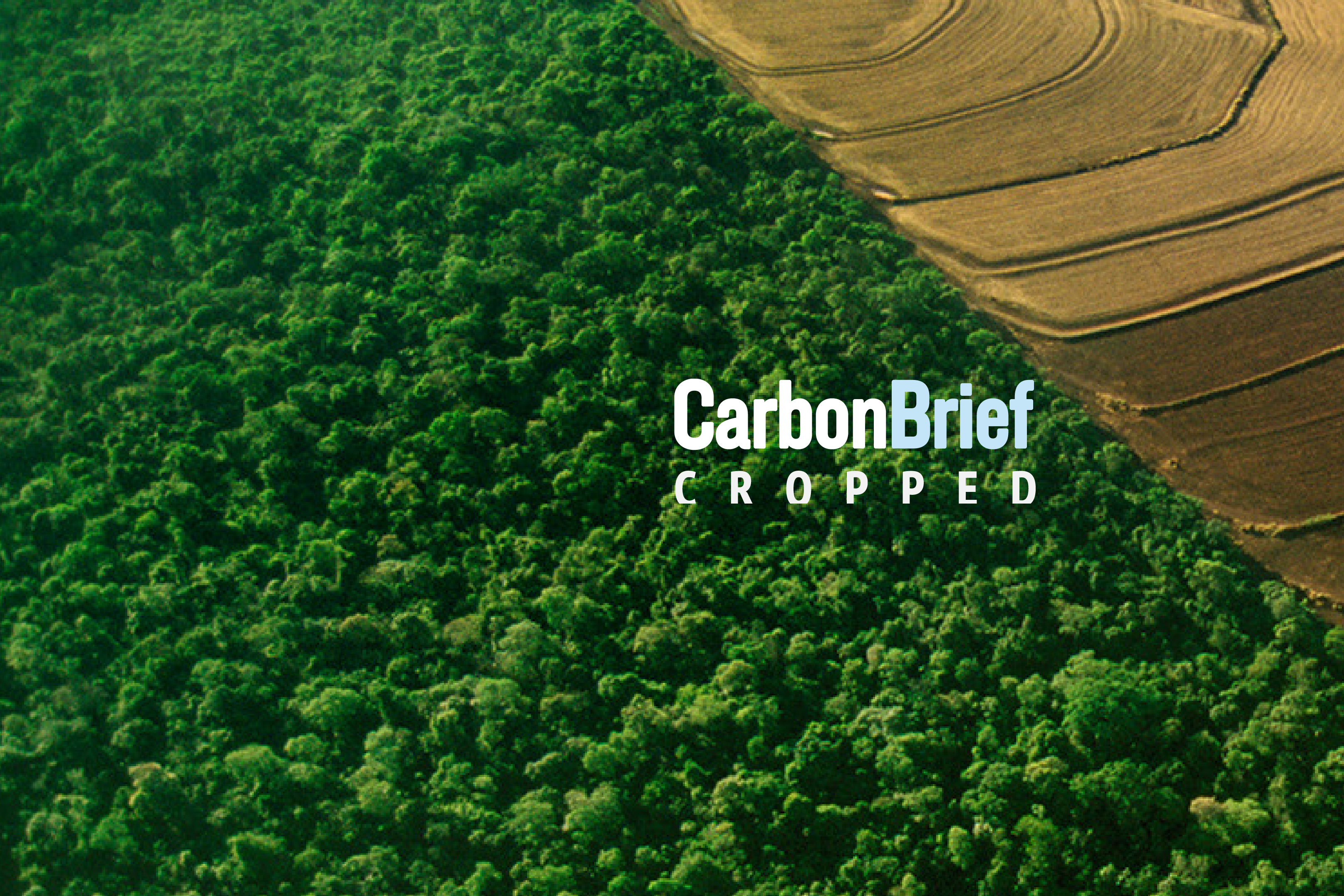
In the coastal city of Belém last year, 93 countries made a bold ask: a global roadmap to end deforestation by 2030. When negotiators stumbled on reaching agreement, Brazil stepped in with a different approach—a voluntary framework that invites each nation to chart its own path toward halting forest loss. At the UN Forum on Forests this spring, Juliano Assunção, an advisor to the COP30 presidency, unveiled the first outline of what this compromise roadmap might look like, signaling a pragmatic shift in how the world tackles one of its most urgent environmental crises.
The roadmap "will not prescribe a single model," Assunção explained, but instead will ask countries to translate their existing pledges into forest strategies rooted in their own regional and national realities. This flexibility matters because forest loss takes different forms across the globe—from agricultural expansion in the Amazon to palm oil plantations in Southeast Asia. Indonesia, for instance, announced its own ambitious carbon-offset initiative at the same forum, committing to restore 12 million hectares of degraded land, demonstrating how individual nations are beginning to operationalize their climate commitments.
Yet the urgency is stark. The UN's latest assessment on global forest goals paints a sobering picture: progress is evident, but insufficient. The world had aimed to increase global forest area by 3 percent by 2030, but instead forest area has declined by more than 40 million hectares since 2015. Two of the most critical targets—ending deforestation and eliminating extreme poverty among forest-dependent populations—remain out of reach at the current trajectory. These numbers underscore why Brazil's voluntary roadmap, however unconventional, matters: it removes negotiating gridlock and creates space for action.
Across the Pacific, a different conservation model is taking shape. The leaders of Papua New Guinea, Fiji, and Vanuatu signed a declaration establishing the Melanesian Ocean Corridor of Reserves, a sweeping initiative to create joint governance and enforcement frameworks across five Pacific nations. Papua New Guinea announced a marine protected area the size of the United Kingdom—prohibiting all fishing within its boundaries—signaling a dramatic commitment to ocean conservation. Vanuatu's Prime Minister Jotham Napat framed the moment as watershed: the corridor "reminds us that our solidarity, not the legacy of colonial rule, determines our future." Tuvalu is now developing its first-ever national security policy with maritime conservation at its center, with Prime Minister Feleti Teo declaring, "The ocean is our sovereignty."
These moves reflect a growing recognition that climate and ocean crises are inseparable. Yet there remains a structural blind spot. Dr. Carlos García-Soto of the Spanish National Research Council noted in a recent academic commentary that COP30's final decision text omitted the ocean entirely—a striking oversight given that the summit "deliver[ed] the strongest ocean-related initiatives ever presented at a UN climate conference." The disconnect suggests that even as individual countries forge ahead with conservation breakthroughs, the formal architecture of global climate governance still lags behind the science.
The roadmaps being laid now—in forests and oceans alike—reflect a world learning to work with its constraints rather than against them. Voluntary frameworks, national tailoring, regional solidarity: these are not the sweeping global mandates that the crisis arguably demands. Yet they are also the architectures within which change is actually happening. Whether they move fast enough remains the defining question.