When a pair of peregrine falcons nested atop the Travelers Tower skyscraper in downtown Hartford in 1997, it marked one of the most unlikely comebacks in Connecticut's environmental history. By the early 1970s, the entire peregrine falcon population had vanished from the Eastern United States—a collapse so swift and total that wildlife officials today call it "one of the most remarkable events in recent environmental history." Yet within a generation, the raptors had returned.
This month, Connecticut is proposing its most comprehensive update to its endangered species list in a decade, formally recognizing what conservation efforts have achieved. The state Department of Energy and Environmental Protection is moving both the peregrine falcon and bald eagle from threatened to special concern—categories that reflect genuine recovery while acknowledging the ongoing work required to sustain these populations. It is the first full review of Connecticut's endangered species list since 2015, delayed five years by the COVID-19 pandemic.
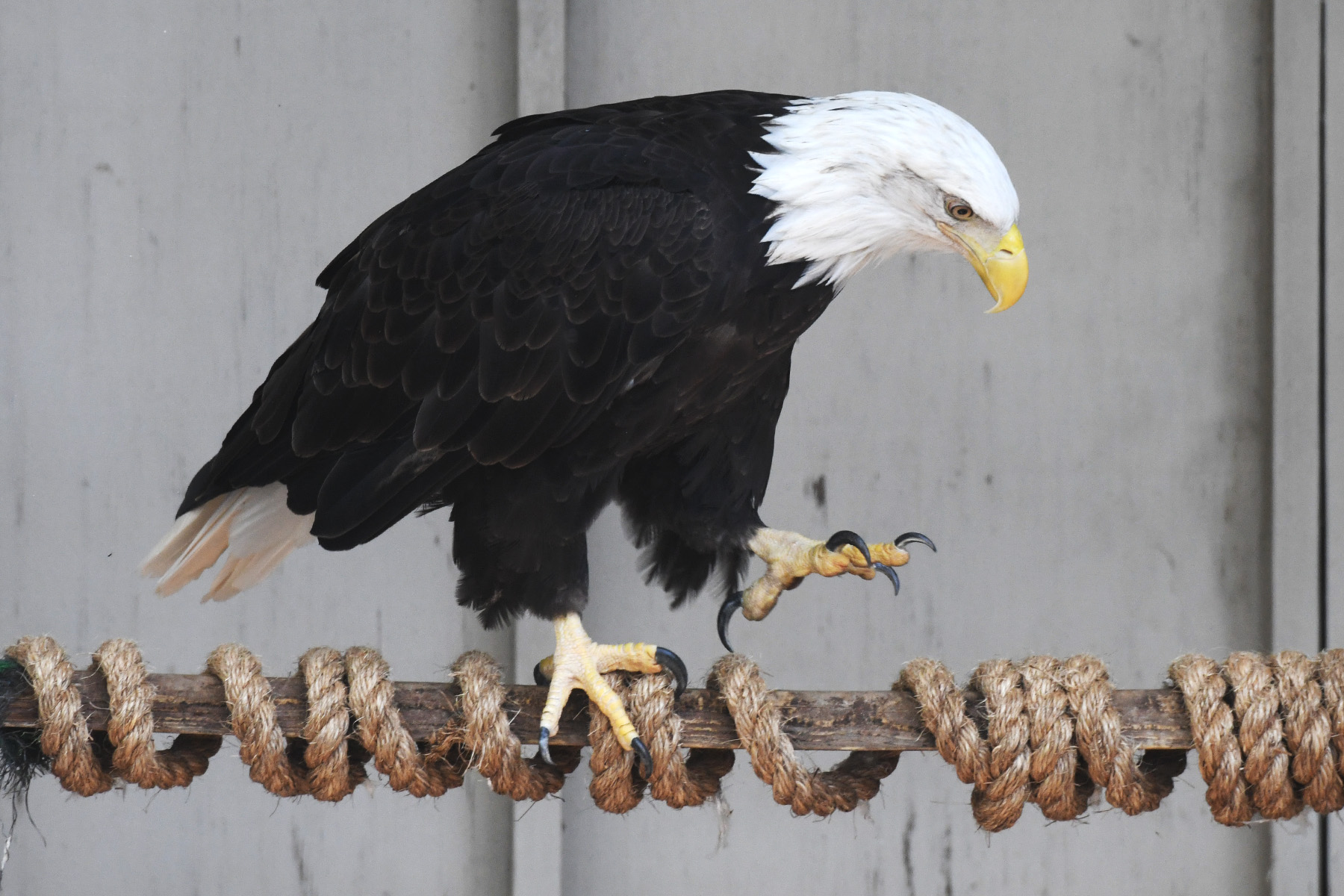
The bald eagle's numbers tell a story of transformation. In 2007, Connecticut had just 15 active bald eagle territories. By 2022, that number had reached 82 territories that produced 101 chicks. The species was driven to the brink of extinction in the 1960s by a combination of habitat loss, illegal hunting, and exposure to DDT, the pesticide that weakened eggshells and caused nesting failures. The federal ban on DDT, coupled with habitat protections like nesting buffers and seasonal trail closures during breeding season, created the conditions for recovery. Connecticut first classified the bald eagle as endangered in 1992 on its inaugural list, then downgraded it to threatened in 2010 as nesting pairs increased. The latest reclassification reflects a species that has stabilized.
"The bald eagle has been quite a nice success story, not just in Connecticut but nationwide," said Robin Blum, a wildlife biologist and supervisor of the state's Natural Diversity Data Base. The peregrine falcon's recovery is equally striking, though it took a more circuitous path. Connecticut did not participate in the reintroduction efforts undertaken on the East Coast after 1975, but it benefited when falcon pairs produced chicks that flew back across state lines. The birds nesting atop the Hartford skyscraper carried leg bands indicating they had originated from a recovery project in New York.
Yet the update also reflects conservation challenges. The saltmarsh sparrow, a coastal bird whose habitat has been eroded by development and rising seas, will move from special concern to threatened status. Five species are being newly listed as endangered, including the Atlantic Coast leopard frog—a species only confirmed as distinct and documented in Connecticut within the past decade—and four plant species: shortawn foxtail, Polygala nuttallii, narrowleaf vervain, and dragon's mouth orchid.
In total, the proposed changes affect roughly 100 species, half involving reclassification and half addressing scientific name updates. The state reviews its endangered species list every five years, and this overhaul represents Connecticut's careful attention to shifting populations and the environments they depend on. Robin Blum summed up the challenge for declining species in a single observation: "They're just running out of places to nest successfully." The update acknowledges both what humans have learned to protect and what remains fragile.