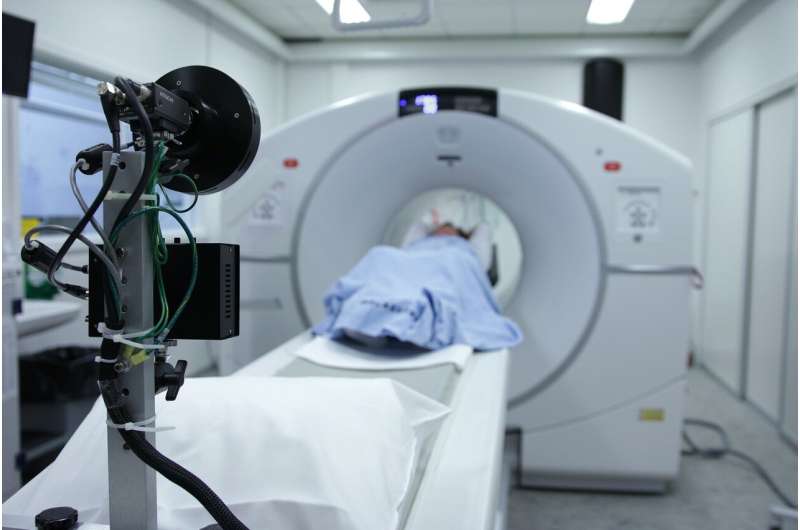
Tamara G. Fong's research team uncovered a troubling oversight: 37 percent of clinical research studies using amyloid positron emission tomography scans have no system in place to check whether participants have already absorbed dangerous levels of radiation from prior medical procedures. The discovery, published in the Ochsner Journal, reveals a significant gap in how researchers protect older adults volunteering for brain imaging studies that may not directly benefit them.
The concern is urgent because radiation exposure accumulates over a lifetime. Unlike diagnostic imaging that directly treats a patient's condition, research-related radiation carries risk without the promise of personal medical benefit—yet this distinction rarely shapes how much cumulative exposure researchers allow. Older adults face particular vulnerability: decades of CT scans, X-rays, and other diagnostic procedures have already built up their lifetime radiation burden, making them susceptible to exceeding safe thresholds when they enroll in new imaging studies.
To measure the scope of the problem, Fong's team at the Hinda and Arthur Marcus Institute for Aging Research reviewed 92 clinical trials listed on ClinicalTrials.gov that included amyloid PET imaging. Only 1 percent of these studies had established specific radiation exposure limits as exclusion criteria—a stark indication that most researchers simply hadn't formalized safety guardrails. Nearly four in ten studies reported zero screening for prior radiation exposure at all.
The team then developed a practical screening protocol and tested it within the Successful Aging after Elective Surgery study, a long-term investigation of adults aged 70 and above. When applied to 101 prospective participants, the screening procedure identified a striking finding: nearly 1 in 5 volunteers—17 percent—had already received enough radiation to disqualify them from the amyloid PET component of the research. These older adults, through no fault of their own, had accumulated doses that made additional research imaging unsafe.
"When used for research purposes, the risks of additional exposure to radiation need to be carefully considered, particularly for research studies that may not directly benefit the participant," Fong said, underscoring the ethical distinction between treating a patient and enrolling them in a study.
The research arrives at a pivotal moment. Recent FDA approvals of new Alzheimer's treatments have spurred rapid expansion of amyloid PET imaging in clinical care and research. As brain imaging becomes routine, the cumulative dose question grows more urgent. Fong and her colleagues are not calling for an end to research imaging, but rather a standardized approach to tracking lifelong radiation exposure—one that ensures volunteers, especially older adults, understand the true risk they're accepting.
By developing and sharing their screening protocol, the researchers have provided other investigators with a replicable model they can adapt immediately. The message is clear: protecting research participant safety requires not just a single scan's risk, but a clear-eyed accounting of the full radiation landscape each person brings to the study enrollment table.