Goalkeeper Alan Rough remembers a stretch limousine rolling down Sunset Boulevard with winger Charlie Nicholas hanging out the sunroof, phone in hand, shouting hello to his maw back in Maryhill—and that perfectly captures Scotland's unforgettable run to the 1986 World Cup in Mexico.
The campaign itself was a whirlwind of drama both on and off the pitch, a collision of sporting ambition and tabloid theatre that still feels improbable decades later. Manager Jock Stein died in the dressing room moments after Scotland drew 1-1 with Wales in the qualification play-off, just before the match clinched their place in Mexico. His replacement was none other than Sir Alex Ferguson, stepping up as a manager who would go on to become one of the greatest the game has ever seen. The squad itself read like a who's who of British football's powerhouses: player-managers from Rangers and Liverpool, three future national team bosses assigned to coaching duties, and even Steve Archibald, a striker fresh from European Cup finalists Barcelona, who was added late to the squad.
Before the finals, the Scottish contingent descended on Los Angeles for an altitude training camp, and it was there that legend took flight. Winger Eamonn Bannon scored twice in a friendly against local outfit LA Heat, but the real headline belonged to an encounter with Rod Stewart. The details vary depending on who's telling the story—some say Ferguson granted the players a night off with strict conditions, others claim only a select few made it out—but Rough's account is crystalline. Stewart met the squad at a restaurant and began making mudslingers; within an hour, they were all half-cut. The singer then vanished, leaving the players to pile into a stretch limousine for the drive home, where Nicholas seized the moment for his unforgettable roadside phone call.
The squad arrived in Mexico as the last team to touch down, only to discover their accommodation was nestled within an Aztec heritage site. Miller described it as "a wee bit more spartan" than expected; Bannon recalled rooms that felt like "little caves with a tiny window." But the odd surroundings couldn't dampen the hunger heading into their opening match against Denmark.
Yet there was tension simmering beneath the surface. Kenny Dalglish, Scotland's most-capped player at 35, withdrew with a knee injury just before the finals—a decision that some observers linked to the earlier exclusion of his Liverpool teammate Alan Hansen, who had won the English double but failed to make the final 22. Striker David Speedie, whose intoxicated antics on the flight home from Australia had included passing out from sunstroke and requiring an on-camera BBC interview with David Coleman, was also left out. Even Archibald's late addition rankled some in the squad, with striker tensions spilling into team meetings.
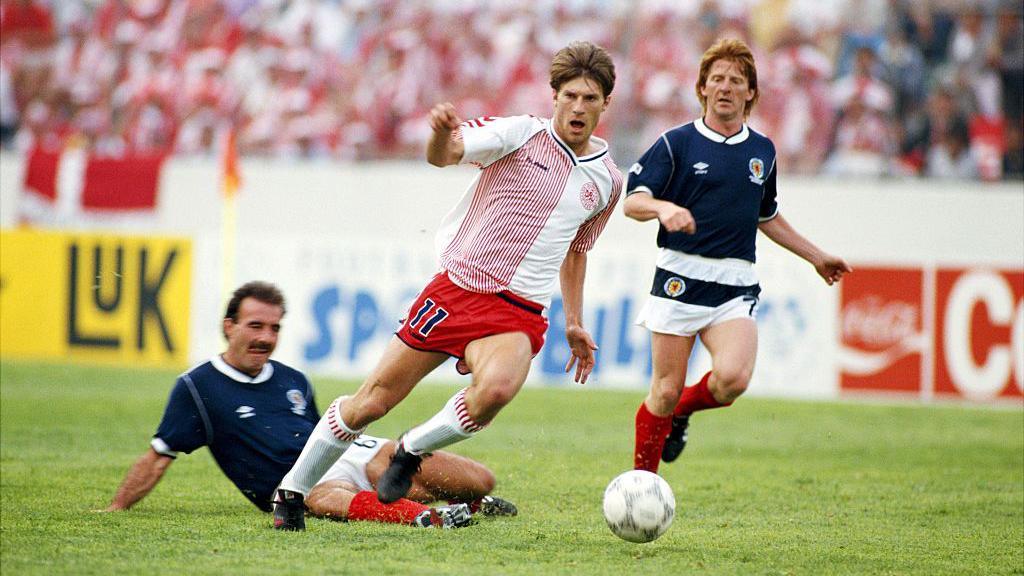
When the whistle finally blew against Denmark, Scotland's profligacy proved costly. Despite controlling periods of play, a goal from Preben Elkjaer Larsen handed the Danes victory—a sobering end to a campaign that had promised so much intrigue and colour off the pitch. It was a reminder that no amount of celebrity encounters or colourful backstories can substitute for precision in front of goal when the real matches begin.