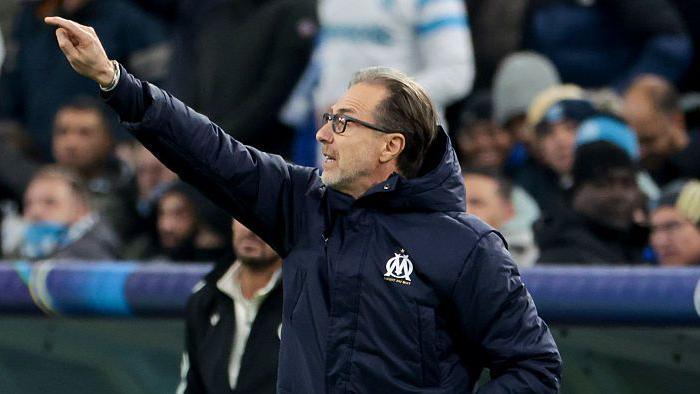
Andrea Maldera stood on the pitch at NSC Olimpiyskiy in Kyiv, the weight of a nation’s hopes settling not on the shoulders of a returning hero, but on those of an Italian with a Ukrainian heart. Appointed as the new head coach of Ukraine’s national football team, Maldera steps into uncharted territory—not just as the first foreign manager in the role, but as a man who already knows the soul of the squad he now leads. His appointment marks a quiet revolution in Ukrainian football, one rooted not in spectacle, but in deep familiarity and trust.
For five years, from 2016 to 2021, Maldera stood beside Andriy Shevchenko, Ukraine’s legendary striker and now president of the Ukrainian Football Association, as his assistant coach. During that time, the duo guided the team through Euro 2020 and rebuilt its identity with discipline, tactical intelligence, and unity. Now, with Shevchenko in leadership and Maldera at the helm, it’s a reunion built on shared history and unmet ambition. The team’s failure to qualify for the 2026 World Cup under Serhiy Rebrov cast a shadow, but Maldera’s appointment signals a return to a proven formula—one that values cohesion over flash.
Maldera’s path to Kyiv passed through some of Europe’s most progressive clubs. He followed Roberto De Zerbi to Brighton & Hove Albion, where their possession-based style earned admiration across the Premier League, and later to Marseille, where they brought structure and attacking flair to Ligue 1. His fingerprints are on teams known for their identity and resilience—qualities Ukraine will need as they rebuild. At 47, Maldera is not just stepping into his first senior head coaching role; he’s stepping into a moment of national significance, where football offers more than sport—it offers continuity, pride, and a sense of normalcy amid ongoing challenges.
"Andrea Maldera is an Italian with a Ukrainian soul," said Shevchenko, a line that captures the emotional core of this appointment. It’s rare for a foreign coach to be welcomed not as an outsider, but as a returning son. Maldera’s understanding of the players, the culture, and the expectations is not theoretical—it’s forged through years of shared effort. He knows the language, the rhythms of the locker room, and the weight of wearing the blue and yellow.
As Ukraine prepares for the Euro 2024 qualifiers and looks ahead to future tournaments, Maldera brings not just tactical expertise, but a promise of stability. His appointment isn’t about reinvention—it’s about remembrance. Remembering what worked. Remembering who they are. And in a country where every institution carries the burden of resilience, football, under Maldera, may yet become a quiet beacon of hope.