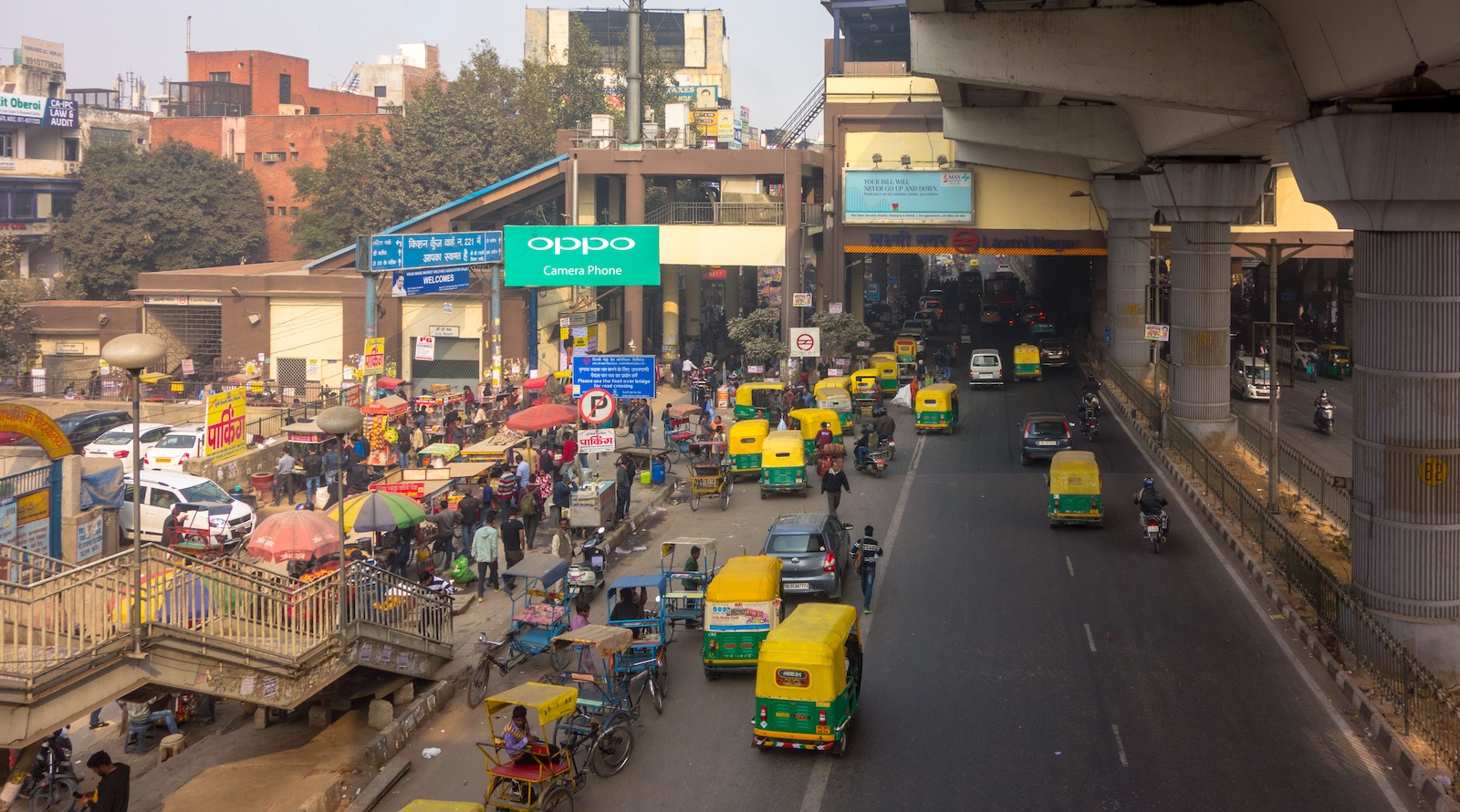
Smog hangs over Delhi so thick that schools sometimes close and people wear masks just to walk outside. The city is one of the most polluted on Earth, and for years, incentives to buy electric vehicles have helped — but not enough. So Delhi just made a bold move that could change everything.
On July 1, 2026, the city launched EV Policy 2.0. Unlike the old approach of simply offering money to buyers, this new plan includes firm requirements. Starting January 1, 2027, only electric three-wheelers and commercial trucks can be registered as new vehicles in Delhi. By April 1, 2028, every new scooter or motorcycle must also run on electricity. No more new gas-powered two-wheelers will be allowed.
This marks a major shift from Delhi's first electric vehicle policy, approved in December 2019. That earlier plan aimed to get 25 percent of new vehicle registrations to be electric by 2024, using mostly subsidies and tax breaks. By June 2026, only 8.65 percent of two-wheelers and 10.1 percent of four-wheelers sold were electric — respectable progress, but far below the target.
Now, Delhi is keeping the money incentives but adding stick to the carrot. Electric two-wheelers qualify for a ₹30,000 subsidy in the first year, dropping to ₹20,000 in the second year and ₹10,000 in the third. Electric three-wheelers get ₹50,000 the first year, then ₹40,000, then ₹30,000. Commercial trucks can receive ₹100,000 in the first year. On top of that, people who scrap older, polluting vehicles — specifically BS-IV standard or older — while buying an electric car get an extra ₹100,000, and those buying an electric two-wheeler get an extra ₹10,000. Road taxes and registration fees are fully waived for electric four-wheelers priced at ₹30 lakh or less.
The city is also pushing to electrify school buses, requiring 10 percent of school bus fleets to go electric within two years, with that share expected to grow.
Delhi's leaders say the goal is not just to encourage electric vehicles but to fundamentally reshape how people get around. The city has a responsibility to protect its residents from air pollution that shortens lives and sickens children.
If Delhi pulls this off, it could become a model for other polluted cities around the world. The challenge is real — charging infrastructure needs to expand quickly, and habits need to change — but the direction is clear. The era of new gas-powered vehicle registrations in Delhi is ending, one policy at a time.