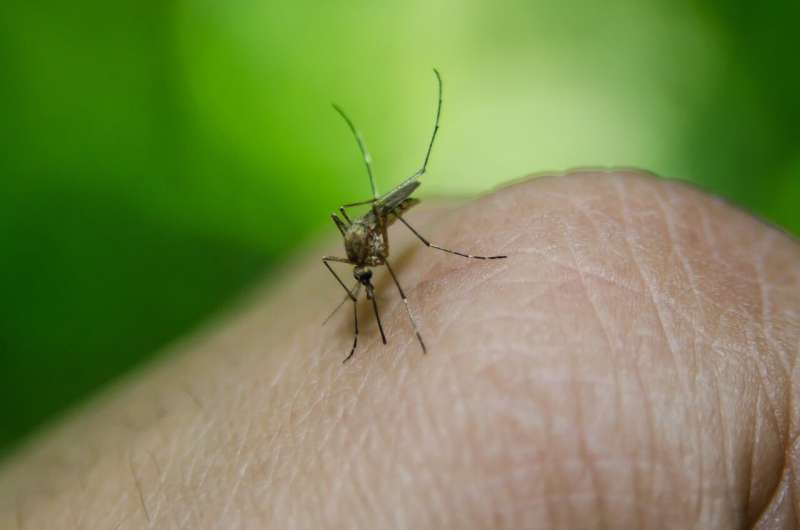
A dengue vaccine is finally offering European travelers real reassurance. TAK-003, the first dengue vaccine authorized in Europe, showed a favorable safety profile across 1,028 travelers vaccinated in Catalonia throughout 2024, according to new findings published in The Lancet Regional Health Europe.
This matters because dengue has become one of the leading causes of fever among people traveling to endemic regions. The virus is transmitted by Aedes mosquitoes and has spread to more than 100 countries, putting more than half the world's population at risk of infection. In recent decades, the disease has surged due to the geographical spread of mosquito vectors—driven in part by climate change—combined with increased international travel that accelerates the virus's global circulation. Until now, safety data for the TAK-003 vaccine in non-endemic populations remained limited, especially for older adults and people with pre-existing medical conditions.
The Barcelona Institute for Global Health, working with Hospital Clínic Barcelona, conducted a pharmacovigilance study across eight travel health centers to fill that gap. Researchers led by Daniel Camprubí-Ferrer tracked participants through follow-up after each dose, recording any adverse effects and analyzing whether factors like age, sex, previous dengue infection, or co-administered vaccines increased the risk of reactions.
The results are encouraging: no serious adverse events were recorded among the 1,851 doses administered. While more than half of participants reported some adverse effect, these were overwhelmingly mild or moderate, temporary, and notably decreased after the second dose. The most common symptoms were pain at the injection site, headache, fatigue, and general malaise—typical responses to vaccination.
The study did identify specific groups with slightly higher risks. Women experienced more local reactions at the injection site, while people with a previous dengue infection and those who received concomitant yellow fever vaccines reported predominantly systemic effects like fever. Importantly, researchers found no increased reactogenicity in people over 60 years of age or in those with comorbidities—groups for which robust safety evidence had been sparse until now. The vaccine also showed no increased adverse events when administered alongside nonflaviviral vaccines, supporting its use in routine pretravel consultations.
"Our findings expand the available evidence on the safety of TAK-003 in European travelers and highlight the need to continue assessing its impact, effectiveness and long-term safety," said Jose Muñoz, head of the International Health Service at Hospital Clínic Barcelona. As dengue continues to spread globally, this real-world data provides travelers—and the healthcare providers advising them—with confidence in a vaccine that could meaningfully reduce disease burden for millions of people heading to at-risk regions.