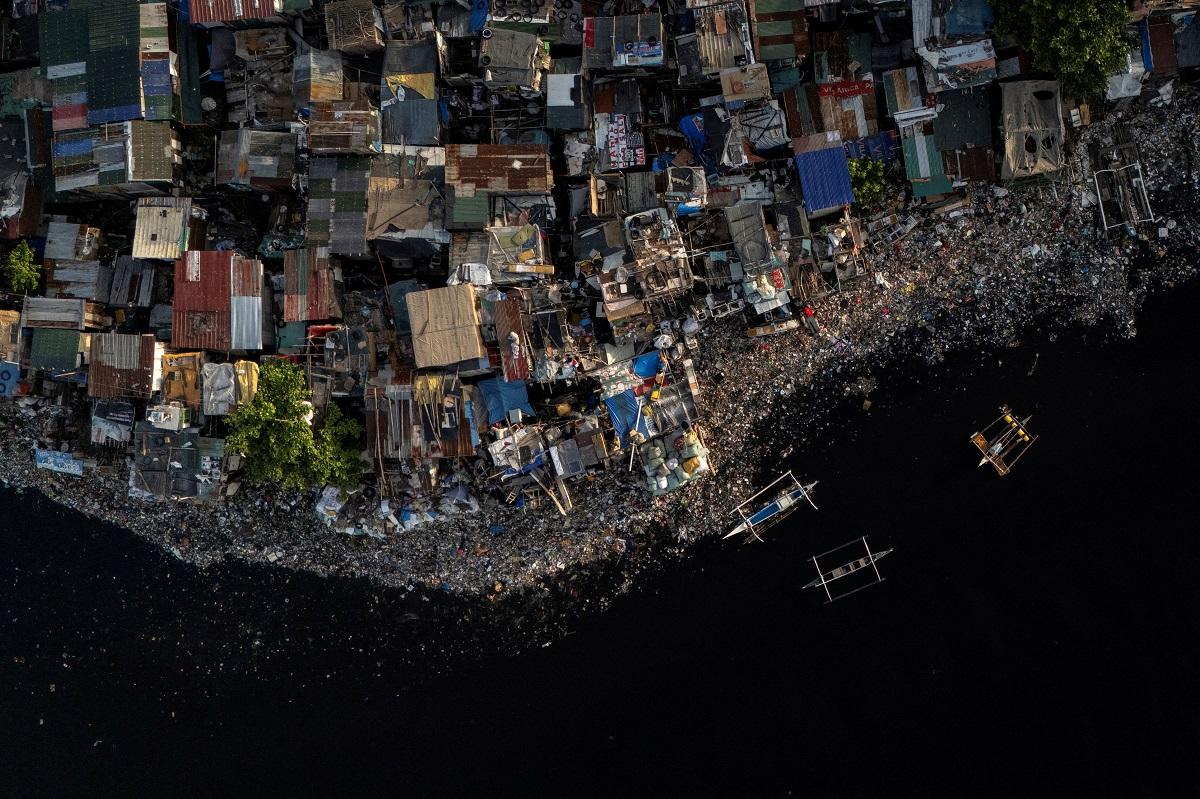
The Pasig River, choked by decades of plastic waste, is about to get a powerful ally: Dutch engineers equipped with technology designed to intercept trash before it reaches Manila Bay. This week, the Philippine Department of Environment and Natural Resources and The Ocean Cleanup, a Netherlands-based nonprofit, signed a five-year partnership that marks a decisive shift from cleanup rhetoric to actionable intervention.
The agreement represents far more than a feel-good gesture. The Pasig River System has become a symbol of Southeast Asia's plastic crisis, and the collaboration tackles the problem with both regulatory muscle and technological innovation. DENR Secretary Juan Miguel Cuna framed it clearly: the partnership combines enforcement of the Extended Producer Responsibility Act—which requires large firms to recover and recycle the plastic packaging they generate—with the deployment of large-scale waste interception systems that physically trap floating debris before it flows into the ocean.
The Ocean Cleanup brings formidable credentials to this endeavor. As of April 2026, the organization has deployed 21 Interceptor systems across 10 countries and collected more than 52 million kilograms of waste from aquatic environments. Boyan Slat, the organization's founder and CEO, emphasizes that the work requires more than technology: "Plastic pollution is a global problem that requires strong local partnerships to solve." The Manila Bay Region, including the Pasig River System, has been identified as a priority zone under The Ocean Cleanup's 30 Cities Program, which aims to scale interceptor technology across major cities in Asia and the Americas.
Preparations are already in motion. The Ocean Cleanup has surveyed nearly 100 sites along potential deployment zones and is coordinating with government officials to identify priority locations. The organization is set to install its first Interceptor barrier in the Meycauayan River in Bulacan while continuing assessments along the Pasig River itself. The initiative also has corporate backing—Energies PH is supporting the work—underscoring how science, government, business, and communities can align around a shared environmental goal.
What makes this partnership distinctive is its focus on knowledge transfer and long-term sustainability. Over the five years ahead, The Ocean Cleanup will prioritize training the Pasig River Coordinating and Management Office under the DENR's National Capital Region division. This ensures that local authorities can independently operate and maintain cleanup systems once international support concludes, building local capacity rather than creating dependency.
DENR Secretary Cuna's statement captures the stakes plainly: "The Pasig River has carried the burden of our consumption habits for far too long. We cannot allow this river to remain a pipeline of plastic to the ocean." For residents of Metro Manila and the millions who depend on waterways that feed into Manila Bay, this agreement signals that one of the world's most visible symbols of river pollution may finally be turning a corner. The partnership combines the accountability mechanisms needed to reduce plastic production at source with the technological firepower to remove waste already in the water—a two-fronted approach that offers genuine hope for river rehabilitation.