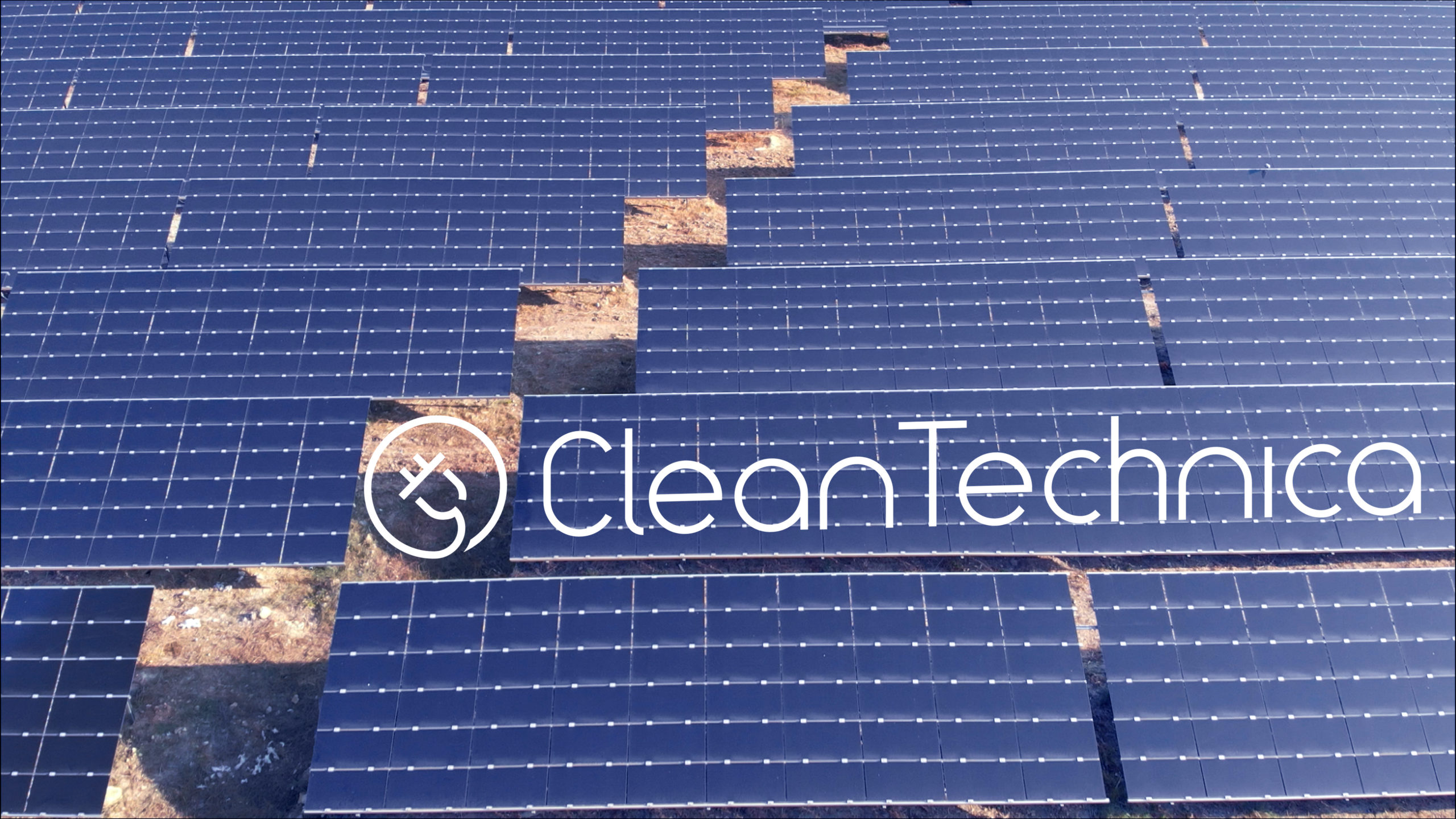
For the first time in American history, solar energy outperformed coal as an electricity source in May 2026—a milestone that arrived not in spite of headwinds, but seemingly against all odds. The achievement marks a fundamental shift in how the nation powers itself, even as the Trump administration has spent months and hundreds of millions in taxpayer dollars attempting to reverse the renewable energy revolution.
Since returning to office, the Trump administration has waged a sustained campaign against clean energy. Federal grants for renewable projects have been slashed. Stop work orders have halted wind installations mid-project. Most dramatically, the administration handed over more than $700 million in taxpayer money to energy companies willing to abandon renewable ventures and commit instead to coal operations. Yet despite these aggressive interventions, the market forces reshaping American energy proved stronger than policy barriers.
The May 2026 milestone reflects a longer trend now visible globally. In the first half of 2025, renewable energy already overtook coal as the world's largest source of electricity. Solar has become the cheapest energy source available, undercutting fossil fuels on price alone. The technology has also proven remarkably resilient during the extreme weather events that increasingly disrupt traditional power grids—solar systems continue generating electricity through conditions that leave coal plants vulnerable and offline.
Patrick Drupp, Climate Policy Director at the Sierra Club, framed the moment as a reckoning between reality and political ideology. "No matter how much Donald Trump tries to use our tax dollars to resurrect unpopular, expensive, and deadly coal plants, there is no coal renaissance in the United States," he said. "Despite all of his administration's relentless attacks on renewable energy, solar is still outperforming coal in capacity, reliability, and cost. It's time for Donald Trump to abandon his coal delusions and read the writing on the wall that Americans want—and deserve—clean, affordable, renewable energy."
The numbers tell a story that markets respond to faster than policies can redirect them. Solar energy's path to affordability and scale has been driven by technological innovation, manufacturing efficiency, and competitive investment. Those forces continue to operate independently of federal support levels. Investors have already made their calculations: renewables offer better returns and lower long-term risks than aging coal infrastructure. American consumers increasingly prefer the stability of solar and wind costs over the volatility of fossil fuel markets.
What makes May 2026 significant is not merely a single month of data, but what it signals about trajectory. When a renewable energy source surpasses coal—the fuel that powered the industrial age and has anchored American energy policy for over a century—it suggests the transition is becoming structural rather than aspirational. This is the kind of shift that typically accelerates once it begins, as supply chains adapt, investors flow toward winners, and cost advantages compound.
The tension between the Trump administration's coal-rescue efforts and solar's continued ascendance reflects a deeper question: can policy reverse the economics of energy transformation, or merely slow it? May 2026 suggests the answer. Even with hundreds of millions in subsidies and explicit policy hostility toward renewable energy, solar continues to gain ground. That's not a delusion. That's the market reading the room.