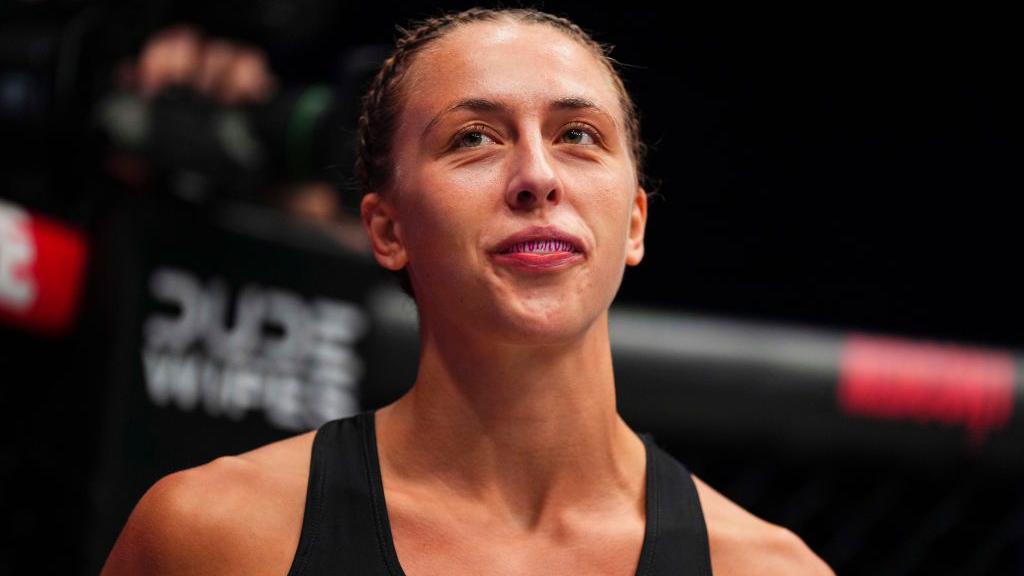
Dakota Ditcheva has waited long enough. After 12 months sidelined by injury — a broken hand suffered during her knockout victory over Sumiko Inaba in July 2025, followed by another hand injury that postponed her comeback fight — Britain's most exciting young fighter is finally ready to step back into the cage. On 31 July, she'll face Dutch flyweight Denise Kielholtz at PFL New York on Long Island, in what marks her return to competition after more than a year away.
The stakes feel significant not just for Ditcheva, but for British combat sports. At 27 years old, the unbeaten professional has already rewritten the history books: she won the PFL's 2024 flyweight tournament to become the first British woman to hold an MMA world title. That achievement came on the back of an extraordinary record — 15 professional fights without a loss, 12 of them won by knockout. Few fighters move through the sport with such combination of dominance and explosive finishing power. The injuries that sidelined her were frustrating, but they haven't diminished the narrative momentum she'd built before stepping away.
Kielholtz, at 37, brings a different kind of pedigree to the bout. The Dutch fighter is a former kickboxing world champion, a credential that speaks to technical precision and hand speed. In MMA, she's won nine of her 14 fights, which means this contest has been carefully matched — a respectful comeback opponent for Ditcheva, but one with genuine championship-level striking experience. The fight sits on the undercard of a significant event: Usman Nurmagomedov will defend his lightweight title against Archie Colgan at UBS Arena, the kind of headline bout that draws serious attention to the entire card.
What makes Ditcheva's return particularly resonant is the human element beneath the numbers. Hand injuries are brutal for fighters — they're recurring, unpredictable, and psychologically taxing. To suffer not one but two, with months of uncertainty about whether a comeback would even be possible, tests something deeper than physical conditioning. Yet she's chosen to return rather than fade away. That decision, made quietly without much fanfare, speaks to a competitor who believes in herself.
The flyweight division has been one of MMA's most dynamic weight classes in recent years, and Ditcheva enters it not as a prospect trying to prove herself, but as a tournament champion with a genuine claim to being among the best in the world. Her 12 knockouts from 15 fights is the kind of finishing rate that changes how opponents approach facing her — they know they're never more than one mistake away from the canvas. Kielholtz will need to manage distance carefully and lean on her kickboxing fundamentals.
For British MMA fans, Ditcheva's return represents the continuation of a breakthrough moment. Female fighters from Britain have been making international waves, but world-title-holding champions are rare. If Ditcheva can move past Kielholtz successfully, she'll position herself to reclaim the narrative arc that injury interrupted — and to remind the world why she earned that historic PFL crown in the first place.