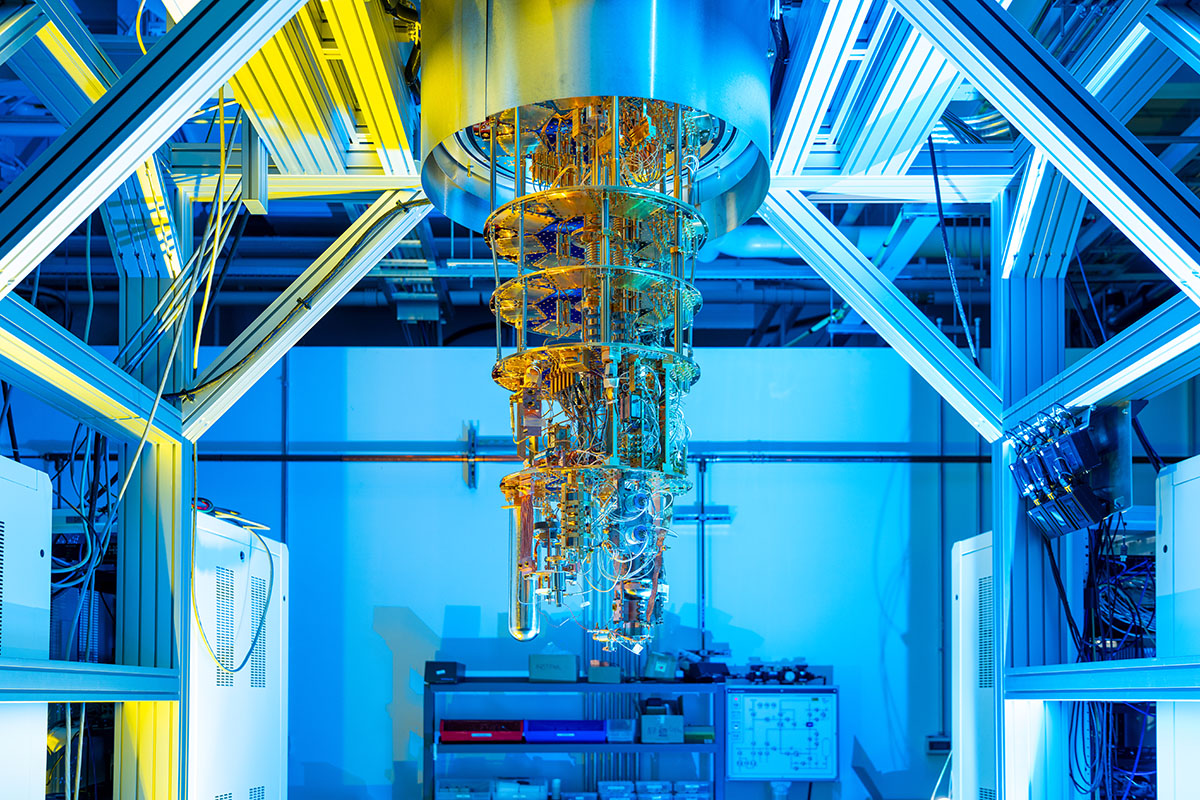
Anna Grassellino was up late one night in Batavia, Illinois, fine-tuning a quantum circuit that could one day simulate the birth of the universe. As chief technology officer at Fermilab, she’s not just dreaming about that future—she’s helping build it. Last week, the U.S. Department of Energy released a bold national roadmap for quantum computing, setting a 2028 deadline to deliver a scientific, error-corrected quantum computer. This isn’t about faster internet or flashier gadgets. It’s about solving problems too complex for any existing machine—like designing life-saving drugs, creating clean energy catalysts, or unlocking the physics of black holes.
The plan, called the "SCAC Quantum Committee Report: Path to an Integrated Quantum Future," was shaped by over 200 experts from national labs, universities, tech companies, and federal agencies. Grassellino chaired the effort, with Supratik Guha of the University of Chicago as vice chair. Together, they pushed past the usual race to build bigger quantum chips. Instead, they asked: How can quantum computers actually help scientists discover something new?
The roadmap breaks the journey into three phases. From now until 2028, the U.S. will launch Quantum Grand Challenges—competitive projects that pair labs, universities, and industry to hit specific scientific goals. These aren’t just engineering tests; they’re real-world missions, like simulating fusion materials or predicting molecular behavior for medicine. After that comes the DOE Quantum Computing User Facility, a first-of-its-kind open lab where scientists and engineers co-design every part of the machine, from software to control systems. By 2030, the vision is even bigger: quantum systems woven into the nation’s supercomputers and AI networks, working side by side to accelerate discovery.
What makes this plan different is its focus on collaboration. The report stresses that breakthroughs happen when quantum engineers sit next to chemists, physicists, and materials scientists. To make that real, the Department of Energy is exploring joint appointments, shared research teams, and co-design fellowships—breaking down the walls between disciplines and institutions.
The stakes are high. Other nations are racing to claim quantum advantage, but the U.S. aims to lead not just in power, but in purpose. This roadmap doesn’t just map out a machine—it maps out a future where quantum computing serves science, not just speed. And with Fermilab, Argonne, Oak Ridge, and dozens of partners on board, that future is already taking shape.