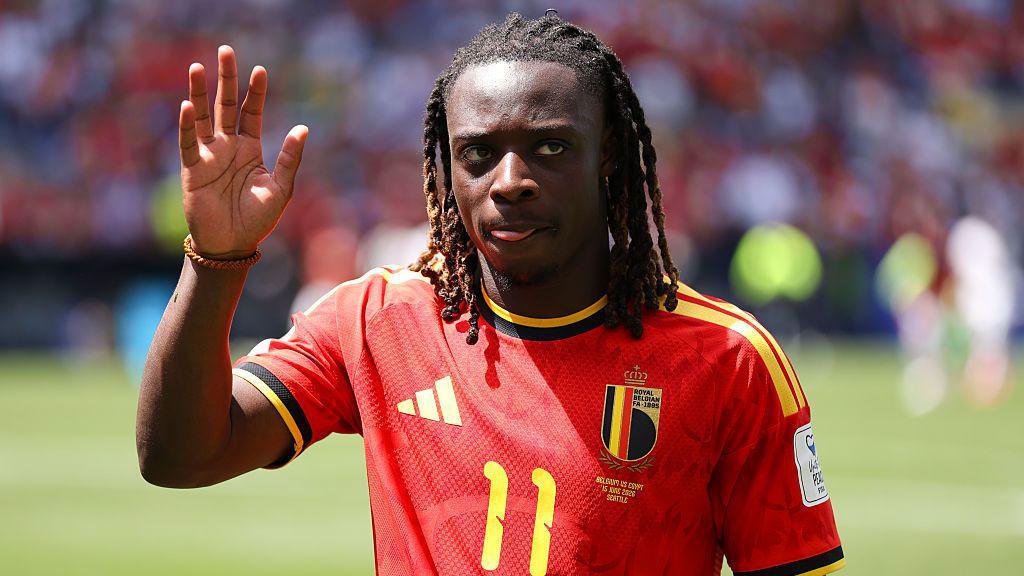
Jeremy Doku wasn’t on the pitch for Belgium’s tense 0-0 draw against Iran, but he was scoring a quiet victory of a different kind—holding his newborn son Praise in a London hospital room. The 24-year-old winger, who played 86 minutes in Belgium’s opening 1-1 draw with Egypt, quietly left the World Cup camp in Seattle to be present for the birth of his first child, returning days later with the full support of the Belgian Football Federation and a growing chorus of voices affirming that some moments transcend sport. "If you ask me what I want, my answer is that nobody wants to miss the birth of their first child," Doku told Reuters—a sentiment echoing far beyond the locker room.
In a world where athletes are often expected to prioritize performance over personal life, Doku’s choice has reignited a conversation about what it means to support players as whole human beings. The Professional Footballers’ Association weighed in, stating that players should be supported in balancing professional duties with “important life events,” while the Fatherhood Institute likened the pressure on male athletes to ancient gladiators—entertainers expected to sacrifice personal milestones for public spectacle. FIFA mandates 14 weeks of paid maternity leave for female players, but there is no equivalent for fathers, leaving decisions like Doku’s to the discretion of federations and clubs.
Still, precedent exists. In 2018, Fabian Delph left England’s World Cup camp in Russia to be present for his daughter’s birth. David Silva missed two Manchester City matches after his son was born prematurely. David de Gea took extended leave during the pandemic when his partner gave birth in 2021. And while some, like Norway’s Leo Ostigard and Wolves’ Ruben Neves, have watched their children enter the world through phone screens, Doku’s ability to be physically present—thanks to a team doctor accompanying him and the federation’s backing—marks a quiet shift. Even England striker Ollie Watkins, a father of two, defended Doku against criticism: “It only happens once—welcoming your first child to the world—and it is a blessing.”
Thomas Frank, former Brentford manager and now a BBC Sport pundit, put it simply: “Football is the most important of not important things.” As Doku rejoined his squad in Seattle, preparing for Belgium’s match against New Zealand, his brief absence spoke volumes. This wasn’t a story about missing a game—it was about showing up for a life. And in doing so, he reminded us that the most powerful plays don’t always happen on the pitch.