Jessica McCabe was sitting in front of her computer, unable to start. The YouTuber and ADHD advocate knew the task mattered to her, but something inside wouldn't budge—so she reached for her phone instead, and minutes dissolved into hours. The feeling is painfully familiar to millions of neurodivergent people: restless, flat, oddly exhausted despite doing very little. For those with ADHD or autism, this isn't a motivation problem or a personal failing. It's neurobiology.
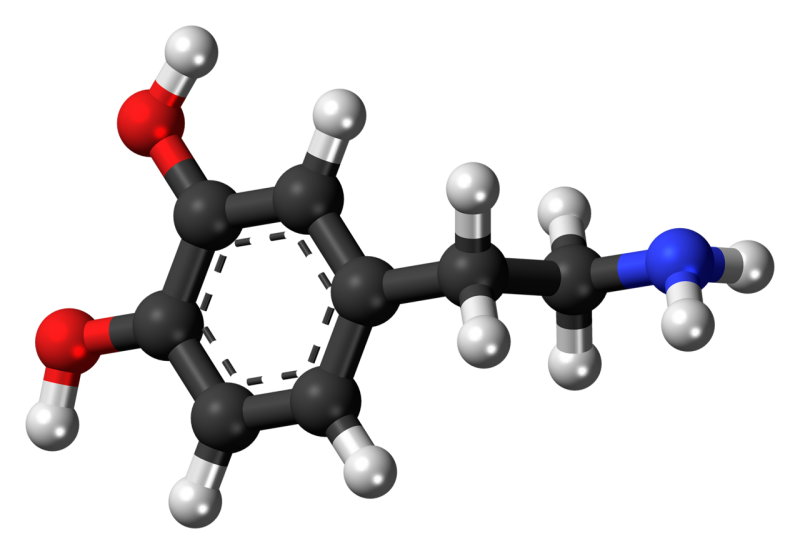
The culprit is dopamine, a brain chemical often oversimplified as the "feel-good" neurotransmitter. In reality, dopamine does far more than create pleasure—it governs motivation, anticipation, the ability to start and sustain tasks, attention, mood regulation, focus, and memory. It's produced in three brain regions: the hypothalamus, substantia nigra, and ventral tegmental area, and also released from the adrenal glands, kidneys, and gastrointestinal tract. When you spend money, eat, drink, or engage in other rewarding activities, dopamine releases in bursts, reinforcing the behavior and motivating repetition.
But neurodivergent brains process dopamine differently. Research shows that people with ADHD typically maintain a lower baseline dopamine level and may process it differently than neurotypical people, creating a greater drive to seek stimulation. In daily life, this manifests as difficulty initiating tasks, reliance on urgency to accomplish anything, or a pull toward highly stimulating activities—patterns often misread as laziness or lack of discipline rather than what they actually are: differences in how the brain regulates motivation and reward. People with ADHD are also significantly more likely to develop addictions to substances, video games, gambling, or the internet, underscoring why tailored support matters far more than simple willpower.
Many people, regardless of neurotype, chase quick dopamine hits through scrolling their phones. These provide temporary relief but often leave people feeling more depleted afterward. In 2020, McCabe introduced a structured alternative: the dopamine menu, a personalized list of activities that deliver small, regular boosts of motivation and pleasure throughout the day. Rather than relying on a narrow set of high-intensity activities, the menu provides a wider range of options for consistent regulation.
McCabe organizes her dopamine menu into sections, though individual menus can be adapted. "Appetizers" are small, quick activities—watering plants, making coffee, lighting a candle—that take minutes. "Meals" are more substantial pursuits requiring longer time commitments: walks, cooking, board games, creative projects. "Sides" are additions that make less enjoyable tasks more palatable, like playing music while doing laundry. By designing a personalized menu in advance, people stuck in the motivation cycle gain a structured way to access activities that feel genuinely rewarding or regulating, rather than simply scrolling by default when their brain demands stimulation.
For neurodivergent people who often feel misunderstood—their neurological differences reframed as character flaws—dopamine menus offer something more than a productivity hack. They offer validation: that the struggle is real, rooted in brain chemistry, and addressable through thoughtful self-knowledge and planning.