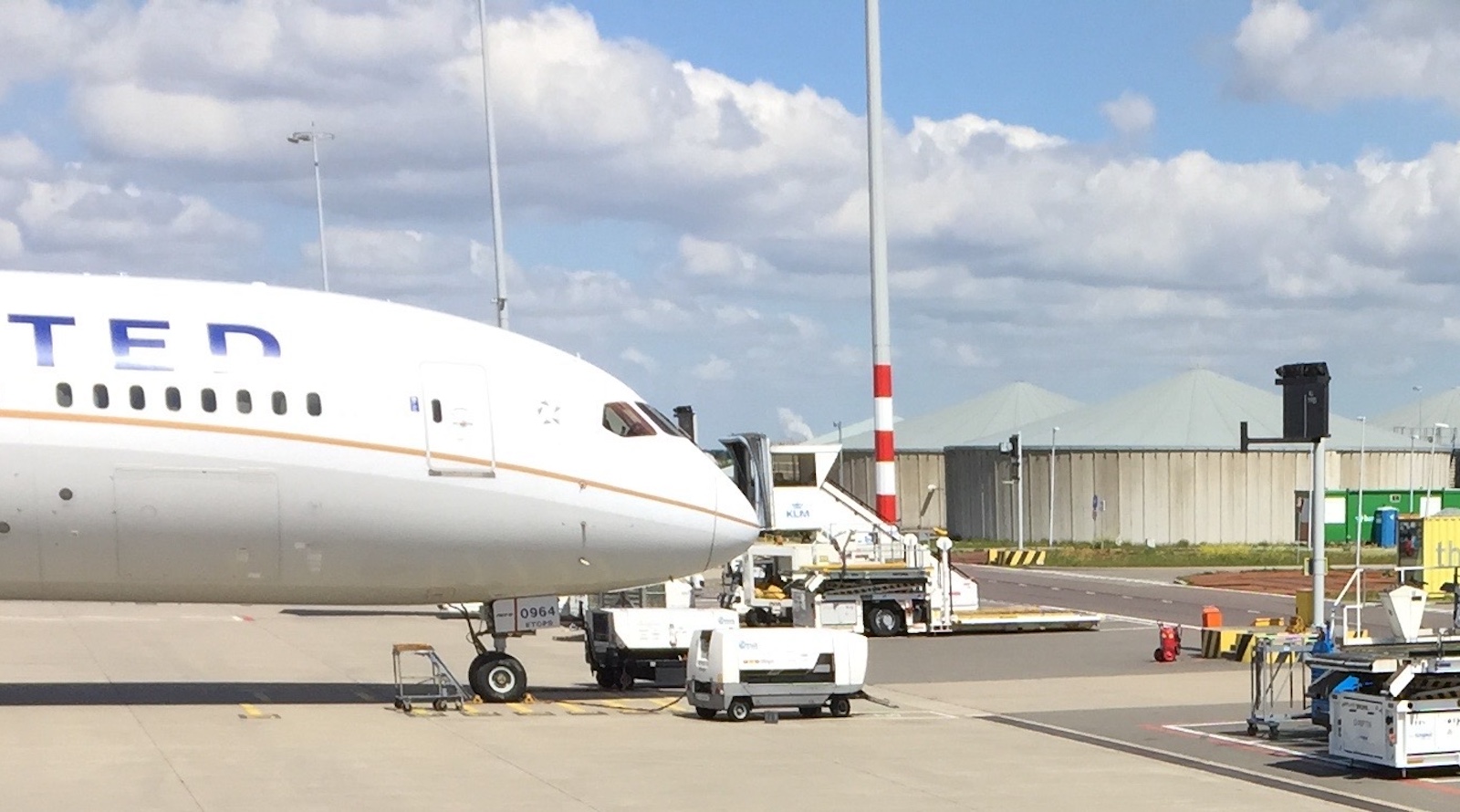
European aviation emissions hit record highs in 2025, even as the continent committed itself to climate neutrality—and the airports that feed those flights may be partly to blame. Transport and Environment (T&E), a Brussels-based advocacy group, has just released a scathing response to the European Union's draft State Aid guidelines, arguing that public funding for regional airports is propping up an industry that refuses to transform.
The core issue is straightforward but damaging: EU rules have allowed governments to funnel endless operating subsidies to underperforming regional airports for far longer than originally intended. The 2014 State Aid guidelines set a ten-year limit on this support, meant to be temporary relief. But in 2023, that exemption was extended another five years, justified by Covid-related recovery needs. Now, with aviation traffic rebounded and emissions soaring, T&E argues there is no longer any justification for the exemption to continue.
"A decade of exemptions has created a system where scarce public resources support uncompetitive businesses," T&E's analysis shows. Rather than use that public money to drive innovation in sustainable aviation, governments have been enabling airports to operate at a loss, insulating them from pressure to compete on quality or invest in zero-emission technologies. The result: airports continue pursuing volume-based growth and competing for routes through subsidies rather than innovation. Meanwhile, European aviation emissions reached record highs in 2025—evidence that the sector has sufficiently recovered and the exemption must end.
T&E's recommendations go further than simply cutting the subsidies. When member states do provide investment aid to airports, the guidelines should impose strict environmental conditionalities. Only airports committed to climate neutrality and sustainable aviation should qualify for public funding. Investment support tied to airport expansion or growth should be discontinued outright. The eligibility criteria themselves are too broad, T&E argues; State Aid should only reach airports that provide undeniable connectivity value that cannot be met through other forms of transport, or those positioned to stimulate genuine sustainable aviation alternatives such as zero-emission aircraft.
The stakes are high because airports are not isolated facilities—they are hubs of community infrastructure, often closely linked to local government and regional identity. That connection gives them power as drivers of change. Airports that lead the transition to sustainable aviation can anchor competitive advantages in new technology development and synthetic aviation fuel. They can strengthen Europe's energy sovereignty while defending the continent's strategic autonomy. But airports that remain locked in the subsidy trap miss that opportunity entirely.
The broader vision T&E is proposing challenges the conventional airport growth model. Rather than measure success by passenger volume and route expansion, airports should pursue quality over quantity, focusing on connectivity that adds genuine societal value while catalyzing the zero-emission technologies of the future. Public funding should accelerate this transition, not delay it. As the draft guidelines move toward finalization, T&E's message is clear: Europe has already chosen climate neutrality as its target. The rules governing airport subsidies must now align with that choice, not contradict it.