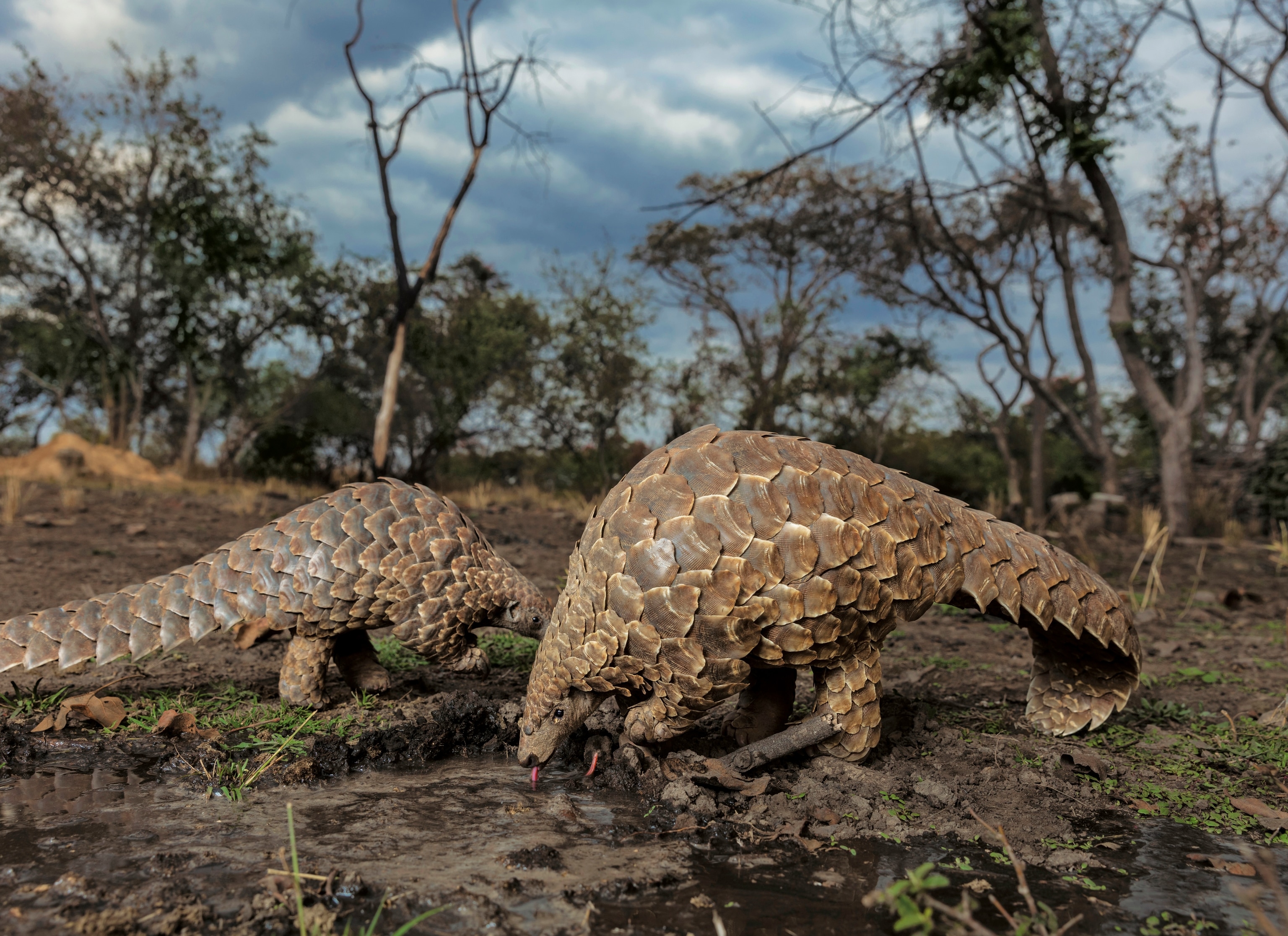
Jon Hernandez was halfway through a five-hour bus ride from Vang Vieng to Luang Prabang when the minivan made an unexpected detour into the jungle. A driver ducked out, returned with a cardboard box, and slid it into the seat next to the Spanish tourist. Hernandez noticed the breathing holes punched into the cardboard, curiosity got the better of him, and when he peeked inside, he found a pangolin—the world's most trafficked mammal—tightly bound in a net. That single decision to search the internet and email Free the Bears, a wildlife nonprofit operating in Laos, would set off a rescue chain that saved the animal's life.
The pangolin Hernandez spotted is one of millions caught in Southeast Asia's illegal wildlife trade every year. These scaly anteaters—often hunted for their scales, used in traditional medicine, and for bushmeat—face extinction in the wild, yet few organizations exist across the region to rescue and rehabilitate the ones seized from traffickers. Free the Bears, which already oversees 150 bears and other wildlife at its Laos facility, is one of the rare exceptions. When Brian Crudge, the nonprofit's Southeast Asia regional director, saw Hernandez's email with the subject line "URGENT – Live pangolin being transported in minivan," he recognized immediately what was at stake. "Pangolins are a critically endangered species," Crudge says, "so it's very important for us to help with rescues if we can."
What makes Hernandez's story remarkable is how common it has become for ordinary people to be the eyes and ears of wildlife protection. Free the Bears receives tips via email and social media from members of the public who witness trafficking. Other organizations operate dedicated hotlines for reporting. Education for Nature-Vietnam, which runs the only such hotline in Vietnam, has fielded thousands of calls since 2021—resulting in the seizure of nearly 52,000 animals across almost 200 species, from otters and slow lorises to sea turtles and tigers. The Lao Conservation Trust for Wildlife operates a similar service covering all of Laos, receiving 99 tips in 2025 alone for 176 individual animals of 81 different species, mostly submitted through WhatsApp or Facebook.
The work, however, is hampered by thin resources and government bureaucracy. In Laos, only about 7.5 percent of the tips the conservation trust receives result in actual seizures, far lower than Vietnam's 60 percent success rate. The organization must even pay per diem fees to Lao officials for their time on wildlife seizures—sometimes exceeding $500 per animal rescued. Yet despite these obstacles, the trust assisted in 99 rescues last year, while gathering crucial data on trafficking trends that shapes future intervention strategies.
Hernandez's alertness and willingness to act proved that individual witnesses have power. His email didn't just save one pangolin—it demonstrated that in a region where millions of animals disappear into illegal trade each year, a single message from someone paying attention can be the difference between death and rehabilitation. As Southeast Asia's wildlife nonprofits work to strengthen their networks and secure more resources, they increasingly depend on people like Hernandez: ordinary travelers and residents who recognize an injustice and refuse to look away.