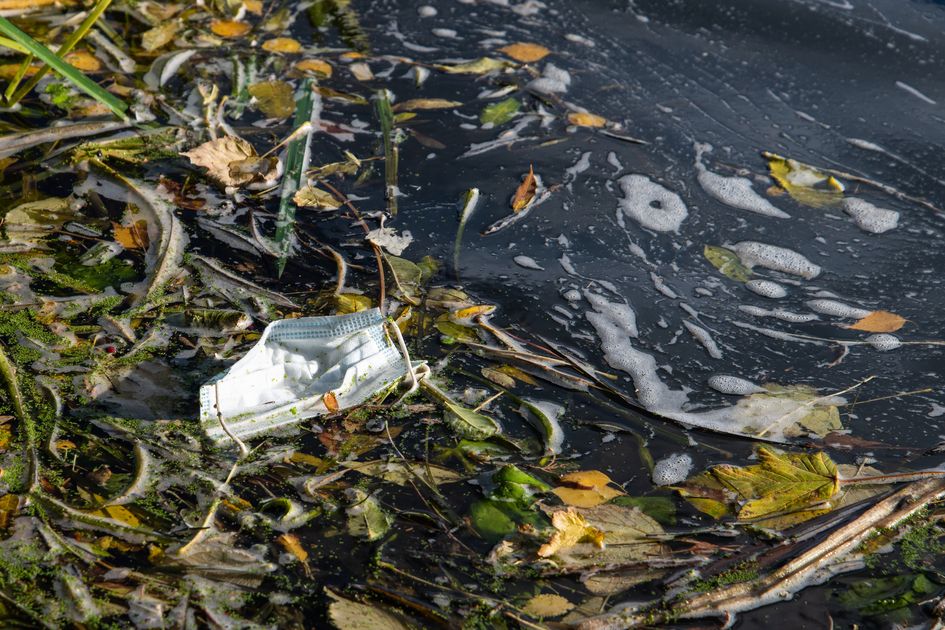
The Ocean Cleanup, a Dutch nonprofit, is racing against time to transform Los Angeles's rivers before the world arrives for the 2028 Olympics. The organization has announced an ambitious expansion of its plastic interception network across the Los Angeles River and San Gabriel River, building on proven success in Ballona Creek. Between 380 and 570 tonnes of plastic waste currently flow from LA's rivers into the Pacific Ocean each year—a scale of pollution that underscores the urgency of the mission.
What makes this project significant is not just its timing, but its approach. Rather than waiting for plastic to reach oceans and beaches where it becomes nearly impossible to recover, The Ocean Cleanup is stopping the problem at its source. The system combines AI-powered monitoring, drone surveillance, and floating interceptor technology to catch waste before it travels downstream. It's prevention as strategy, not merely remediation.
The expansion is part of a much larger vision. The Ocean Cleanup's "30 Cities Program" aims to reduce one-third of all plastic flowing into the world's oceans from rivers by 2030—a deadline that aligns perfectly with the global urgency around ocean health. The organization has already demonstrated its capabilities, having removed more than 50 million kilograms of waste from rivers and oceans through its existing operations worldwide. That track record lends credibility to the Los Angeles effort.
The timing matters enormously. The 2028 Olympics will turn international eyes toward Los Angeles, making it an opportunity to showcase what's possible when cities commit to environmental innovation at scale. But beyond the ceremonial aspect, cleaner rivers mean healthier marine ecosystems and better water quality for the communities that depend on these waterways daily. The initiative signals that sustainability can become woven into a city's infrastructure and identity, not just its Olympic messaging.
What emerges from projects like this is a broader lesson: environmental challenges don't need to feel insurmountable when communities embrace collaboration and long-term thinking. The Ocean Cleanup's work in Los Angeles proves that cities don't have to choose between economic development and environmental stewardship. They can be pursued in tandem, with thoughtful innovation making both possible.
As the countdown to 2028 continues, Los Angeles has an opportunity to show the world that meaningful environmental progress isn't a luxury reserved for someday—it's something achievable now, with the right commitment and technology.