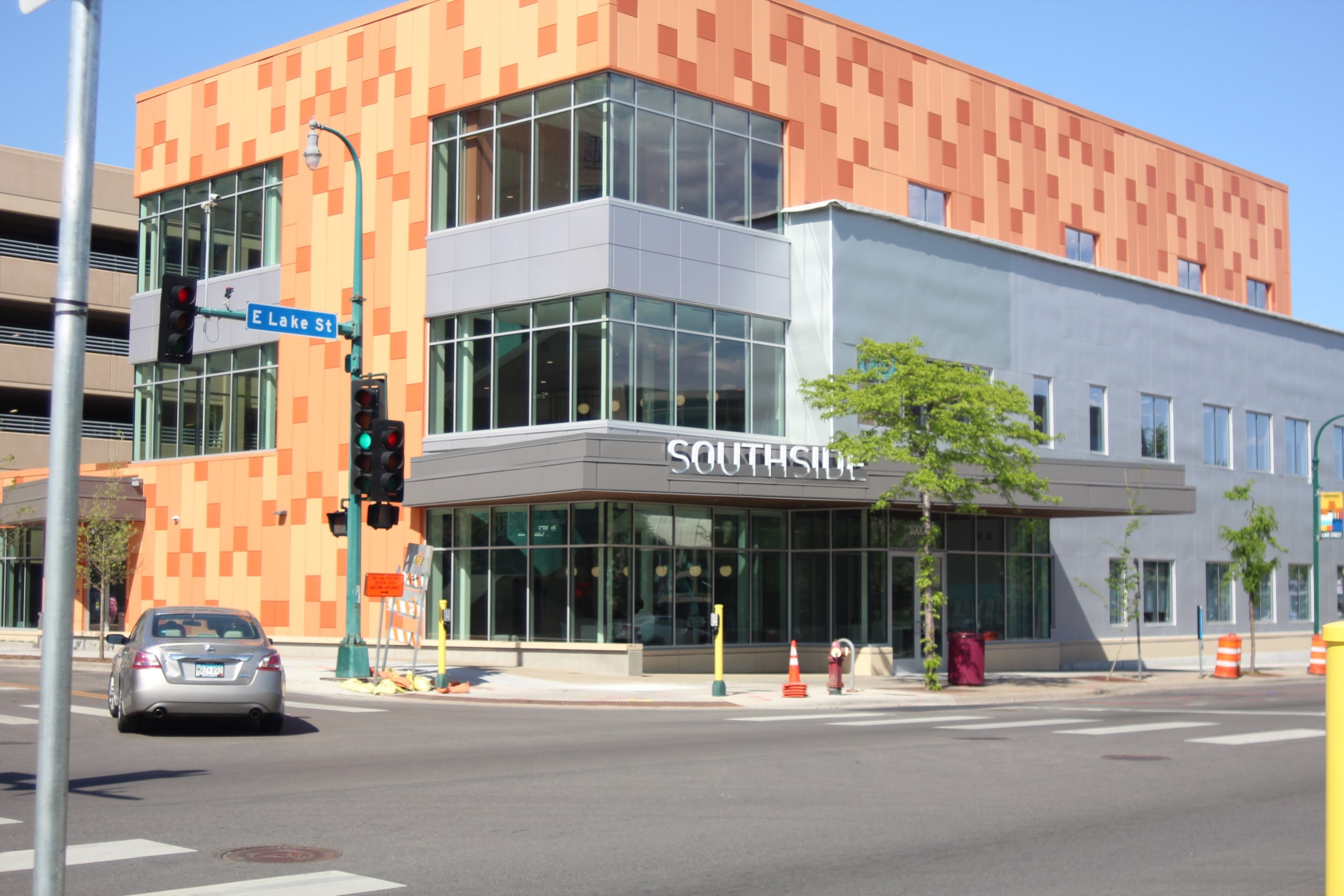
At 2215 East Lake Street in South Minneapolis, Southside Community Health Services has opened a $30 million clinic that brings together medical care, dental services, vision care, and behavioral health under one roof—a feat that matters in a city where non-emergency medical centers are scarce and hospital emergency departments like HCMC strain under overwhelming demand.
The new East Lake Street Clinic, which opened in early May 2026, arrived in a neighborhood that desperately needed it. Hennepin County has 32 community clinics, but only 15 accept Medicaid patients, and just one clinic—St. Mary's—offers care free of charge. The clinic's location in South Minneapolis is no accident. The area surrounding East Lake Street includes neighborhoods with poverty rates far above the city average: Midtown Phillips has a 40% poverty rate compared to Minneapolis's 17%. These are also neighborhoods with higher concentrations of Black and Latino residents, communities that face some of Minnesota's highest rates of uninsurance.
The numbers tell a stark story. Hispanic Minnesotans face an uninsurance rate of 20.7%—more than triple the statewide rate of 5.8%. Black Minnesotans are uninsured at nearly double the statewide rate, according to data from the Minnesota Department of Health. Only 36% of low-income South Minneapolis residents had previously received care at a community health center, according to the Neighborhood Development Center's 2023 report. That gap left thousands of people without reliable access to primary care, cancer screenings, or behavioral health services.
Southside Community Health Services, which has served South Minneapolis since 1971, designed this new clinic to fill that void. The facility was funded through a mix of private donations and $3 million in congressional funding secured by U.S. Senators Tina Smith and Amy Klobuchar. As a Federally Qualified Health Center, Southside's federal funding depends on its ability to provide care to underserved populations—and this clinic embodies that mission. All services are available regardless of insurance status, and patients can access sliding-scale fees based on income.
"Every community should have a place offering a full range of health care services in one, accessible place, but the Southside community is particularly underserved," Senator Smith said in a statement. "But now, how amazing is it that people can come to the new clinic and get the very best care you could get anywhere."
Ann Cazaban, executive director of Southside Community Health Services, framed the clinic's opening as rooted in what the organization has learned from two decades of direct patient care. "Staff and the board see firsthand that patients have health concerns exacerbated by disparities based on race and ethnicity, income or where they live," Cazaban said. The clinic offers integrated care by design: patients can receive dental care, cancer screenings, and behavioral therapy without moving between multiple locations, and staff provide navigation assistance for those seeking state insurance coverage.
The East Lake Street Clinic replaces one of Southside's two smaller facilities, consolidating services into a single, modern space designed for comprehensive care. For a community where health disparities have long shaped outcomes, this clinic represents something simple but powerful: a place where anyone, insured or not, can walk in and access the full spectrum of care they need.