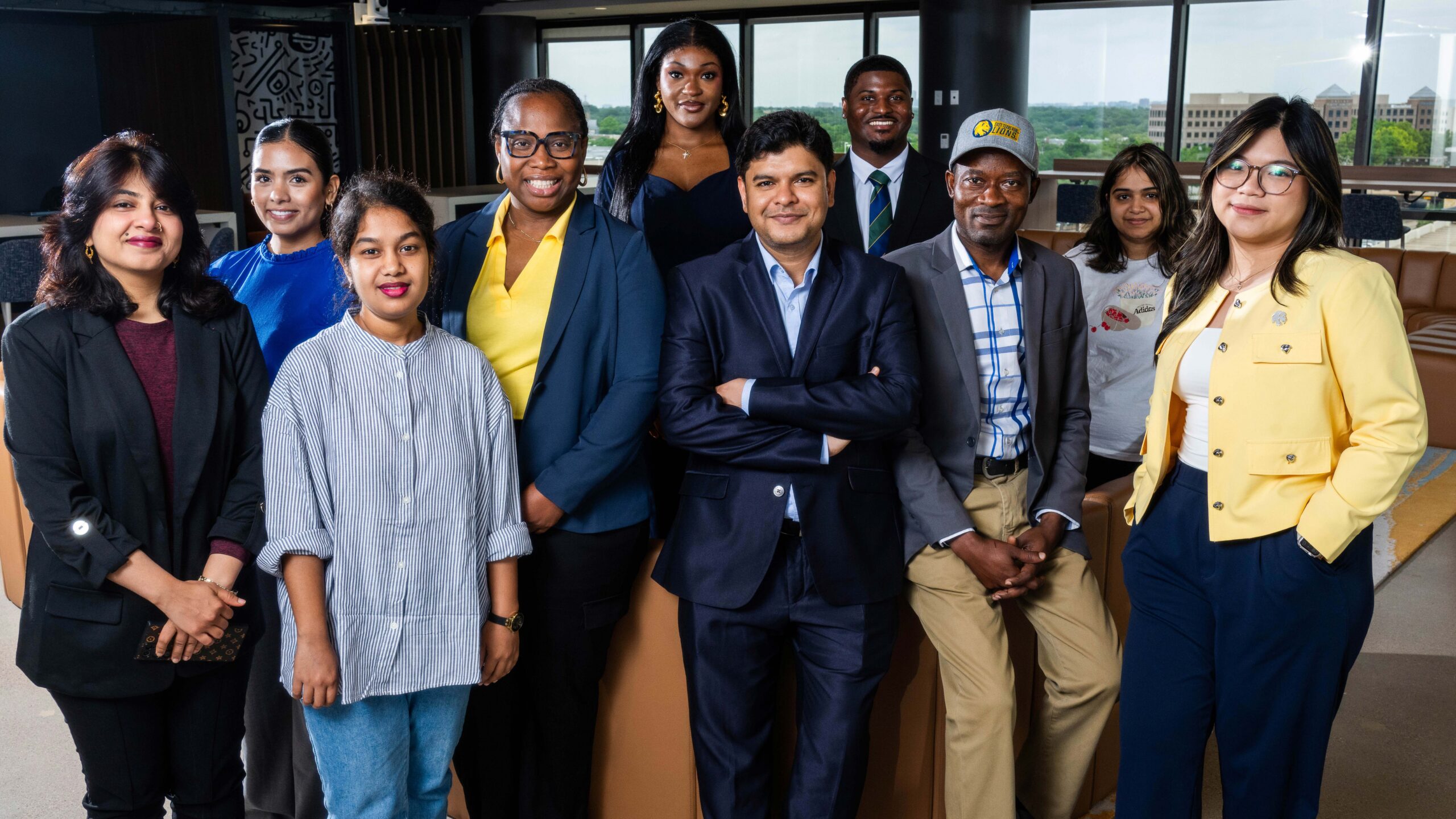
When Jessica Parra Serena, Juanita Marin Tabares, and Trisha Harjono stepped across the finish line at East Texas A&M University's 2026 Hackathon, they did more than win a competition—they demonstrated what happens when students are given real problems, modern tools, and a week to think boldly.
Held March 24-31 at the university's Dallas campus, the event brought together student teams from across the College of Business and College of Science and Engineering to tackle a challenge that matters to the real world: building an artificial intelligence-powered fraud detection model for fintech. The stakes felt genuine because they were. Under the guidance of faculty mentors like Dr. Son Bui and industry professionals, students weren't solving hypotheticals—they were engineering solutions to problems that companies face every day.
What makes this story remarkable isn't just that ETAMU students won top honors. It's that the Hackathon itself represents a shift in how universities prepare students for careers in an AI-driven economy. Rather than confining innovation to the classroom, East Texas A&M created a weeklong crucible where students could apply analytics, artificial intelligence, and software development skills to genuine industry challenges. The results showed that the approach works.
Parra Serena, Marin Tabares, and Harjono claimed first place with their fintech fraud detection model, demonstrating technical excellence and the kind of creative problem-solving that employers increasingly demand. Second place went to Adeel Shahzad and Riya Jain, while Manushi Parajuli earned third place recognition. Each team brought their own approach to the same core challenge, illustrating that there are multiple paths to innovation.
Dr. Bui, who coordinated the event, framed what's happening here clearly: "Each year, the Hackathon empowers our students to tackle real industry challenges using analytics, AI, and bold creative thinking. This year's results showcase not only their technical excellence, but their drive to push the boundaries of innovation." Those aren't the words of someone describing a classroom exercise. They're describing preparation for careers at the frontier of technology and business.
The Hackathon itself is the largest innovation and problem-solving competition in East Texas, which speaks to its reach and reputation. By hosting it annually, the university has created a pipeline—a way for students to test themselves against each other and against real-world standards, before they ever submit a résumé. The cross-college collaboration between business and engineering students also matters. Modern problems don't respect departmental boundaries, and students who learn to work across disciplines early will be more valuable when they enter the workforce.
What struck faculty and industry mentors watching these teams work wasn't just technical skill. It was the hunger to solve problems that don't have obvious answers. That's what innovation requires, and it's what the fintech fraud detection challenge demanded. As financial crime grows more sophisticated, AI-powered detection becomes not a luxury but a necessity. The fact that ETAMU students could build meaningful models in a week shows they're being prepared not for yesterday's problems, but for tomorrow's.
The College of Business's emphasis on hands-on learning, industry engagement, and emerging technologies is producing measurable results. Students are walking out with portfolios, real-world experience, and the confidence that comes from solving problems that matter.