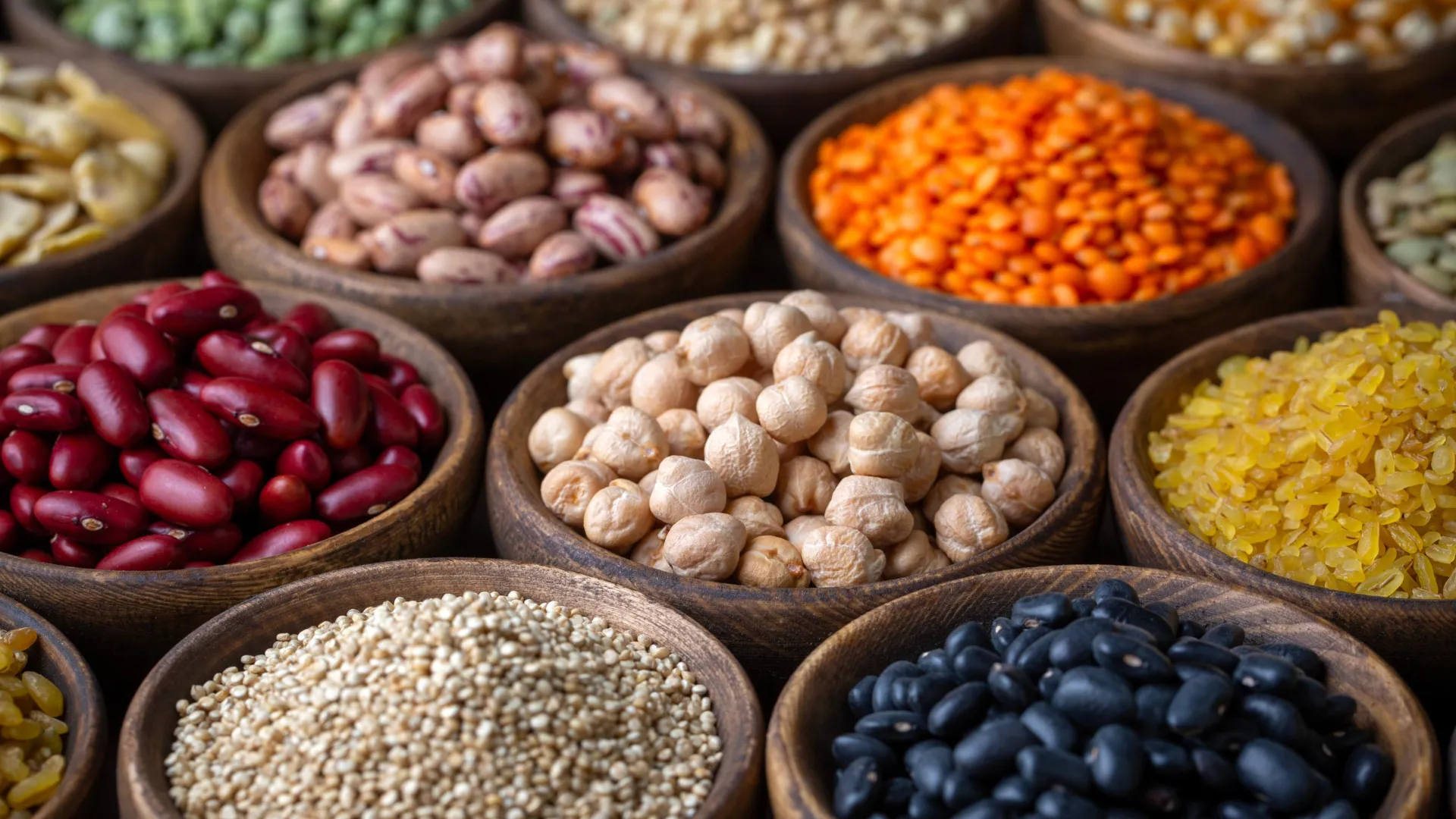
A simple shift toward more beans and soy could shield nearly one in three people from high blood pressure—one of the world's most common and costly health threats. A sweeping analysis of 12 long-term studies published in BMJ Nutrition Prevention & Health, drawing data from the United States, Europe, and Asia, has found that people who regularly eat legumes and soy foods face substantially lower risks of developing hypertension, with benefits strongest at specific intake levels that are entirely achievable through everyday meals.
The research matters because high blood pressure remains a silent epidemic: globally, hypertension contributes to millions of preventable deaths each year, yet simple dietary changes remain underutilized as a first-line defense. While previous studies hinted at connections between plant-based proteins and heart health, evidence specifically linking legumes and soy to lower blood pressure had been inconsistent. This new meta-analysis resolves that uncertainty by synthesizing data from studies conducted across five U.S. centers, five Asian countries (China, Iran, South Korea, and Japan), and two European nations (France and the UK), encompassing study populations ranging from 1,152 to 88,475 participants.
The findings are striking in their precision. People with the highest legume intake—roughly 170 grams daily, equivalent to about one cup of cooked beans or a handful of chickpeas—reduced their hypertension risk by approximately 30 percent compared to those eating the lowest amounts. For soy foods like tofu, tempeh, edamame, and soy milk, the sweet spot fell between 60 and 80 grams daily, lowering risk by 28 to 29 percent. Notably, eating more soy beyond that threshold provided no additional protection, suggesting the body reaches an optimal threshold rather than requiring ever-increasing amounts.
The mechanism appears rooted in chemistry. Legumes and soy are rich reservoirs of potassium, magnesium, and dietary fiber—nutrients already proven to support healthy blood pressure. But recent evidence points to something more elegant: soluble fiber from these foods ferments in the gut to produce short-chain fatty acids, compounds that may help blood vessels relax and expand, easing blood flow. Soy foods also contain isoflavones, plant compounds with documented blood-pressure-lowering properties.
The research does carry limitations. The 12 studies varied in legume types consumed, preparation methods, and how they defined hypertension. Yet the researchers, using rigorous World Cancer Research Fund evidence grading criteria, concluded the findings point to a probable causal relationship—a significant endorsement. One striking observation underscores the urgency: average legume consumption across Europe and the UK sits at just 8–15 grams daily, far below the 65–100 grams recommended for cardiovascular health.
Professor Sumantra Ray, chief scientist at NNEdPro Global Institute for Food, Nutrition and Health, framed the findings as a watershed moment. "This research strengthens the evidence base for the cardioprotective benefits of plant-based diets," he said. "The authors have significantly added to the case for using legumes and soy as primary dietary strategies to mitigate the global burden of hypertension."
The researchers themselves were careful not to overstate their work, acknowledging that further large-scale studies remain valuable. Yet their conclusion carries quiet confidence: the evidence now supports encouraging the public to "prioritize and integrate legumes and soy foods as healthy protein sources in the diet." In a world wrestling with rising hypertension rates, that represents a path forward that is affordable, accessible, and grounded in solid science.