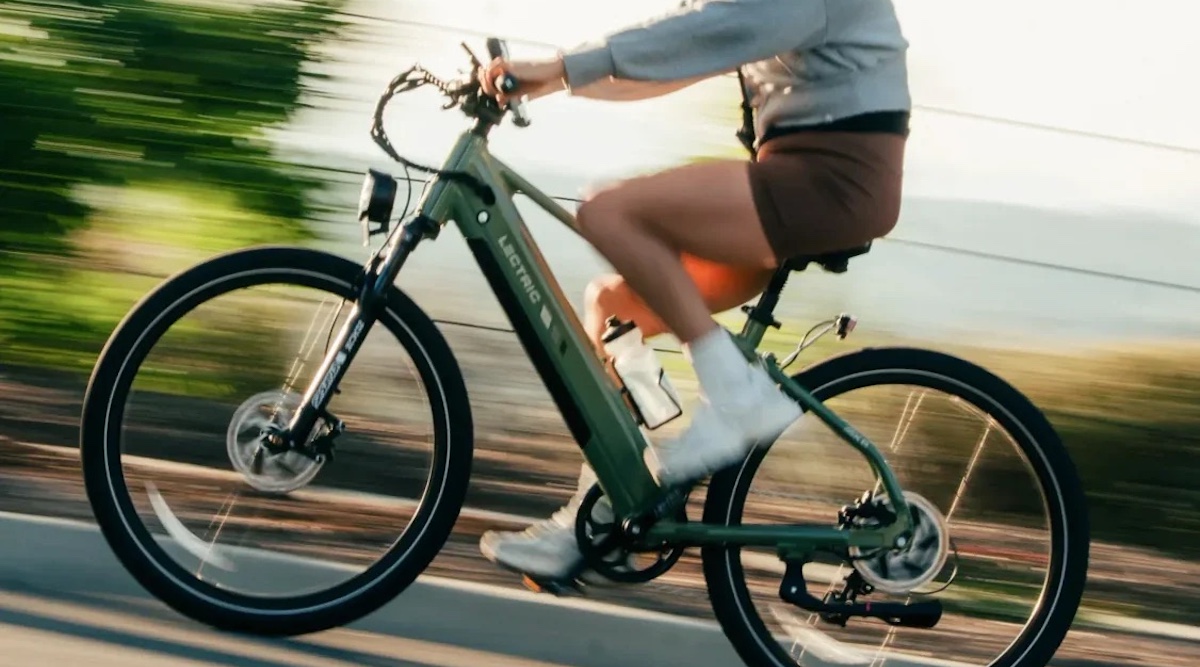
For most people, climbing a steep hill on a regular bicycle means either gritting your teeth through an exhausting workout or abandoning the bike altogether and hopping in a car. That's especially true in places like Western North Carolina, where the roads roll endlessly up and down through the mountains. For decades, those hills kept casual cycling out of reach for everyday errands like picking up groceries or visiting a neighbor.
Now, electric bikes are changing that. One reader from the region, who goes by "Jon," described how an ebike transformed his family's daily routine. "In the past we lived on a hill that made a regular bike a pretty strenuous trip, suitable for a good workout but not great for a casual trip to the store," he wrote. "The ebike definitely reduced the number of car trips for us."
Jon isn't alone. Across hilly and mountainous regions around the world, ebikes are opening doors that once seemed permanently closed. The battery and motor give riders a helpful boost up steep climbs, while still allowing them to pedal and get real exercise. It means someone can commute to work, run errands, or visit friends without needing a car — even on roads that would leave a traditional cyclist gasping for air.
The shift matters most for people who never had cycling as a realistic option before. Older adults, people recovering from injuries, or anyone who simply isn't in peak physical condition can now ride comfortably over terrain that once felt impossible. Ebikes level the playing field, letting people of all ages and fitness levels enjoy the freedom of two wheels.
Take Chapel Hill, North Carolina, home to the University of North Carolina. The long climb up Franklin Street has challenged cyclists for generations. A mid-20s healthy rider could manage it, but many residents just put their bikes on the bus instead. With an ebike, that same hill becomes no obstacle at all. Commuters can get where they need to go without waiting for public transit or exhausting themselves before arriving.
The technology is spreading fastest through communities where people already bike recreationally — word of mouth does the work. But advocates see the biggest potential in places where cycling has been rare, particularly hilly towns and rural areas that depend almost entirely on cars. In those communities, a single ebike can replace hundreds of car trips each year, cutting pollution and saving money while giving riders a healthier, more enjoyable way to get around.
As prices drop and awareness grows, ebikes may one day become as common as traditional bicycles in places that once seemed too challenging for everyday riding. For mountain towns, coastal cliffs, and everywhere in between, the humble ebike could be the key to a future with fewer cars, cleaner air, and streets full of people who finally have the freedom to leave their vehicles at home.