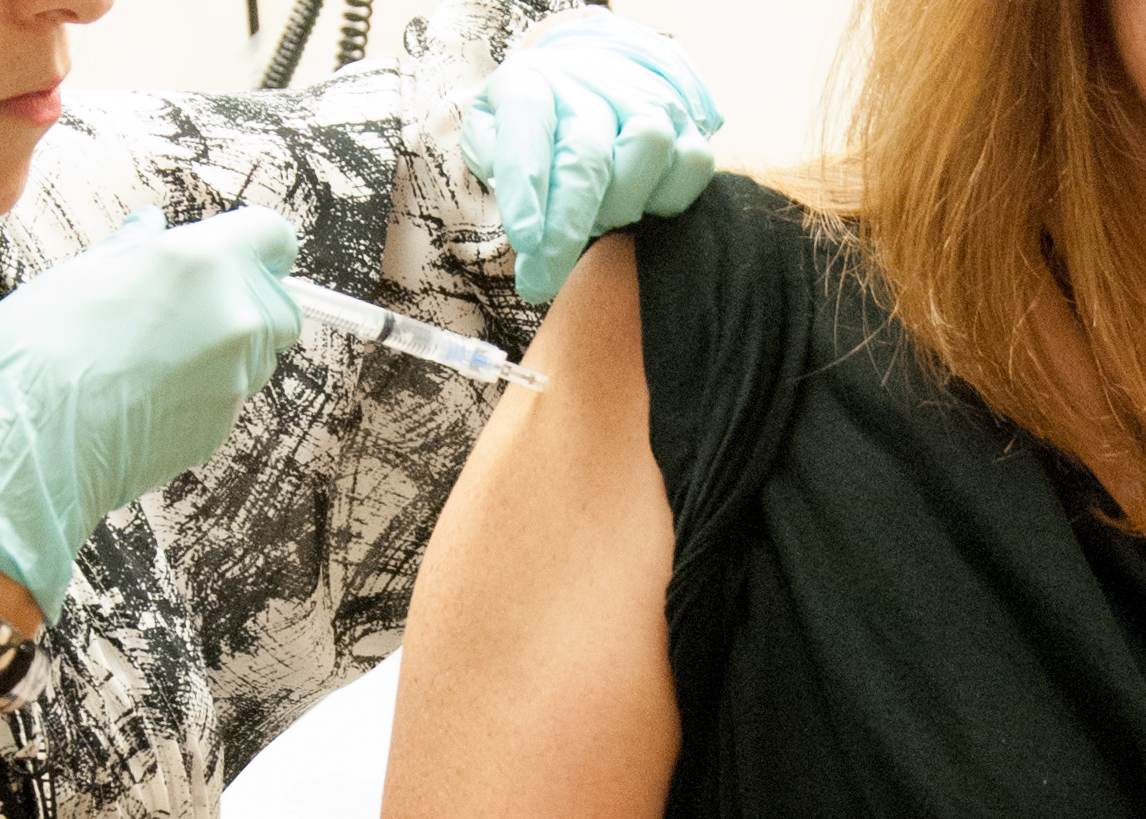
In December 2019, more than four years after the deadliest Ebola outbreak in history ravaged West Africa, the United States approved rVSV-ZEBOV—the first vaccine proven to stop the virus in its tracks. Sold under the brand name Ervebo and developed by the Public Health Agency of Canada before being taken over by Merck Inc., this vaccine represents a watershed moment in global health: a tool that can finally protect people against a disease that had seemed almost inevitable once contracted.
The approval came at the culmination of a grueling scientific journey that began in earnest in October 2014, when the Wellcome Trust launched trials across four continents. What makes Ervebo remarkable is not just that it works, but how quickly it proved itself. In December 2016, researchers found the vaccine to be 95–100% effective against the Zaire ebolavirus—the strain responsible for the most severe outbreaks. The speed of WHO prequalification itself became historic: in November 2019, the European Commission granted conditional marketing authorization, and fewer than 48 hours later, the WHO completed its prequalification process, making it the fastest vaccine authorization in the agency's history.
The evidence comes from a landmark study conducted in Guinea during the 2014–2016 outbreak, one of the few opportunities to test the vaccine's real-world power. Researchers used a ring vaccination strategy—the same approach that eradicated smallpox in the 1970s—vaccinating contacts and contacts of contacts of confirmed Ebola patients. Among 2,108 people who received immediate vaccination, not a single case of Ebola with symptom onset more than ten days after vaccination emerged. By contrast, the 1,429 people whose vaccination was delayed by 21 days saw ten cases develop. That stark comparison—zero cases versus ten—demonstrates the vaccine's protective effect with crystalline clarity.
The vaccine works by using a modified vesicular stomatitis virus as a vector, genetically engineered to carry a surface protein from Zaire Ebola. This approach trains the immune system to recognize and defeat the real threat. Side effects, when they occur, are mild: injection-site pain, swelling, headache, fever, muscle pain, and fatigue typically resolve within a week. During trials, about 20–30% of volunteers developed low-grade post-vaccine fever that disappeared within a day or two. One trial site in Geneva reported vaccine-related arthritis in several volunteers, prompting a temporary halt in December 2014, but the program resumed after investigation confirmed the vaccine's safety profile.
Today, Ervebo sits on the World Health Organization's List of Essential Medicines—recognition that this vaccine belongs in the global toolkit for preventing catastrophic outbreaks. Though only two Ebola vaccines against the Zaire strain are currently approved, the existence of Ervebo means that future Ebola cases need not spiral into epidemics. The vaccine's inclusion in stockpiles across Africa and beyond offers something that seemed impossible just years ago: genuine hope that Ebola, once the diagnosis most feared, can now be prevented before it takes hold.