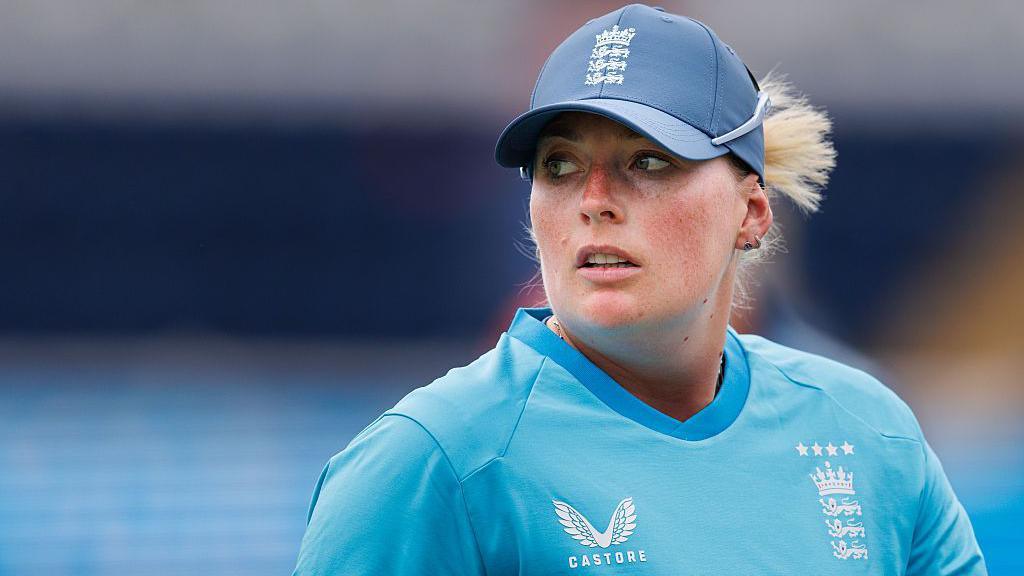
England spinner Sophie Ecclestone did not leave her house for five days during what she describes as a dark period early this year—a stunning admission from a player who had built a decade-long career on near-constant success. At 27, Ecclestone has been a fixture of England's cricket landscape since her teenage debut 10 years ago, becoming the nation's leading T20 wicket-taker in 2024 and surpassing the legendary Katherine Sciver-Brunt. Yet for someone accustomed to ascending every rung of professional sport, the combination of a brutal Ashes tour in early 2025 and unnamed struggles away from the game cracked something fundamental, forcing her to confront her own mental health in a way she had never anticipated.
What makes Ecclestone's openness striking is how thoroughly it reshapes the narrative around one of cricket's brightest talents. She has spent the past 18 months working with a psychiatrist—a step she once believed she would never need—and credits that professional support alongside encouragement from former coach Jon Lewis and current coach Charlotte Edwards for her recovery. "There was a time where I didn't leave my house for five days," she says plainly. "It wasn't just cricket, it was life generally, and when that isn't great, cricket takes a turn for the worse. I wasn't enjoying the environment and I just wanted to run away."
But her arc is not one of retreat. Heading into England's home T20 World Cup campaign beginning June 12 at Edgbaston, Ecclestone has emerged from that period fundamentally changed—not broken, but clearer. "I'm back. Things are so different now—I can play cricket with a smile on my face again," she says. The tournament will mark her fifth World Cup appearance, and she arrives as part of an England squad determined to deliver a home triumph, following in the footsteps of the successful Lionesses football team and Red Roses rugby squad.
The Ashes tour exposed cracks in the team's confidence and spawned external criticism, particularly around fitness levels after England's early exit from the 2024 T20 World Cup. Former teammate turned broadcaster Alex Hartley questioned the squad's conditioning; the scrutiny stung. But under Charlotte Edwards, who has made fitness "non-negotiable," the players have recalibrated. "As a group, we are ridiculously fit now," Ecclestone says. "If anyone did want to judge that I would love for them to come into our environment for the day because it's crazy how hard people work."
What resonates most, however, is Ecclestone's evolution beyond statistics and tournament outcomes. Having spent years as the first name on the teamsheet, she now sees her survival through crisis as a platform for younger players entering the intense scrutiny of international cricket. "International cricket is so hard these days, you're under so much more scrutiny than we've ever been before," she reflects. "So for those girls coming in, it will be a bit of a rollercoaster so it's important for them to know they've got people around to talk to and tell them it's OK and that everyone has bad days."
England's last World Cup victory came on home soil in 2017, and they have fallen short in global tournaments since. But Ecclestone articulates what this potential triumph would mean—not trophy glory alone, but vindication of vulnerability itself. "To lift a trophy with those girls and to share a moment like that with them, it's something I could only dream of. It would be like a miracle ending." She and her teammates have willed themselves forward through hardship. Now, beginning against Sri Lanka, they chase redemption together.