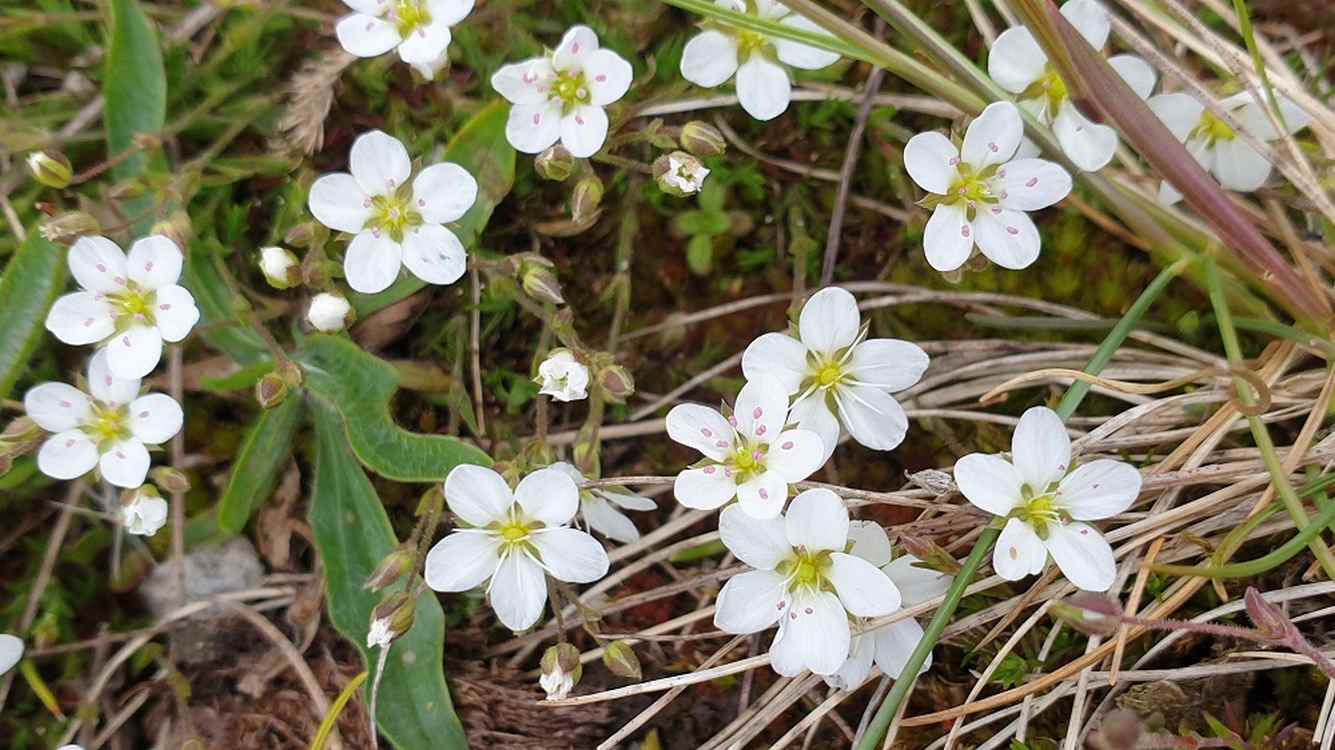
In the scarred landscapes of Durham, the North Pennines, and Cumbria, where lead and zinc mining has left a toxic legacy stretching back to Roman times, tiny wildflowers are quietly doing the work that would otherwise cost millions of pounds in environmental remediation. Mountain pansies, spring sandwort, and alpine penny-cress—a group of plants called metallophytes—thrive on soils poisoned with heavy metals, naturally absorbing the toxins while creating biodiverse grasslands where life flourishes against the odds.
These rare plants are part of a phenomenon called calaminarian grassland, which emerges where water and wind erosion have stripped away topsoil, exposing zinc, lead, and cadmium deposits to the surface. The name comes from "calamine," an old European term for zinc. Across the continent, similar metallophytes like the Viola calaminaria, or zinc violet, perform this same ecological trick. In the UK, such occurrences are almost never naturally found—yet here they are, blooming in some of the most inhospitable ground imaginable.
Covering just 450 hectares (1,100 acres), these calaminarian grasslands represent one of Britain's most curious ecological treasures. They exist because of historical mining practices that seem almost barbaric by modern standards. In the 19th century, miners would dam rivers and release them onto mining areas to strip away soil and expose metal deposits. The contaminated dirt accumulated in massive spoil piles, which over decades became layered with organic matter and transformed into meadows that now support unexpected botanical diversity. Alongside the metal-tolerant metallophytes grow hardy species like sea thrift, bladder campion, and kidney vetch—plants tough enough to anchor the entire food web of these rare microhabitats.
What makes this botanical redemption story extraordinary is how the plants accomplish it. Metallophytes possess a remarkable ability: they absorb toxic heavy metals from contaminated soil and weave them into complex organic molecules in their roots, rendering them harmless. This biological alchemy is saving millions in remediation costs while simultaneously enriching the landscape with biodiversity. As one source notes, "the plants' ability to take up the toxic heavy metal, and weave it into complex organic molecules in their roots which renders them nontoxic is not only saving millions of dollars in remediation work, but going on while the area is enriched from the food web diversity they help anchor."
County authorities now face a delicate dilemma. Durham and Cumbria authorities want to reduce levels of zinc, cadmium, and lead in wild rivers and streams—a laudable environmental goal. Yet doing so would eliminate the very contamination that sustains these precious microhabitats. Some officials worry this ecological window is closing.
But there may be time for a calaminarian renaissance. Durham's Water and Abandoned Metal Mines (WAMM) program is actively establishing new calaminarian grasslands by planting metallophytes around identified mine spoil piles along the River Tees. Thousands of plants have been placed around the spoil piles' perimeters, serving double duty: they stop heavy metals from leaching into the river and surrounding soils while creating havens for rare wildflowers. This represents a shift in how we think about ecological restoration—not as the erasure of mining's scars, but as a partnership with nature to transform poison into flourishing life.