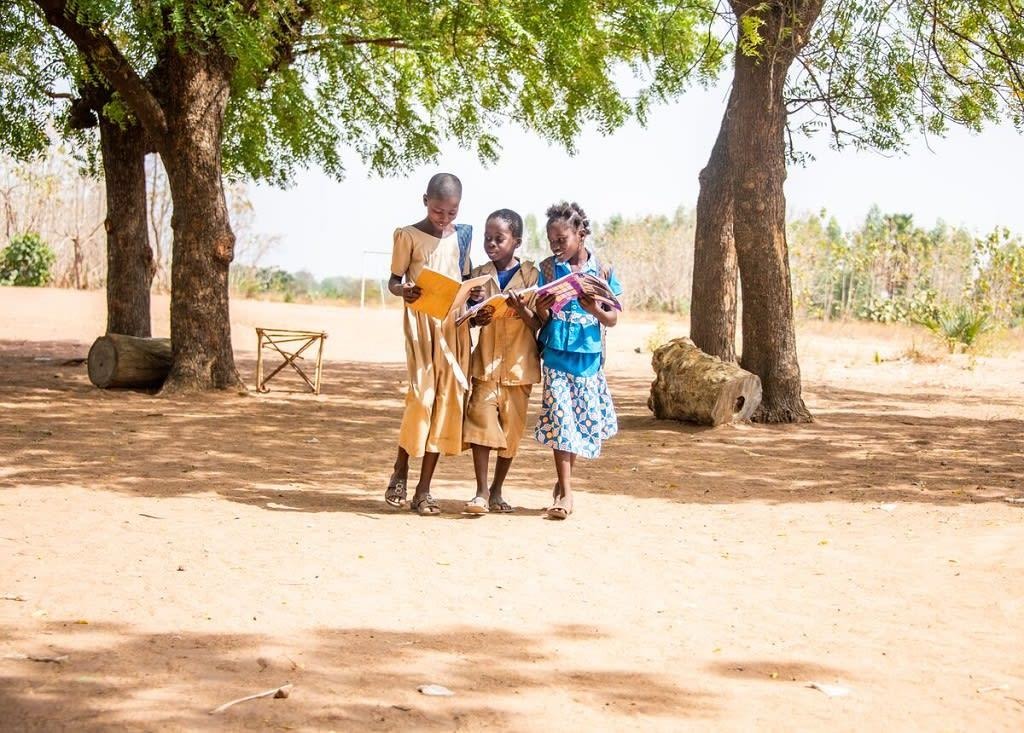
Imagine if every girl in Africa finished school. Economists say the continent could gain $2.4 trillion by 2040 — roughly the entire GDP of a major global economy today. That is not a dream. It is the goal driving a growing movement across Africa to educate girls.
The numbers come from the World Bank, which found that closing the educational gap for adolescent girls could unlock economic income on a scale most people struggle to fathom. But the benefits go far beyond money. Educated girls grow into women who make healthier choices, raise healthier children, and build stronger communities. The evidence is stacking up, and African governments are paying attention.
Ethiopia has been expanding free primary education. Ghana is investing in teacher training. Kenya has rolled out scholarship programs for girls from low-income families. These are not tiny experiments — they are national strategies backed by real funding. Community by community, the message is spreading: sending girls to school is not a cost. It is an investment with extraordinary returns.
One of the most striking findings is how far the money goes. Research shows that every dollar spent on girls' education returns $2.80 in social and economic benefits. Put another way, the ripple effects of educating one girl touch her family, her neighborhood, and ultimately her entire nation. Educated women are more likely to start businesses, embrace new technology, and push their own children to succeed.
The health gains are just as remarkable. Children born to mothers who finished secondary school are 40 percent less likely to die before their first birthday. That single statistic represents millions of lives saved over time. Educated mothers also ensure their children get vaccinations, eat nutritious food, and see doctors when they are sick. The ripple effect touches entire healthcare systems, lightening the load for doctors and nurses across the continent.
Girls who stay in school also dramatically reduce their chances of marrying as children. Secondary school completion cuts child marriage rates by as much as two-thirds. When a girl delays marriage, she gains years to learn skills, earn an income, and decide her own future. She is also far less likely to face the health risks that come with early pregnancy.
Of course, big challenges remain. Millions of girls still walk miles to reach the nearest school. Many families cannot afford fees or uniforms. In some regions, cultural expectations keep girls at home doing housework instead of sitting in classrooms. Conflict and displacement have disrupted learning for children across several countries.
But technology is opening new doors. Mobile learning apps, affordable internet, and digital classrooms are reaching girls in remote villages for the first time. A girl with a smartphone in rural Uganda can now access the same science lessons as a student in Nairobi. That was unthinkable a decade ago.
The world is finally catching up to what African communities have known for generations: educated girls change everything. When a girl learns, she does not just improve her own life. She lifts her family, strengthens her community, and contributes to a more prosperous Africa for everyone.