When Australia started 2026, only 9 electric buses rolled out of the country's delivery depots. Four months later, that number has jumped to 72 — a massive leap that shows just how fast the nation's bus fleets are going green.
The numbers tell a clear story. In January, just 6 percent of new buses delivered were electric. By April, that figure hit 45 percent. In May, nearly as many zero-emission buses arrived as diesel ones: 73 electric versus 80 diesel. Between January and March alone, 121 electric buses were delivered across the country.
The shift is happening faster here than in the passenger car market. In February, about a third of new buses were electric compared to just 20 percent of new cars. Australian Bus News described it as "a substantial change in the power source split."
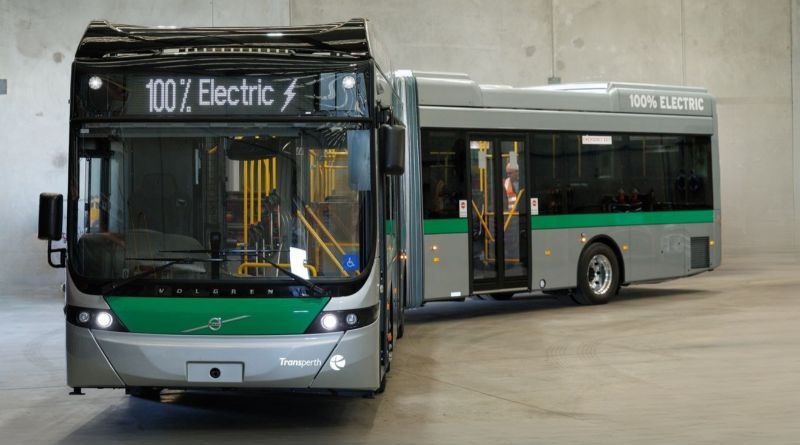
The buses are coming from a mix of global and local makers. BYD delivered 21 electric buses in April, Scania delivered 15, and Yutong delivered 13. Local Australian manufacturer Volgren is building 95 battery-electric buses for Transport for NSW and has a goal of having 600 zero-emission buses on roads nationwide. The company recently unveiled Australia's first locally made electric articulated bus — a long "bendy bus" that seats 57 passengers and runs on a Volvo chassis with enough battery power to run all day.
Several state governments are pushing the transition hard. New South Wales, Australia's most populous state, has committed AU$6.5 billion over 10 years to buy at least 1,700 new electric buses and build 17 charging depots. Victoria requires all new public buses to be zero-emission from mid-2025. Western Australia is adding about 11 new electric buses to Perth's network every month, with a goal of 130 new battery-electric buses. The Australian Capital Territory plans to fully electrify the Canberra bus network.
Together, these state commitments represent a backlog of roughly 1,200 buses still to be delivered. Queensland, however, recently shifted away from an all-electric mandate under a new government, opting instead for a "balanced approach" to replacing older diesel and gas buses.
The speed of change has created some growing pains. Ten out of 14 major Sydney bus depots are behind schedule on their electrification upgrades, according to the Sydney Morning Herald. Some brand-new buses are currently sitting in temporary storage because their charging infrastructure isn't ready yet.
Despite the bottlenecks, the trajectory is unmistakable. Australia's bus industry is in the middle of a major shift — and electric buses are no longer the exception. They're becoming the new normal.