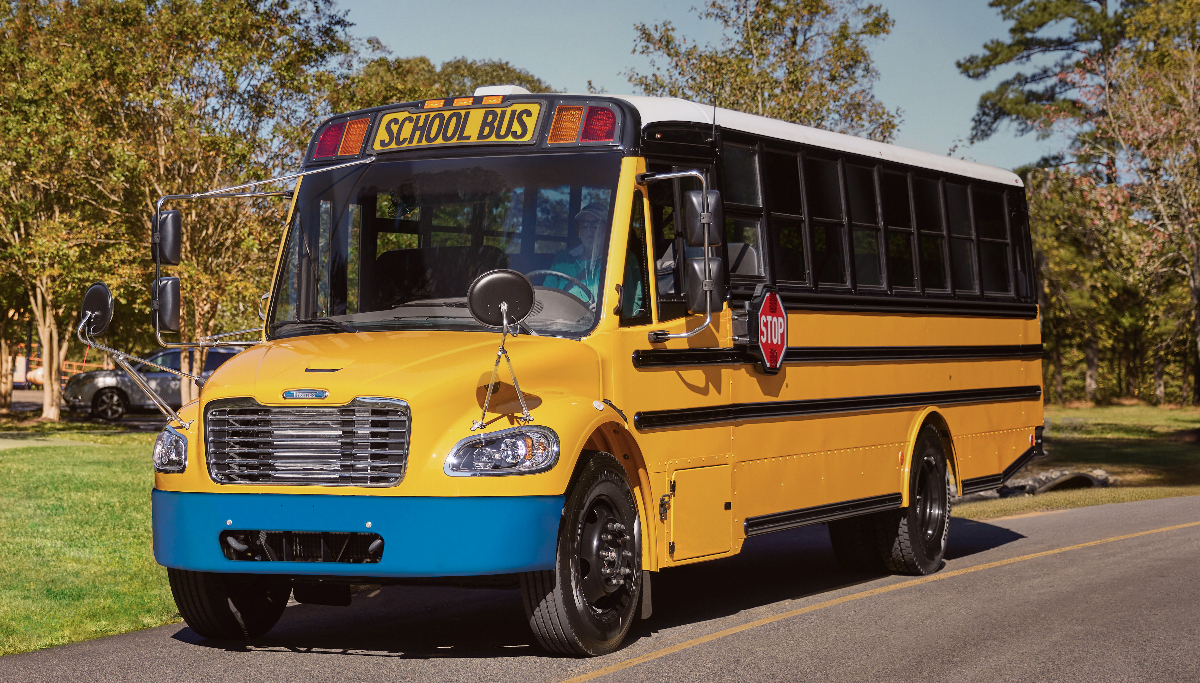
A Salt Lake City school bus driver made a quiet but powerful choice: switch to an electric bus, and never look back. After years of managing diesel fumes and the toll they take on both passengers and air quality, this driver found that the switch transformed not just the daily commute, but the very purpose of the job itself.
Salt Lake City has long struggled with air pollution, a crisis that demands urgent attention. The American Lung Association documents the scale of the problem: ozone and particle pollution cause premature death, asthma attacks, heart attacks, and strokes. Children are especially vulnerable—their lungs are still developing, they breathe more air per unit of body weight than adults, and air pollution exposure in childhood can reduce lung growth and increase the risk of lifelong respiratory disease. The economic costs are staggering. Annual asthma treatment in the United States runs around $82 billion, with medical expenses reaching $50.3 billion. Individual asthma patients pay $3,266 more per year in medical costs than those without the condition, and lost work and school days account for $3 billion in additional losses.
Electric school buses offer a direct antidote to this reality. Unlike diesel buses, they produce zero tailpipe emissions, which means cleaner air both inside the vehicle and throughout the community. The driver who made the switch described the difference vividly: "The clean, exhaust-free ride is a major benefit. Electric buses don't produce tailpipe emissions, which makes the environment inside the bus much more pleasant. With air quality being an ongoing concern in Salt Lake City, especially during the winter months, it feels good to be part of a solution."
But the benefits extend far beyond comfort. Electric buses can run on renewable electricity—solar, wind, hydro, or geothermal power—rather than diesel's dependency on fossil fuels. They waste less energy in operation, and electricity costs can be lower than diesel fuel. Maintenance and repairs often cost less as well. Some electric bus systems are even beginning to use battery packs collectively as "virtual power plants" to stabilize local electrical grids, turning transit infrastructure into a tool for grid resilience.
The Salt Lake City School District recognized the potential and took a leadership role by introducing electric buses into its fleet. For the driver involved, this wasn't merely a technical upgrade—it changed the meaning of service. "I'm grateful that the Salt Lake City School District has taken a leadership role in bringing electric school buses to our community," the driver reflected. "Driving electric has made my job more enjoyable and comfortable, and it's rewarding to know I'm helping create a better experience for the students I serve."
That last observation captures something essential. Transit workers aren't abstract advocates for change—they're people who spend their working lives breathing the air their buses create, transporting children whose health depends on it. When a bus driver chooses electric and commits to it with conviction, they're not just making a personal decision. They're modeling what a healthier, cleaner future looks like for every student who boards that bus.