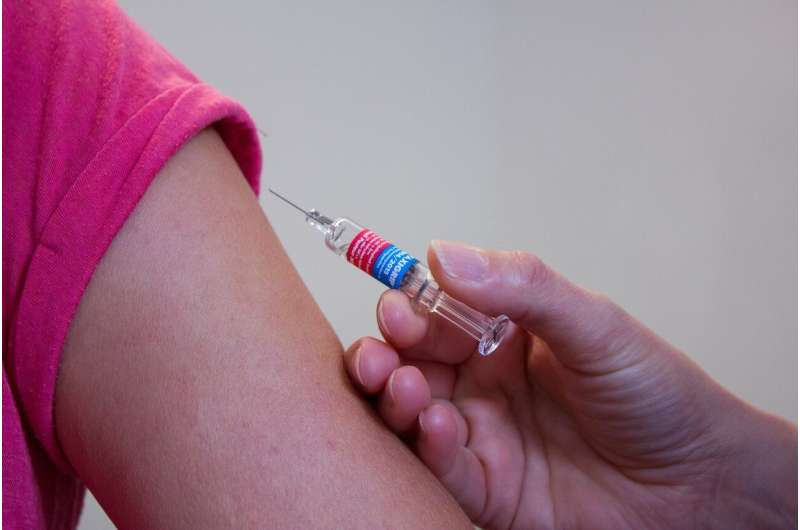
When patients walk into an emergency department, they rarely expect to leave with a flu shot. But new research suggests they might want to start.
A University of California, Riverside-led study published in the Journal of Emergency Medicine found that more than a third of unvaccinated patients surveyed in EDs would accept a flu shot on the spot—if it were simply offered to them. The finding opens a unexpected door for public health: emergency rooms, those crowded corridors of crisis care, might also become unexpected frontline defenders against influenza.
Dr. Robert Rodriguez, a professor of medicine at UCR's School of Medicine, led the research team in surveying 3,285 adult patients at 10 emergency departments across eight American cities between April and December 2024. The cities included Chicago, Detroit, Durham, Philadelphia, Fresno, Los Angeles, San Francisco, and Sylmar. The results were striking: while nearly all participants—96 percent—had heard of the influenza vaccine, 58.4 percent had not received their annual shot and were considered behind on current recommendations.
The study revealed a troubling gap in preventive care. Patients without a primary care provider were more than twice as likely to be unvaccinated against the flu, and more than one in five study participants reported having no regular doctor at all. Lower vaccination rates were also found among uninsured patients and Black patients, pointing to deeper systemic barriers to routine preventive care.
Yet embedded within these disparities lies genuine optimism. Among those not up to date on their flu vaccination, 37 percent said they would accept a flu shot during their emergency department visit. For researchers, this number represents a lifeline.
"Emergency departments are often the only point of contact with the health care system for many patients," said co-author Dr. Rajesh Gulati, also a professor of medicine at UCR. "Our findings show that there is a substantial opportunity to reach people who may not have access to primary care and help close important gaps in influenza vaccination coverage."
Sanya Dhama, a medical student at UCR and the study's first author, put it plainly: "Many patients who are either unaware of or not receiving preventive care elsewhere are willing to be vaccinated when given the opportunity." She sees emergency departments evolving into what she calls "a critical public health safety net—not only for acute care, but also for preventive services such as influenza vaccination."
The implications extend beyond flu season. Influenza contributes to an estimated 650,000 deaths worldwide each year, and fewer than half of U.S. adults received a flu vaccine during the 2023–2024 season. If emergency departments could successfully integrate even basic vaccination outreach—combined with targeted education about vaccine safety and effectiveness—the ripple effects could be profound.
The researchers acknowledged that among patients who declined vaccination, common concerns included fear of side effects, a desire for more information, and feeling too ill at the time of their visit. But these, too, represent opportunities rather than obstacles.
"Expanding ED-based vaccination programs could help reduce influenza-related illness, hospitalization and death, particularly among populations with limited access to routine health care," Rodriguez said.
For millions of Americans who rely on emergency rooms as their primary gateway to the health system, that message is both a challenge and a promise: the door to better health might be the same door they already walked through.