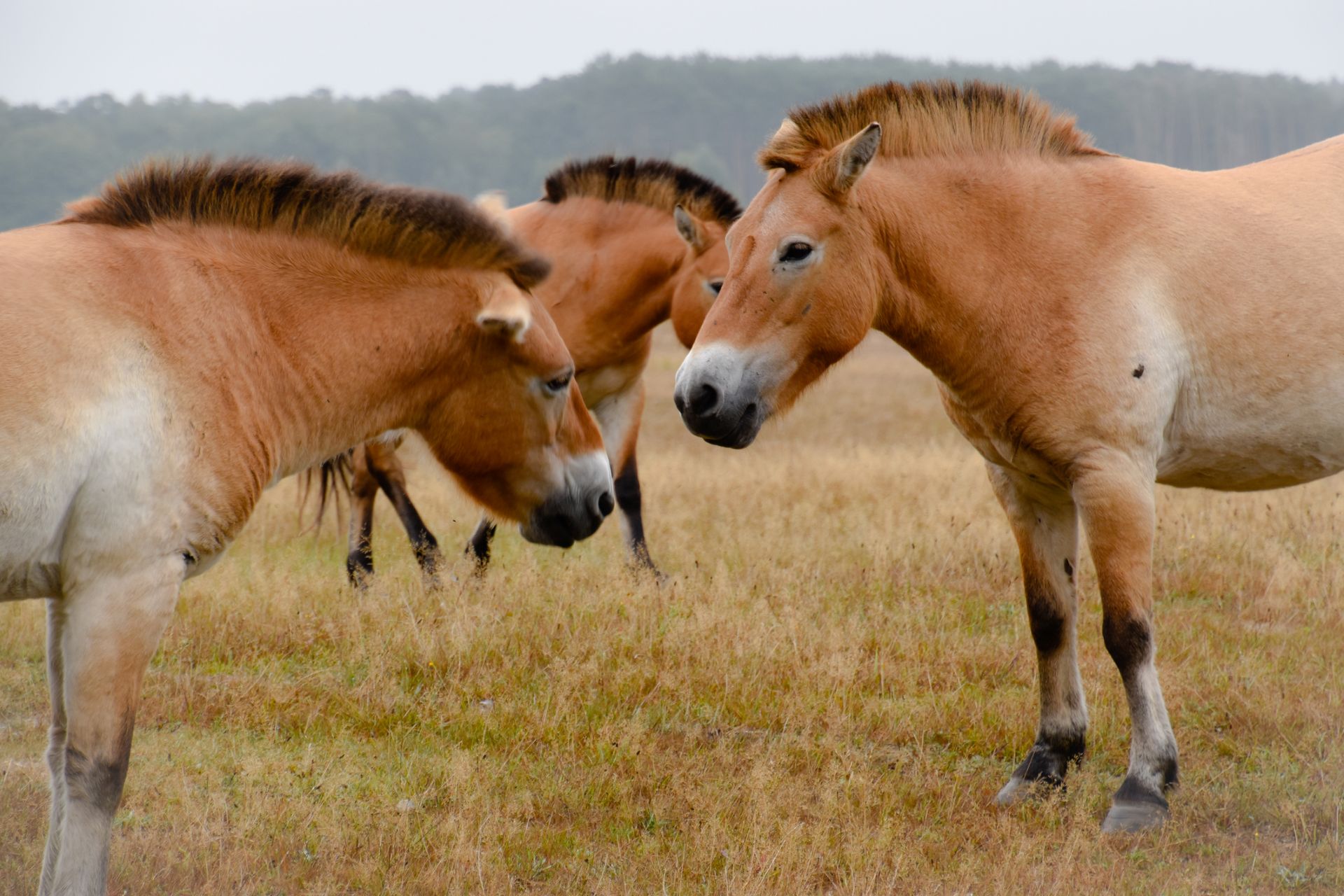
Mongolia's Przewalski's horses have returned from the edge of extinction—a wild population that vanished by the late 1960s now numbers above 1,000, thanks to decades of breeding and reintroduction work across the steppes. This quiet victory, repeated across continents and ecosystems, reveals a harder truth about our planet's crisis: species decline is not always permanent, and communities are proving they can turn it around.
A 2019 report by the Intergovernmental Panel on Biodiversity and Ecosystem Services found that more than 1 million species face extinction, largely driven by habitat destruction, pollution, overhunting, and climate change. The scale feels overwhelming. Yet from Nepal's forests to Russia's Far East, from coral reefs in Indonesia to coastal waters in Venezuela, communities are demonstrating that recovery is possible when local people lead the way.
In Nepal, Bengal tiger numbers have soared from 121 in 2010 to 355 by 2022—nearly tripling in a single decade. Meanwhile, in Russia's Far East, camera traps recorded 129 adult Amur leopards plus at least 14 cubs in 2024, while Amur tiger counts topped 750 in the 2021-2022 census. These big cats prowl landscapes where people live and work, making their recovery a feat of coexistence as much as conservation.
The human dimension runs deep. In Nepal's mountains, Indigenous women are protecting pangolins while building ecotourism trails managed by the Tamang community in Kathmandu. In Assam's Kaziranga National Park, the Van Durgas—a women-led patrol unit—stand guard against poaching in some of the park's most difficult terrain. During the devastating 2024 floods, these forest guards worked to protect both wildlife and local residents, proving that conservation and community resilience go hand in hand.
Mongolia's horse recovery did not happen overnight. It relied on protected habitats and meticulous breeding programs. Russia's big-cat rebound required camera traps, ranger teams, compensation for livestock losses, and education for people living alongside predators. In South Asia, governments and nonprofits are increasingly working directly with communities rather than treating them as bystanders. This shift—from imposing conservation from above to building it from within—marks a fundamental change in how species protection can work.
Underwater, the stakes feel just as urgent. Southeast Asia's coral reefs support vast numbers of species, protect livelihoods, and store carbon. Yet between 88% and 95% of reefs in the region face extreme risk of bleaching, according to the World Resources Institute. In Indonesia, coral gardening projects are restoring damaged reefs using 3D-printed bases and selective breeding. In Venezuela, consumer campaigns are urging people to stop eating juvenile shark meat, known as cazón. Researchers and divers are experimenting with marine sanctuaries that limit fishing and development, rebuilding ecosystems piece by piece.
When species disappear, ecosystems collapse. Food chains weaken, and communities that depend on forests, fisheries, and tourism become more vulnerable. Healthier ecosystems mean safer neighborhoods, stronger local economies, and greater resilience in a warming world. These successes across Mongolia, Nepal, Russia, India, and beyond remind us that while the extinction crisis is real, so is our capacity to reverse it—when we trust communities to lead.