On the third Friday of May each year, Americans pause to honor a quiet victory: species that once stood on the edge of extinction have found their way back. Endangered Species Day 2026 arrives with stories that defy the relentless arc of environmental loss—proof that legal protection, paired with sustained effort, can reverse even the most dire declines.
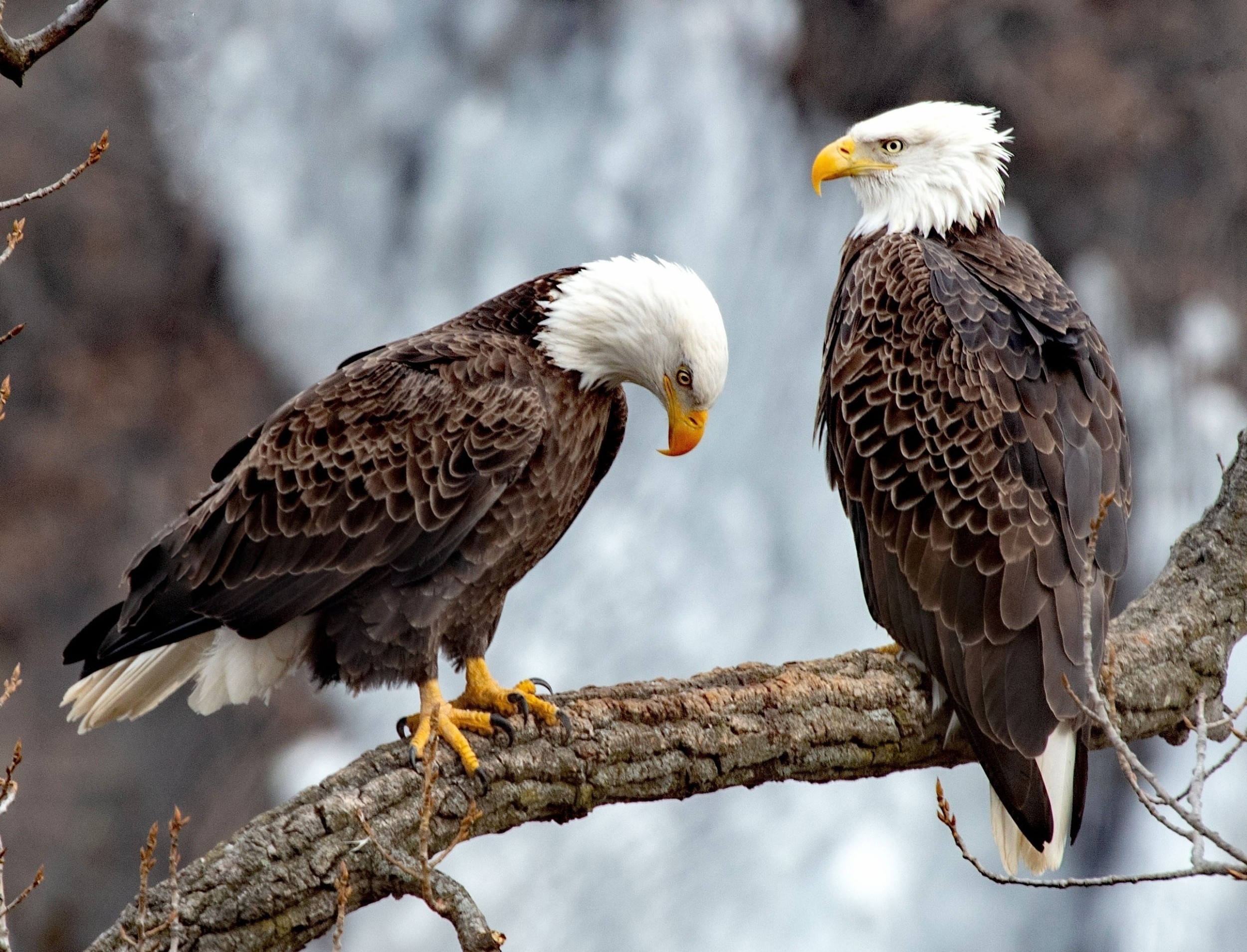
The bald eagle's resurrection tells this story best. Fewer than 500 breeding pairs remained in the United States as hunting, habitat destruction, and pesticide exposure nearly erased the nation's symbol. Today, roughly 14,000 breeding pairs soar across American skies. That transformation happened because the Endangered Species Act and the 1972 ban on DDT gave the species room to breathe and rebuild.
The California condor—North America's largest land bird—offers an even more dramatic arc. In the 1980s, only 22 individuals survived. Now more than 500 exist, a testament to decades of careful breeding and reintroduction work. The gray wolf tells a similar narrative of patient restoration. Since wolves were reintroduced to Yellowstone National Park in 1995, populations across the lower 48 states have grown to an estimated 7,500 animals, reshaping entire ecosystems as they returned.
These are not isolated victories. The Endangered Species Act now protects more than 2,000 threatened and endangered species across the United States. The American alligator, hunted to near extinction, has recovered to more than five million individuals. Each recovery represents a turning point in how we relate to the natural world—a moment when law, science, and will intersect.
Yet the threat landscape remains urgent. Forests fragment into islands, severing migration paths and weakening food chains. Wetlands shrink. Oceans accumulate plastic and absorb heat, turning coral reefs pale and brittle. Climate shifts arrive faster than many species can adapt, triggering cascades through ecosystems that depend on rhythm and continuity. Hunting, trade, and trafficking continue to drain vulnerable populations. The pressures are relentless and interconnected.
What makes this year's celebration significant is its focus on what works. "Celebrating Wildlife Comeback Stories. Championing the Endangered Species Act"—this year's theme—shifts attention from despair to possibility. Thousands of Americans are expected to participate in events nationwide: sea turtle hospital tours in Marathon, pollinator habitat plantings in Seattle, wildlife tours, conservation projects, and educational programs. The Los Angeles Zoo is celebrating recent births of endangered primates, including a baby gorilla, orangutan, and chimpanzees. Virtual chalk art contests and online film festivals extend the conversation beyond geography.
These celebrations matter because they remind us that species do not exist in isolation. Bees carry pollen between flowers. Predators prevent ecological collapse. Forests filter air. Wetlands absorb flood waters. Oceans regulate planetary temperature. Remove one link from this intricate web, and the entire system begins to behave differently, often unpredictably. Even medicine traces its roots back to wild species. Humans exist within this system, not outside it.
The recovery stories emerging this Endangered Species Day 2026 are not endings. They are invitations to ask what else is possible, to understand that the natural world can rebound if given legal protection, habitat, and time. The question is not whether we can save endangered species. The answer, written in bald eagles and condors and wolves, is already clear. The question is how many more stories we will write before it becomes too late.