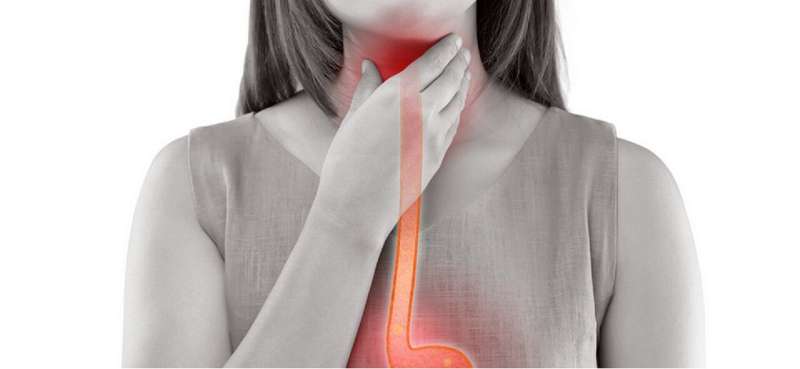
When Giovanni Traverso and his team at MIT set out to solve a seemingly intractable problem—how to deliver powerful drugs directly to the esophagus—they started by mimicking the very organ they wanted to treat. Their breakthrough came in a screening system that sandwiched human esophageal tissue between vertical plates, allowing researchers to pour drug formulations from above and measure, milliliter by milliliter, what actually made it through. This methodical approach has now yielded a gel-like oral formulation that could transform treatment for millions of people with esophageal disorders.
The challenge is profound. Esophageal diseases like eosinophilic esophagitis, a food-allergy-triggered inflammation that can make swallowing impossible, have few good treatment options. Doctors typically resort to systemic drugs—medications that flood the entire body—to reach this narrow tissue. Infliximab, an antibody that fights inflammation by neutralizing tumor necrosis factor alpha, is one such drug. It works, but the price is steep: it suppresses the immune system, leaving patients vulnerable to serious infections and other complications. A better path would be delivering the drug directly where it's needed, sparing the rest of the body. The problem? The esophagus is lined with stratified squamous epithelium, a notoriously impermeable layer that acts like a locked door to drug molecules. Swallowed medications also race through the esophagus so quickly that there's barely time for absorption.
The MIT team, led by Traverso—an associate professor of mechanical engineering who also works as a gastroenterologist at Brigham and Women's Hospital—took a different approach. Rather than trying to force drugs through or inject them (uncomfortable and impractical), they decided to open the door chemically. Working with Christina Karavasili, then a postdoc at MIT and now an assistant professor at Aristotle University of Thessaloniki in Greece, Traverso's group screened roughly 100 different chemical compounds to see which ones could enhance the permeability of esophageal tissue. They then tested promising pairs of these compounds, called excipients, and found their winner: two bile salts, sodium chenodeoxycholate and sodium cholate, working in tandem.
These bile salts appear to loosen the tight junctions between esophageal cells—the molecular locks that normally keep drugs out. The researchers then combined these salts with a polysaccharide-derived hydrogel, a sticky substance that coats the esophageal lining and keeps the drug formulation in place long enough for absorption. The result is a formulation that does something previously difficult to achieve: it allows antibodies like infliximab, or other small-molecule drugs, to actually penetrate esophageal tissue after being swallowed.
Their work, published in Nature Biomedical Engineering, opens a new therapeutic pathway. Rather than giving patients immunosuppressants that affect their whole body, doctors may soon be able to deliver anti-inflammatory drugs directly to the site of inflammation. "There are many people with esophageal disease, and if you look at drugs for these conditions, they're very limited in their ability to target this part of the body," Traverso notes. The platform developed at MIT suggests those limitations may finally be lifting.