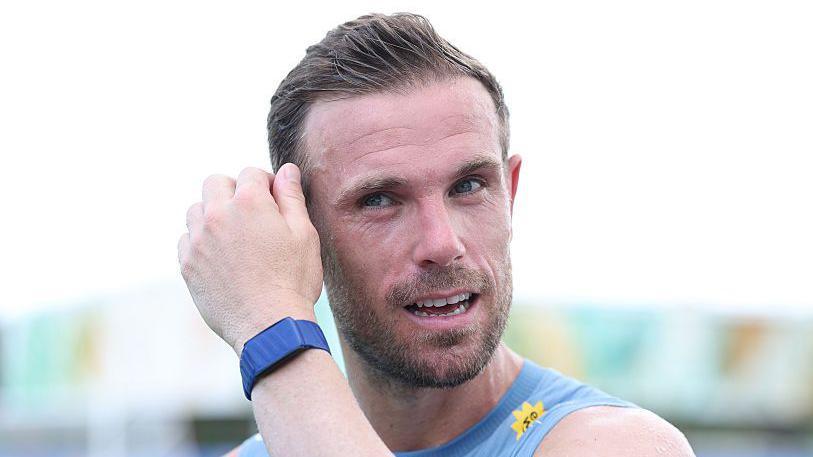
Jordan Henderson stepped off the training pitch in West Palm Beach, Florida with sweat still dripping from his kit—32 degrees Celsius in early June, and the real test hadn't even begun. England's squad has arrived in the Sunshine State not for vacation, but for something far more strategic: heat acclimation before the World Cup kicks off next week. Nearly a quarter of all tournament matches will be played in temperatures exceeding 26 degrees Celsius, a reality that could make the difference between advancing and going home early. For Henderson, preparing his body and mind for those conditions isn't optional—it's the kind of edge that separates champions from contenders.
Manager Thomas Tuchel understood this from the start. Rather than bring his players to Florida only after the squad announcement, he'd advised them during the season to take their post-season breaks in the United States, letting the heat and humidity do the acclimatization work early. Forward Marcus Rashford was among those who heeded the call, trading the cool English summer for sweltering American beaches. By the time the majority of the squad touched down in Florida, some had already begun adapting to the time zone shifts and brutal weather patterns they'd face in tournament play.
The work is deliberate and scientific. Kobbie Mainoo, one of England's midfield talents, arrived understanding that this wasn't about "keeping cool"—it was about becoming comfortable in conditions that feel entirely foreign to most English footballers. "It's very different to anything I've played in," he said, acknowledging that humidity paired with heat creates a challenge no amount of gym work can fully replicate. The coaching staff has invested heavily in recovery protocols and cooling strategies, the kind of meticulous research that turns small advantages into decisive ones when ninety minutes matter most.
Yet a handful of key players—Declan Rice and Bukayo Saka among them—are still arriving this week, meaning the acclimatization window is compressed. Henderson, who will play in his seventh major tournament, frames this urgency clearly: the goal is to "build capacity" and get exposure to the conditions "just best we can" in the time available. The warm-up matches ahead of the tournament will serve that purpose, each training session and friendly another brick in the foundation of readiness.
England's schedule adds another layer of complexity. Their opening Group L match against Croatia happens on 17 June in Dallas, Texas, followed by Ghana on 23 June in Massachusetts and Panama on 27 June at MetLife Stadium in New Jersey. Three different states, three different climates, all while the body is adjusting to conditions it's never encountered. It's not about being cool—it's about being ready. As Mainoo said, by the time that first whistle blows against Croatia, the hope is that Florida's heat will feel less like an obstacle and more like home. For a team with genuine ambitions in this tournament, that psychological shift could prove as important as any tactical adjustment Tuchel has planned.