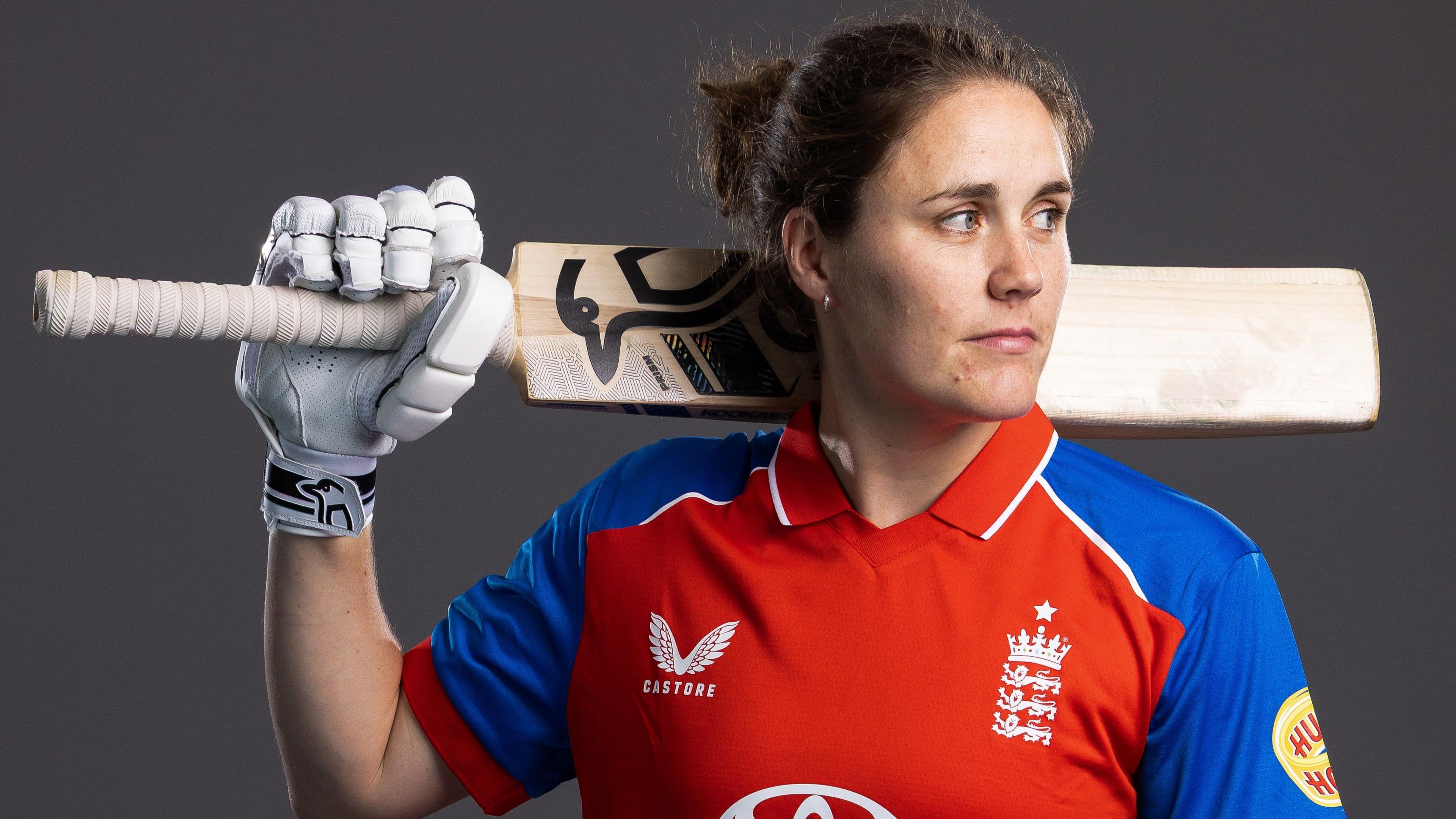
At Piccadilly Circus in London, Nat Sciver-Brunt's face towers above the summer crowds, a billboard that would have been unthinkable just nine years ago — a recognition that women's cricket has arrived. The England captain stands there alongside Sophia Dunkley and Lauren Bell, celebrating a sport transformed. And in that transformation lies a quiet but important shift: England's women will not be forced off social media during the T20 World Cup starting June 12 on home soil, marking a deliberate departure from the approach that defined their triumphant 50-over victory in 2017.
Nine years ago, the team agreed to abandon X (then known as Twitter), though some still slipped onto Instagram. The world has changed since then, and so has how young athletes navigate their digital lives. Sciver-Brunt, 33, explains the generational difference with refreshing candor: "If you asked some of our younger players to come off social media they would be like 'What? Are you joking?'" She's right. Social media has become inseparable from modern sport — a source of income through sponsorships and brand deals, a platform to build loyal followings, and a tool to promote the very tournaments that sustain the game's growth.
Rather than impose a blanket ban, England will trust players to make their own choices while offering real support to handle the toxicity that can accompany visibility. The England and Wales Cricket Board has put tools in place: independent tech companies monitor players' accounts for harmful comments and filter certain words or content from their feeds. It's recognition that scrutiny and criticism are "part of the job" as Sciver-Brunt acknowledges, but that doesn't mean players should face it alone or unprotected.
The captain knows the double edge of social media intimately. "Social media is something that can be really great if you are feeling good about yourself or playing well, but also it can be so negative on the flip side," she says. Her strategy is to stay "pretty level-headed about it" — a harder task now than in 2017, when phones held less of her attention. "I don't really remember social media taking over my life then," she reflects. "But you spend so much time on your phone these days that it's impossible not to see things."
Sciver-Brunt herself will be returning to action after missing England's recent summer fixtures due to a calf injury. She expects to be fit for the tournament opener against Sri Lanka at Edgbaston and will appear in warm-up matches against India and Australia in Cardiff, though not as a bowler. England's recent form is formidable: they chased down 181 against India on Tuesday to win the series, having also beaten defending champions New Zealand. Head coach Charlotte Edwards has confirmed Sciver-Brunt will bat at number three, with her specialist role freeing up room for bowlers Dani Gibson and Freya Kemp.
In the captain's absence, Charlie Dean has led the team and earned praise for doing it "her way," bringing her own style to the role. Sciver-Brunt wanted her to have that space for growth and development — another quiet act of leadership. The message is clear: trust, support, and the freedom to be human in the age of constant connection. For a team entering the World Cup as genuine contenders, that philosophy may be their greatest strength.