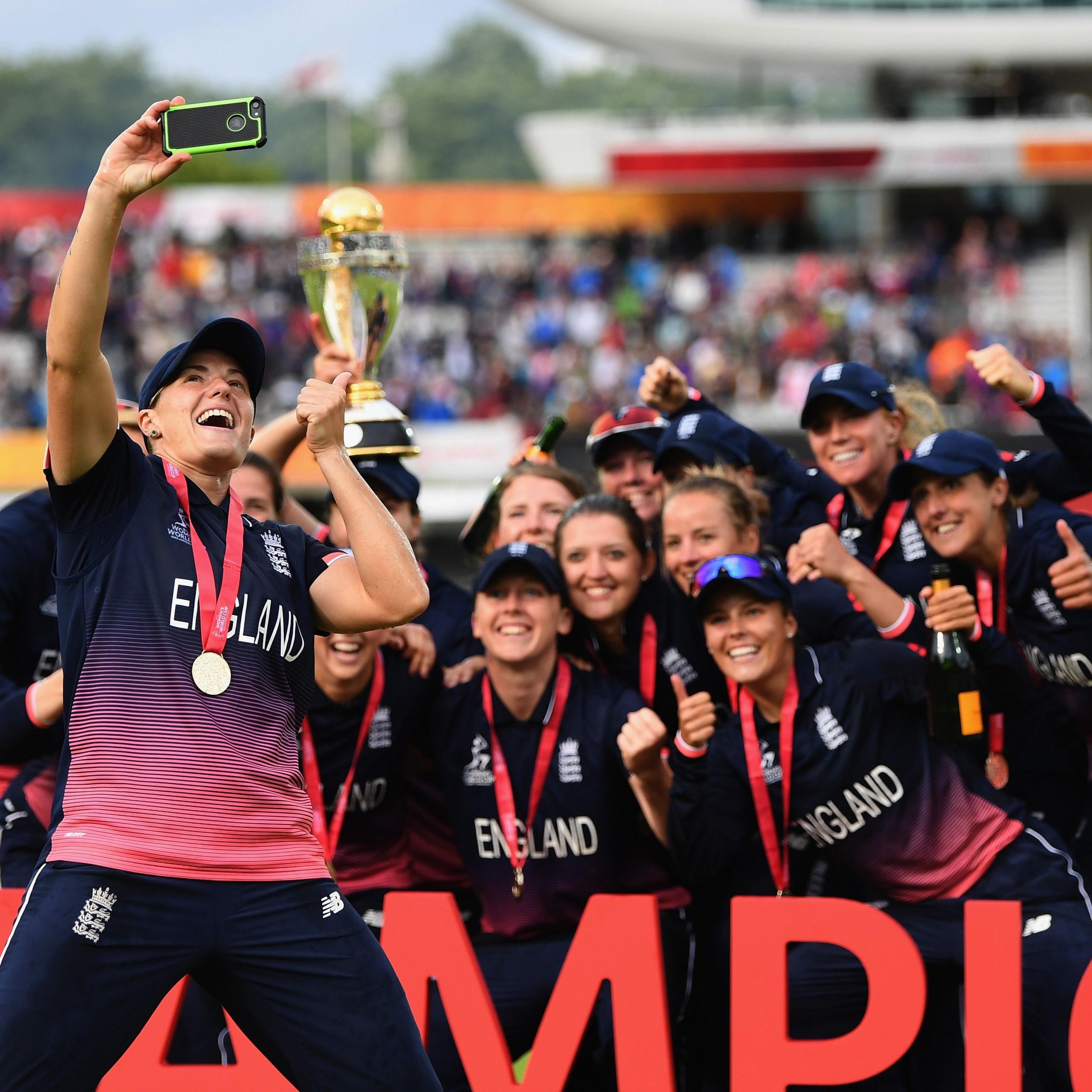
England's women's cricket team walked into a sold-out Lord's stadium in June 2017 carrying the weight of a nation's hopes and their own hard-won belief. What made that final so historic wasn't just the victory—it was the journey to get there, one paved with injuries, early defeats, and the kind of mental resilience that transforms a team into a dynasty.
Captain Heather Knight had spent the months before the tournament in a protective boot after breaking her foot on a training camp, nursing doubts about whether she'd be match-ready. Yet she chose to lead not with caution but with courage, setting a tone that rippled through the entire squad. Her breakthrough came in a group-stage match against Australia at Bristol—the first time England had beaten the Australians at a World Cup since 1993. That victory crystallized something: this team wasn't playing safe anymore. They were playing to win.
The path to Bristol, though, had been anything but smooth. England's opening game against India ended in a 35-run defeat, a loss compounded by chaos off the field—stewards at Derby wouldn't let the team enter the ground because of accreditation issues. Opener Tammy Beaumont watched her favorite bat break in those early, shaky days. Lauren Winfield-Hill was struck on the wrist by New Zealand bowler Lea Tahuhu and ruled out of the tournament opener entirely. These weren't just setbacks; they were the kind of small disasters that could have derailed a less mentally prepared squad. Instead, the team's sports psychologist helped players work through the "what ifs" that could spiral into self-doubt.
The real turning point came when Knight and Nat Sciver-Brunt struck centuries against Pakistan, piling up 377-7 runs. Victories followed in quick succession—Sri Lanka, South Africa, then Australia. But it was the smaller contributions that held it all together. Bowler Alex Hartley, nicknamed "The Destroyer," developed a reputation for removing the opposition's most dangerous hitters at crucial moments: Meg Lanning, Suzie Bates, Harmanpreet Kaur. Each wicket felt inevitable, almost orchestrated.
By the semi-final against South Africa, momentum seemed unstoppable. England chased 219 and were cruising at 139-2 when an announcement crackled across the public address system: the Lord's final had officially sold out. In that single moment, the enormity of what they were about to attempt hit like a physical blow. England lost four wickets for 34 runs—a collapse that threatened everything. Yet they held on, scraping through to reach the final that awaited them.
The squad that walked onto that grass at Lord's had been forged in shared suffering: brutal fitness sessions at Bradgate Park near Loughborough, carrying logs up hillsides, learning each other inside and out. This wasn't a collection of individual talents. As Beaumont put it, they were always more than the sum of their parts. Their 2017 World Cup win proved that sometimes the most iconic victories come not from avoiding adversity, but from running straight toward it.