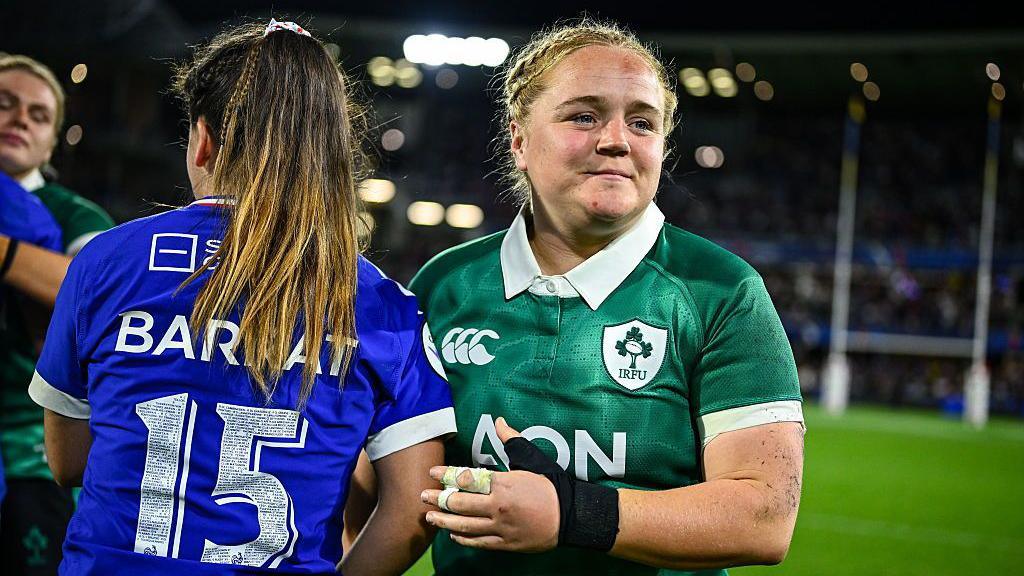
Cliodhna Moloney-MacDonald earned her 50th cap for Ireland in front of a record crowd at Twickenham during the 2026 Women's Six Nations opening match against England, and she could barely recognize the player she'd become. The 32-year-old hooker spent two years, from 2022 to 2024, outside the international squad—a gap that made the milestone feel earned rather than inevitable. Now, as she prepares for Ireland's final tournament game against Scotland at Dublin's Aviva Stadium, where over 30,000 tickets have been sold for the first standalone women's fixture at the venue, Moloney-MacDonald is rediscovering something that took years to find: joy.
"Enjoying rugby has made me play better," she told the Ireland Rugby Social podcast in a wide-ranging conversation that traced her rugby journey across a decade marked by real adversity and unexpected resilience. She made her debut in 2015, moved to England to improve after the disappointment of the 2017 World Cup, and navigated the ups and downs of a team building something entirely new. That span—from 2015 to now—is long enough to witness entire transformations, and Moloney-MacDonald is one of the only players in the current squad who lived through all of them.
What matters most to her now isn't the individual accomplishment, though the milestone at Twickenham certainly mattered. It's understanding what she's been privileged to witness and be part of. The groundwork laid by former captains Edel McMahon and Sam Monaghan when Moloney-MacDonald was absent—when they "embedded a groundwork that doesn't need to be mentioned anymore"—created a culture so solid it could carry her return. The squad, she said, is "a brilliant group of people," and that's where her mind stays.
The Aviva Stadium fixture carries its own weight. For Moloney-MacDonald, it's a deeply personal homecoming. Eight years ago, she was training in the gym beneath that same stadium at 5:30 in the morning, three times a week before work, while she played for Railway Union. "It was a dungeon!" she laughed, recalling those pre-dawn sessions in Sandymount, around the corner from where she lived. Now she'll run onto the pitch as a 50-cap international, with 30,000 people in the stands.
She's not sentimental about it in a way that clouds her thinking. Instead, she's clear-eyed about what this moment means for Irish women's rugby. If they perform, if the crowd shows up, if they win—all of which seem likely—then the Aviva becomes the new standard. "That's the standard set," she said. "Next year you're looking at more." There's a resolve in that statement, a recognition that one packed stadium isn't enough. It's the beginning of something that should continue.
What Moloney-MacDonald has learned in her decade with the squad, including the painful gap when she wasn't there, is that luck and privilege aren't passive states. You feel them most when you've been without. That understanding, she believes, is what makes her play better now. She competes hard—always has—but she does it in full awareness of how fortunate she is. As Ireland heads into their final Six Nations match at the Aviva, that combination of competitive fire and genuine gratitude might be exactly what they need.