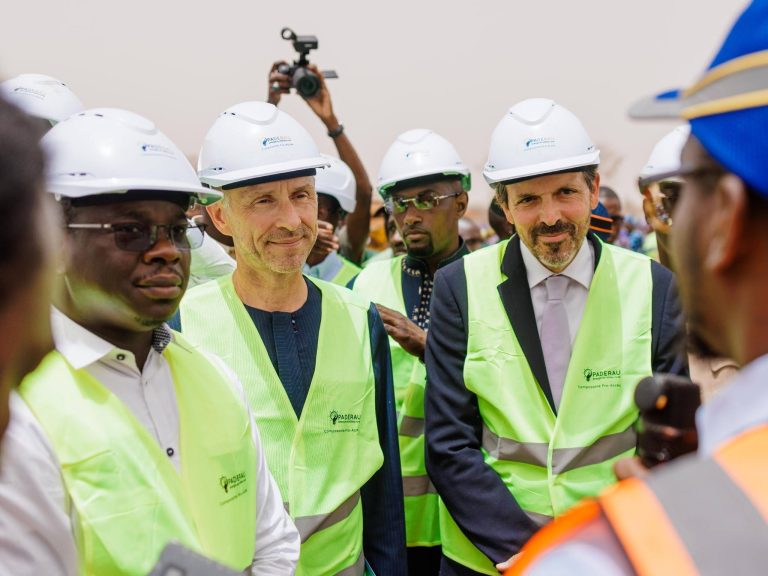
In a small farming village in Senegal, a young woman might soon run a cold storage unit that keeps her vegetables fresh until they reach market—thanks to a new partnership bringing clean electricity and business support together. The European Union is backing a collaboration between two Senegalese agencies that moves beyond simply connecting homes to the grid. Instead, the goal is to help rural entrepreneurs actually use that electricity to build businesses, create jobs and strengthen their communities.
The program links the General Delegation for Rapid Entrepreneurship for Women and Youth, known by its French initials DER/FJ, with the Senegalese Rural Electrification Agency, called ASER. Together, they will combine reliable power with financing, training and hands-on business help for enterprises that have long struggled to grow.
"Access to electricity alone is insufficient to unlock sustainable economic growth unless accompanied by productive investments that generate income and employment," the partners stated.
The initiative targets sectors where electricity can make the biggest difference: agriculture, food processing, fish farming, cold storage for keeping produce fresh, and digital services like mobile money. These areas were chosen because they can create jobs while multiplying the economic benefits of getting villages connected.
Women and young people face the steepest barriers to success in rural Africa. They often cannot get loans, lack technical skills and have fewer connections to markets. The program specifically reaches out to these entrepreneurs, offering not just money but coaching on how to run a business that lasts.
Senegal has become one of West Africa's leading markets for renewable energy over the past decade. The country has invested heavily in large solar and wind farms, working to reduce its dependence on fossil fuels and bring down electricity costs for families and businesses alike. Still, huge gaps remain between cities and countryside, where weak infrastructure holds back farms, small factories and essential services.
The European Union sees this work as part of its Global Gateway strategy, a worldwide effort to fund sustainable infrastructure in partner countries. It also fits within the Just Energy Transition Partnership with Senegal, which supports the country's push for universal electricity access while expanding clean energy.
Experts say the shift matters. Rather than counting success only by how many households have power, policymakers now ask how that electricity helps people earn a living. A refrigerator that prevents crops from rotting, a water pump that irrigates fields, a computer that connects a entrepreneur to online customers—these are the concrete changes the partnership hopes to unlock across rural Senegal.