On the rooftop of a Barcelona office building or a German farmstead, solar panels now catch the sun's rays with a purpose that would have seemed distant just sixteen years ago. What was barely a whisper in Europe's energy mix in 2008—just 1% of renewable energy—has become a thundering force: solar now accounts for over 23% of the EU's renewables, poised to overtake hydroelectric power within years. This transformation tells a larger story about how Europe's green economy is reshaping itself, creating jobs, building wealth, and fundamentally reimagining what energy independence looks like.
The broader picture is striking. Across the European Union, renewables now power nearly 50% of the bloc's energy needs, with countries like Austria and Sweden already meeting 90% of their electricity from wind, water, and sun. Yet growth numbers tell an even more compelling story: the EU's green economy has nearly doubled in less than a decade, expanding from around €700 billion in 2014 to €1.33 billion in 2023—a 61% surge that reflects both environmental ambition and economic opportunity.
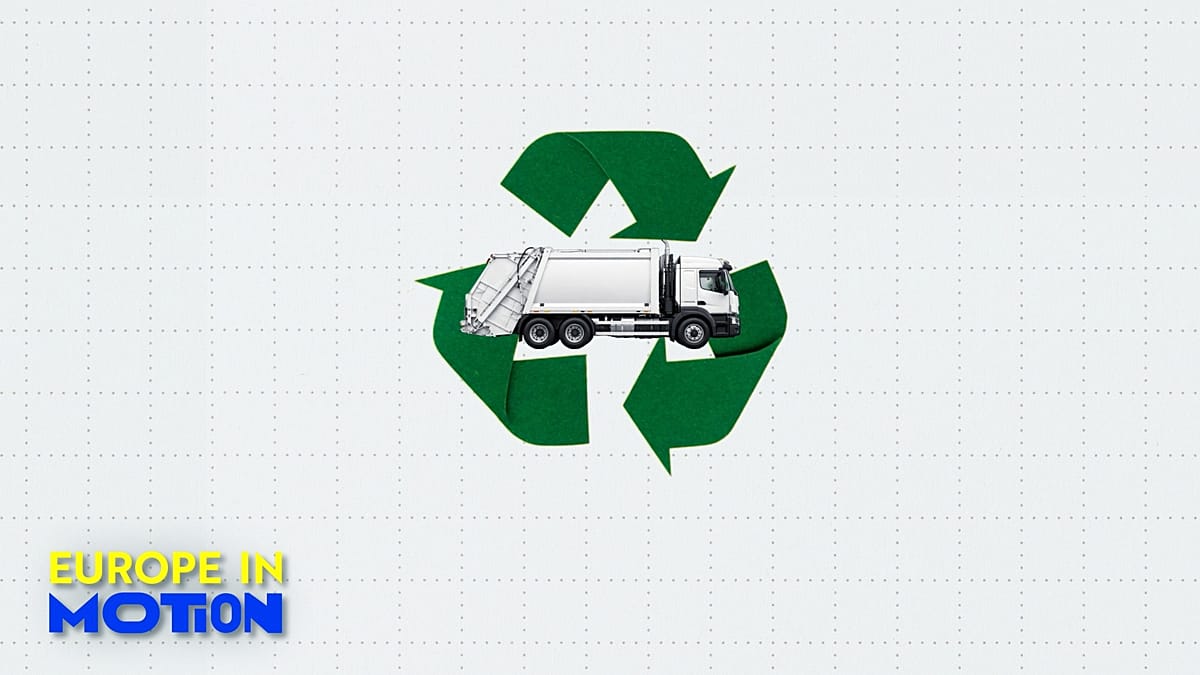
That growth is translating directly into livelihoods. In 2014, the EU's green economy employed just 3.6 million people. By 2023, that number had climbed to 5.8 million—more than two million new jobs in less than a decade, with an average annual growth rate of 5.5 percentage points. But not all green sectors are created equal. Waste management has emerged as the undisputed economic heavyweight, generating more than €200 million annually and jumping 78% in just ten years. It also leads in employment, with nearly one million workers across the bloc. Energy savings comes in second, employing over 800,000 professionals, followed by renewables itself at 785,000 workers and soil and groundwater protection at nearly 680,000.
Wind remains the largest renewable source at 38% of EU green energy, and hydroelectric power holds steady at 26%, but solar's trajectory is the story that matters now. Experts predict it will overtake hydropower in energy production within years—a prediction rooted in real momentum rather than wishful thinking. In just sixteen years, the continent has built out solar infrastructure at a pace that once seemed impossible, transforming both the technology and the economics of clean power.
Yet this growth engine faces new headwinds. Following the 2024 European elections, which saw gains for more conservative political parties with less environmentally-friendly platforms, the EU's political landscape shifted. In February 2025, the European Commission introduced the Omnibus I package—a set of proposed law changes designed to reduce regulatory burden on businesses, particularly around environmental requirements. Critics argue it amounts to deregulation disguised as simplification. Separately, the Commission suspended negotiations on the Green Claims Directive, intended to combat greenwashing, and shelved a pesticide-reduction proposal following farmer protests. The Nature Restoration Law, which sets binding targets to restore degraded ecosystems, was watered down.
Whether Europe's green economy can maintain its steady 8% average annual growth rate—the pace it has held since 2014—now depends partly on political will. The facts on the ground are clear: renewable energy is growing faster than anyone predicted, waste management and energy efficiency are generating real wealth, and millions of workers are building careers in sectors that barely existed a generation ago. The question is whether European policymakers will continue to clear the path forward or step back.