In northern Italy, a monastery founded nearly a thousand years ago is bustling with life again. Polirone Monastery, built in 1007, had fallen into disrepair after earthquakes damaged its structures, but a sweeping restoration has transformed it into a thriving hub where museums, cultural institutions, classrooms and community organizations now share space under restored historic roofs. It's one of five major European cultural heritage projects honored at the Europa Nostra Awards 2026, and their collective story reveals something vital about how the continent is rethinking preservation itself.
These aren't projects locked behind velvet ropes. What unites the Polirone Monastery complex in Italy, Banffy Castle in the Romanian village of Riscuța, Din l-Art Ħelwa's decades-long conservation work in Malta, Ireland's historic building energy efficiency initiative, and The Cypriot Fiddler's documentation of traditional music is a shared conviction: heritage matters most when people use it, live in it, and build futures from it.
The restoration of Polirone Monastery illustrates this shift concretely. Beyond stabilizing walls and reversing earthquake damage, the project introduced lifts, ramps and tactile guidance systems—making a thousand-year-old monastery accessible to everyone. It wove in energy-saving solutions that protect the historic interiors while reducing environmental impact, proving that old buildings can meet modern climate goals without sacrificing their character. The monastery now hosts educational facilities and meeting spaces alongside its museums, turning one of Italy's most historically significant religious sites into an active community destination.
Banffy Castle in Riscuța took a similar approach. Its restoration work—painstaking archival research that guided the recovery of historic interiors, carved ceilings, fireplaces, stained glass and wooden details—earned enough public support to win a public voting category at the awards. Today the castle serves local residents, tourists and heritage professionals through educational programs, community events and public access. It's generating economic activity while preserving irreplaceable craftsmanship.
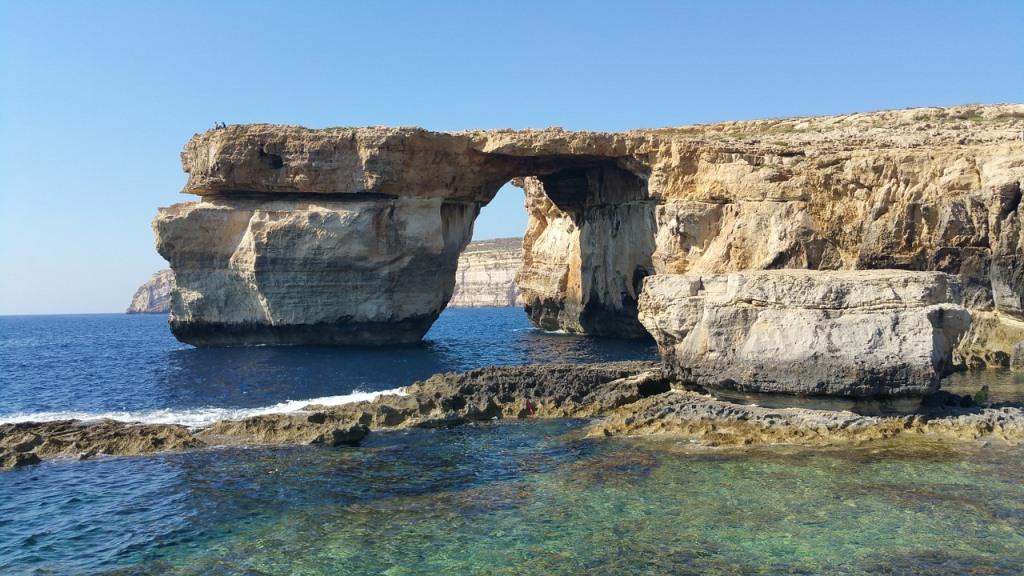
The awards also recognized less visible but equally essential work. Din l-Art Ħelwa, Malta's volunteer organization, has spent decades protecting landscapes and historic buildings threatened by modern development. The Cypriot Fiddler documented disappearing musical traditions and oral histories from traditional violin musicians, capturing not just melodies but dialects, local vocabulary and community stories that rarely make it into written archives. Ireland's historic building energy efficiency project tackled a quieter challenge: helping older structures adapt to modern climate goals without damaging their heritage value.
Europa Nostra Awards, regarded among Europe's most important heritage recognitions, are highlighting a sector in transformation. Where preservation once meant isolation—protecting heritage from the living world—these projects show it increasingly means integration. They're proving that historic buildings can be museums and workplaces and schools, that traditional knowledge can be documented and shared beyond aging practitioners, that a castle or monastery or landscape matters not because it's frozen in time but because it remains woven into how people live.
This matters enormously as Europe confronts both climate change and rapid development. Cultural heritage isn't a luxury to preserve despite modern life—it's a resource for building sustainable, rooted futures. These five projects, scattered across the continent from Ireland to Cyprus to Romania, demonstrate that the question is no longer whether to preserve or develop, but how to do both at once.