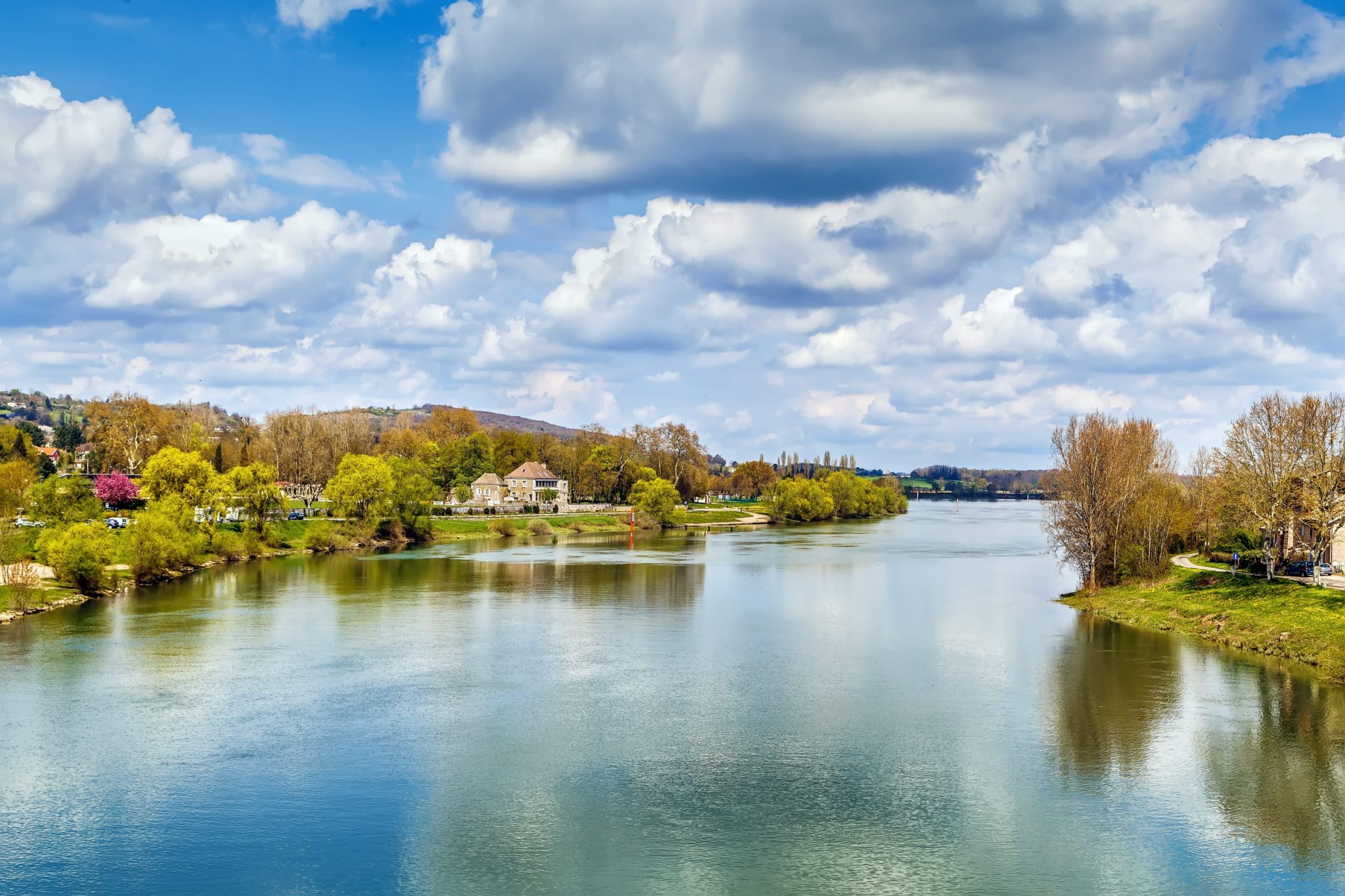
The River Melsá in northern Iceland now flows freely for the first time in decades, its waters no longer held back by a crumbling dam that once powered a long-abandoned hydro station. Sheep had taken over the derelict powerhouse, a quiet symbol of a structure that had outlived its purpose. In December 2025, engineers from Scottish firm CBEC helped dismantle it—the first intentional dam removal in Iceland’s history. “It wasn’t providing any electricity,” said river engineer Hamish Moir. “To see the river restored to its natural state was really rewarding.” That single act was a quiet milestone in a much larger transformation sweeping across Europe.
For centuries, Europe’s rivers were engineered into submission—dammed for power, straightened for shipping, buried beneath cities. Today, the tide is turning. In 2025, a record 602 river barriers were removed across the continent, reconnecting 2,324 miles (3,740 kilometers) of waterways and marking an 11 percent increase from the previous year, according to Dam Removal Europe. This surge brings the continent significantly closer to its ambitious goal of restoring 15,500 miles of rivers by 2030 under the EU’s nature restoration law, enacted in 2024.
The pace of change is accelerating. Since the first official count in 2020, river barrier removals have increased sixfold. Sweden led the way in 2025 with 173 removals, followed by Finland (143) and Spain (109). Even nations new to the effort, like Iceland and North Macedonia, took down barriers for the first time. Over three-quarters of the structures removed were less than two meters high—obsolete weirs and defunct mill dams that once served local economies but now only disrupted fish migration and sediment flow.
The ecological stakes are high. Freshwater migratory fish populations in Europe have plummeted by 75 percent since 1970, largely due to river fragmentation. Dams block spawning routes, alter water temperatures, and starve downstream ecosystems of vital nutrients. “We built our prosperity by fragmenting our rivers,” said Chris Baker, director of Wetlands International Europe, “but the ecological price has been enormous.”
Yet restoration is not without complexity. A 2024 study led by biologist Ellen Dolan of Queen’s University Belfast highlighted a “connectivity conundrum”: removing barriers can also enable the spread of invasive species. Still, experts agree that with careful monitoring and long-term management, these risks are manageable compared to the overwhelming benefits of reconnected rivers.
With more than a million barriers still fragmenting European waterways—many of them obsolete—the work is far from over. But 602 removals in a single year proves momentum is building. Rivers, once silenced, are beginning to speak again.