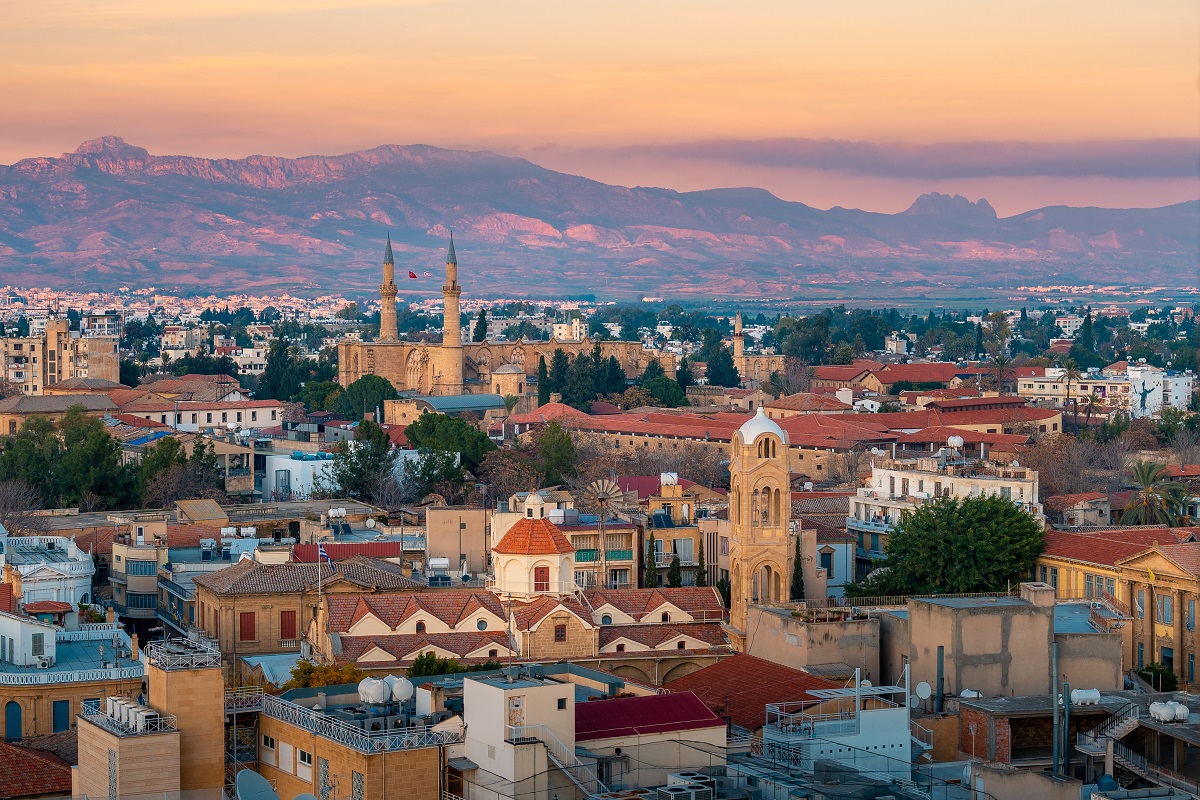
When Nicosia opens its doors from May 26 to 30, 2026, the Mediterranean will be at the center of a conversation about what heritage means for the future of Europe. The European Cultural Heritage Summit, organised by Europa Nostra under the patronage of Cyprus's EU Presidency, is bringing together leaders, policymakers, and heritage champions to ask a deceptively simple question: what is the soul of Mare Nostrum—our shared sea?
The summit arrives at a moment when cultural heritage is no longer a luxury debate confined to museums and academics. As Europe grapples with geopolitical fractures, climate pressures, and questions about how communities hold together, the role of heritage—the tangible and intangible threads that connect us—has become urgent and practical. "Heritage as the Soul of Mare Nostrum," the summit's guiding motto, positions cultural preservation not as nostalgia but as a tool for understanding identity, resilience, and shared responsibility across a region that has known conflict and connection in equal measure.
The five-day programme is dense with substance. It begins on Tuesday evening with an "In Varietate Concordia" talk hosted at the Leventis Museum, setting the philosophical stage. Wednesday brings a carefully curated experience: participants will visit the Leventis Gallery and Municipal Museum of Nicosia, then shift into the ceremonial core of the summit—the European Heritage Excellence Day 2026, where winners of the prestigious European Heritage Awards present their work. That evening, the Mayor of Nicosia, Charalambos Prountzos, hosts a welcome reception at the Old Town Hall, anchoring the conversation in the lived city.
The awards ceremony on Thursday evening crystallises the summit's reach. Costas Kadis, the European Commission's Commissioner for Fisheries and Oceans, will attend in person, while Glenn Micallef, Commissioner for Intergenerational Fairness, Youth, Culture and Sport, will send a video message of congratulations. The President of the Republic of Cyprus, Nikos Christodoulides, will be present. The participation of such senior figures signals that Europe's institutions are taking heritage seriously as a policy matter, not merely a cultural one.
But the summit's real work lies in its forums and agoras. Friday's European Heritage Policy Agora focuses explicitly on "Mare Nostrum: Championing Environmental Sustainability through Heritage"—recognising that heritage sites and practices are vulnerable to climate change and that conservation itself requires environmental thinking. The European Heritage Hub Forum explores "Mare Nostrum: Fostering Peace through Heritage," acknowledging that in a region where history can divide, shared cultural memory can also heal.
The summit is supported by formidable partners: the European Commission, The A. G. Leventis Foundation from Cyprus, the Cultural Protection Fund of the British Council, and the Calouste Gulbenkian Foundation. This mix of institutional and philanthropic backing reflects a conviction that heritage preservation requires sustained, collaborative investment.
For anyone working in culture, policy, conservation, or community development, the summit represents a rare convergence—a moment when Europe's leadership is explicitly asking how the past shapes the future, and how the Mediterranean's shared heritage might become a foundation for more resilient, connected societies. Nicosia, divided yet enduring, is the fitting stage for these conversations.