On May 20, 2026, Bojangles flipped the switch on its first-ever on-site EV charging station, and with that single plug, one of the Southeast's most beloved quick-service restaurants joined a quiet revolution reshaping how Americans refuel—both their cars and their appetites.
The Southern-style eatery's debut charging hub marks a turning point in a conversation that seemed, not so long ago, deeply fractious. When federal EV tax credits were eliminated last September, skeptics declared the electric vehicle movement wounded, perhaps mortally. Instead, what emerged was something more resilient: businesses doubling down on EV infrastructure because they understand a fundamental truth that transcends politics. Millions of Americans already own electric vehicles, and those vehicles aren't disappearing.
Bojangles chose Savannah, Georgia for this flagship launch—a strategic choice that signals confidence in the region. The Southeast, despite its red-state political landscape, has proven surprisingly EV-friendly. After the tax credit's elimination triggered a sharp sales decline in the fourth quarter, the Southeast Alliance for Clean Energy spotted early recovery signals in December data, with sales already trending upward again. Bojangles' parent company is betting that recovery continues, and the "charge-and-dine" model gives them a seat at the table as it does.
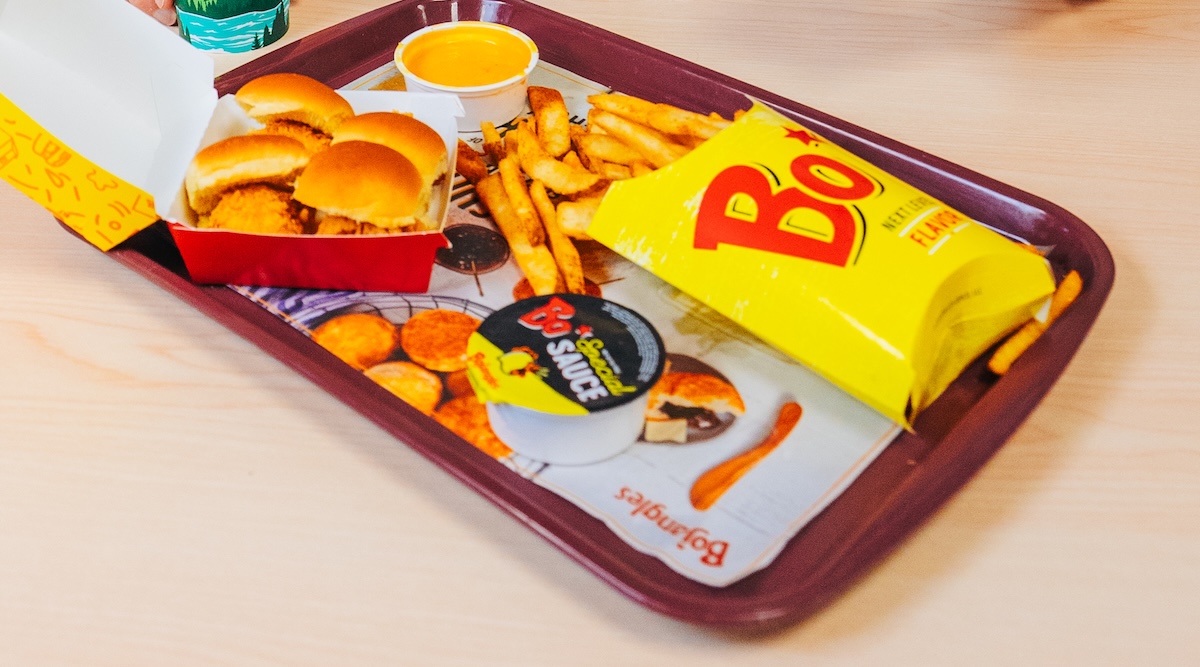
The company framed the initiative with language that captures how businesses now see EV infrastructure: not as a burden, but as an asset. Chief Information Officer Richard Del Valle put it plainly: "With EV charging, time becomes an asset. We're turning that stop into something meaningful: a chance to relax, refuel and enjoy a true Bojangles experience." The station transforms what would otherwise be dead time—waiting for a battery to charge—into an opportunity to sample their new Chicken Rippers and experience their hospitality. It's a model already proven by competitors like Cracker Barrel and Waffle House, and now Bojangles is catching up.
The timing aligns with broader momentum in electric vehicle adoption across the country. Rivian just secured a $4.5 billion loan guarantee from the federal government for a new Georgia factory. Slate Auto and Rivian are both planning new EV launches through 2027. Used electric vehicles are flooding the market, creating long-term demand for accessible public charging. These aren't the conditions of a fading trend—they're the foundation of a maturing market.
Bojangles' statement that it's "supporting broader adoption of electric vehicles and reshaping expectations for what a quick-service restaurant can be" carries weight precisely because it comes from a pragmatic business, not an environmental advocacy group. The company operates 870 owned and franchised sites across 23 states, with 351 stores in North Carolina alone. This first Savannah station is, by their own account, just the beginning of a rollout—a commitment that only makes financial sense if they believe in the economics.
What makes this moment worth noting isn't the single charging station. It's the message it sends: the supposed war on EVs wasn't a war at all. It was a market working itself out. Consumers want efficiency and sustainability. Businesses want foot traffic and loyal customers. And it turns out those goals align beautifully when there's a charging cable and a basket of seasoned chicken waiting on the other side of a short meal.