When Gulf American bought nearly 500,000 acres of south Florida wetland in the 1950s with dreams of building America's largest suburban housing development, the swamp had other plans. The company carved four massive canals through Picayune Strand—a vast, nearly rectangular wetland northwest of Everglades National Park—and crisscrossed it with causeways and roads, all meant to drain what they couldn't conquer. But the landscape resisted. An elevation difference of just two feet made the land virtually impossible to dry out, flooding rendered their dream unlivable, and Gulf American went bankrupt, leaving behind scarred earth and abandoned ambitions.
What came next was an act of ecological reversal: two decades of meticulous restoration that has transformed Picayune Strand back into functioning wetland. Starting in 1985, conservationists—including the Everglades Foundation, the Conservancy of Southwest Florida, and the U.S. Army Corps of Engineers—began quietly buying up the private land Gulf American had sold off piece by piece. By 2004, after years of what one observer called "tedious lawyer's work," they had consolidated the entire area into a conservation package. Then the real work began: tearing up roads, pulling the construction materials back out of the canals, and restoring the hydrological patterns that had defined the Everglades for millennia.
The water returned. Where the Everglades had historically functioned as a vast "river of grass"—millions of acres flowing slowly in the same direction at the same glacial pace, a phenomenon called "sheet flow"—the plugged canals helped restore that natural rhythm. Vegetation surged back, not always in ideally planned ways, but the continual water bodies blocked invasive upland plants from spreading south. Native species that had vanished during the drainage years began reappearing: wild sunflowers, plants that had missed the wetness so long they seemed to remember it.
Michael Duever, an ecologist who has monitored the project from its inception, put the achievement in stark terms when speaking with Yale News. The Picayune restoration, he said, has reached "90 plus-or-minus percent" restoration toward its pre-drainage state—a remarkable figure for a landscape that had been so thoroughly engineered for destruction. The remaining 10 percent reflects unavoidable compromises: three pump stations still manage rainwater for the few residents remaining in the area, keeping water levels sometimes higher and sometimes lower than they would be naturally. It's a pragmatic acknowledgment that restoration doesn't mean erasure of all human presence, just a rebalancing of who gets to thrive.
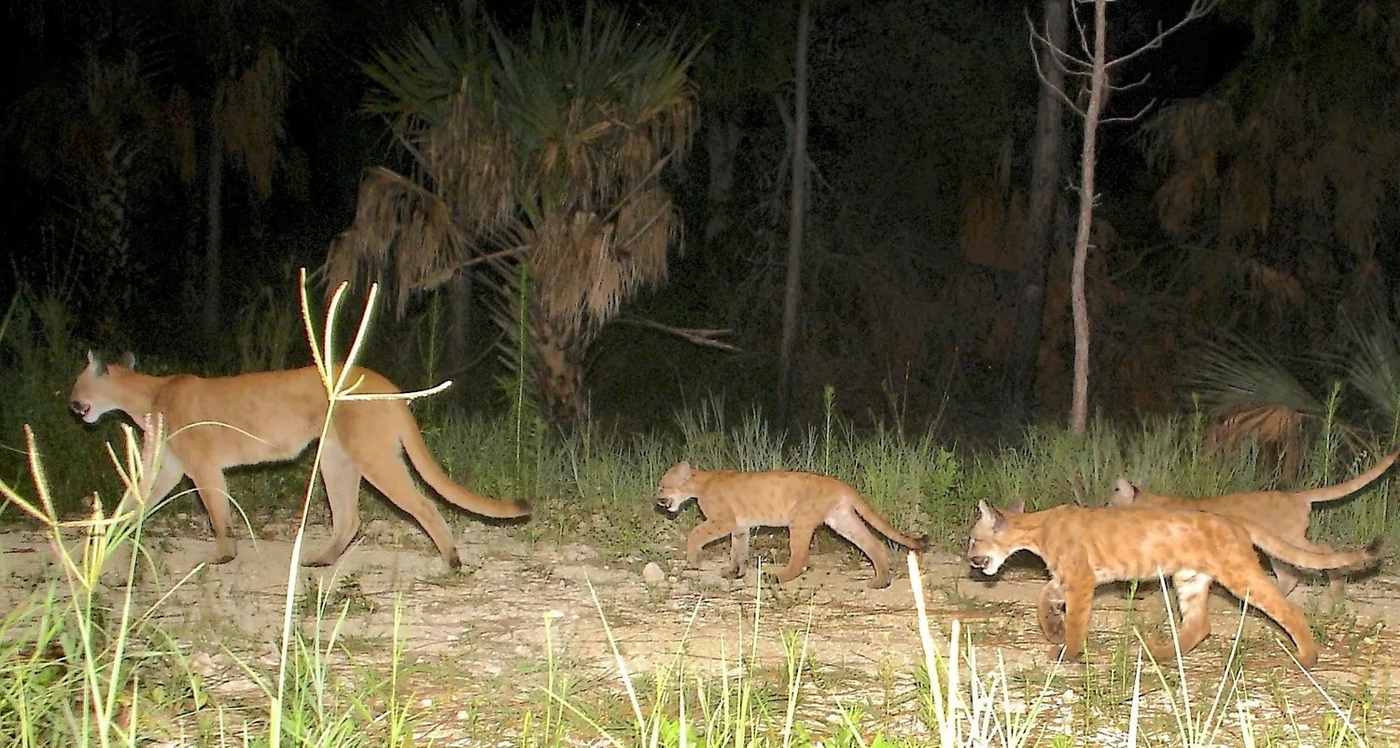
The ecological ripples are already visible. The restored Picayune is expected to benefit endangered species like the red-cockaded woodpecker and the Florida panther. The bonneted bat—Florida's largest bat species, with a wingspan exceeding a foot—has already responded to increased insect abundance across the restored wetland. Stephen Davis, chief science officer at the Everglades Foundation, sees something larger in Picayune's transformation. "I kind of view Picayune Strand as a microcosm of the entire plan," he told Yale News, referring to the broader Everglades Restoration Plan launched in 2000.
What Picayune Strand demonstrates is this: landscapes drained and broken by industrial ambition can heal if we commit to the long, patient work of restoration. Twenty years is a long time, but it's nothing compared to the centuries the Everglades took to form. The swamp is reclaiming what was stolen.