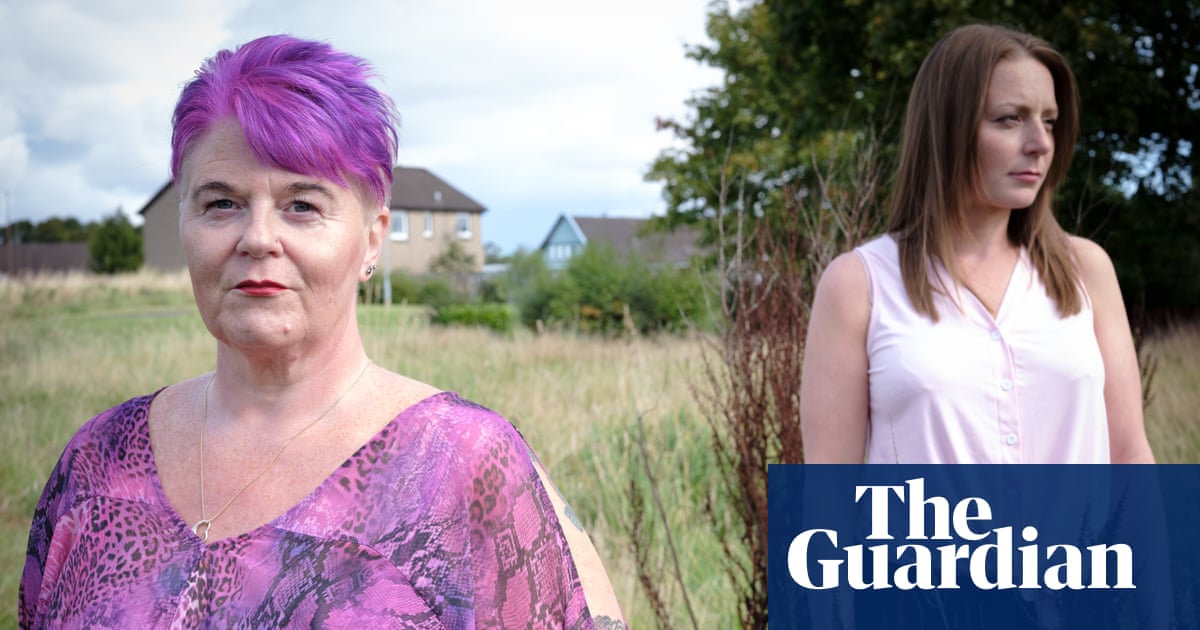
Wendy Barker was six years into motherhood when her daughter Laura first witnessed the full force of her rage: locked out of the house, Wendy reversed her car and rammed the garage door repeatedly—seven times—while her child cowered in the back seat. It was a rupture in a pattern of carefully hidden suffering. For decades, the 56-year-old had contained her explosions until her children slept, only to have them burst free at moments of stress. "If my husband came home slightly late, plates and knives would fly," Barker recalls. But no doctor could explain it.
The symptoms followed a clock so precise it became her compass through confusion. For one week each month, the rage, screaming, and tears would vanish entirely. For the following three weeks, they would return with the relentlessness of a coiled spring. When Barker pleaded with doctors that something beyond depression was driving her behaviour, they guessed bipolar disorder. She knew better. She tracked her symptoms obsessively, mapping the pattern that conventional psychiatry couldn't see.
In 2000, watching a BBC daytime episode of Kilroy on postnatal depression, Barker saw Dr Katharina Dalton—the researcher who coined the term premenstrual syndrome—on the panel. She tracked Dalton down. The diagnosis Dalton offered would transform her life: premenstrual dysphoric disorder, PMDD. Three words that explained two decades of her own internal war.
At the time, almost no doctor had heard of it. PMDD would not become officially recognized in the Diagnostic and Statistical Manual of Mental Disorders until 2013—thirteen years later—and the World Health Organization would not acknowledge it until 2019. Current research suggests PMDD affects up to one in 20 women of reproductive age, yet formal diagnosis reaches only 1.6% of those affected. A third of those diagnosed have attempted suicide. The gap between suffering and recognition remains vast.
Barker's daughter Laura, now 37, remembers the household before treatment. "I'd feel sad because she'd be crying—I hated seeing her so upset," Laura says, recalling the "big, fiery" arguments between her parents. For Barker, the cycle of rage, remorse, and apology became unbearable. She harboured deep guilt over what her children had witnessed, what they had internalized during years when no one could name her condition.
The turning point came through an unexpected avenue. Consultant gynaecologist Prof John Studd tried oestrogen implants with Barker—a treatment that had shown promise in clinical trials. "It was the only thing that worked—my symptoms disappeared," she says. Life on the implants was, in her word, "heaven." But the NHS refused to fund treatment for a condition classified as a syndrome rather than a disease. Undeterred, Barker fought: she wrote to doctors, to MPs, searching for any pathway to afford the care that had reclaimed her life.
The battle turned personal and costly. She paid £600 every six months to travel from her new home in Edinburgh to London for implant replacements, draining her savings. Her daughter once lent her £1,000 when funds ran dry—an inversion of the childhood years when Laura had needed her mother to simply be well. Today, PMDD finally has a name, recognition, and the UK's first dedicated charity. For Barker, the journey from unexplained rage to understanding has meant something quieter and perhaps more profound: her family's silence breaking into words that finally fit.