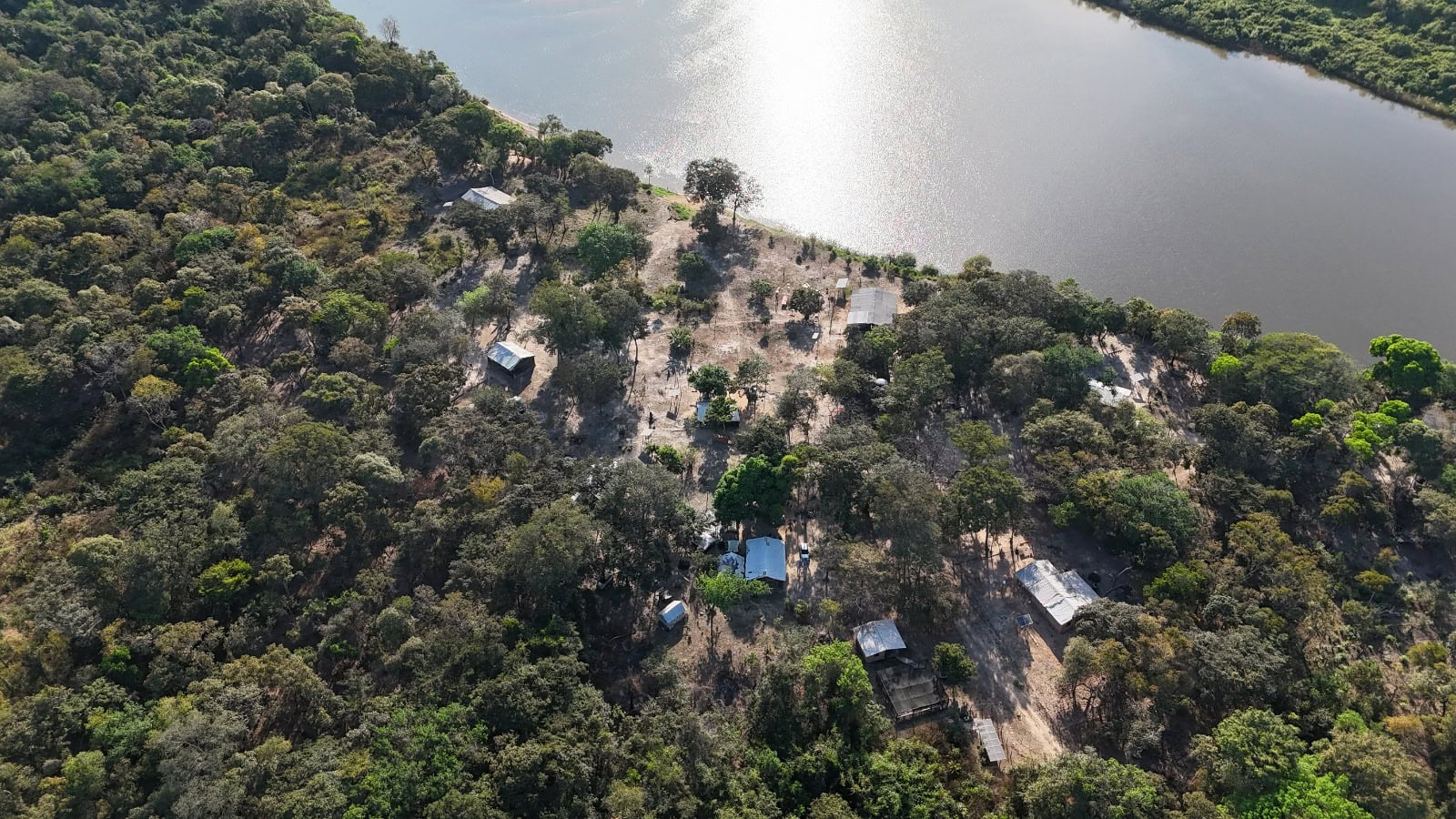
On the banks of the Javaé River in Tocantins, Brazil, three Indigenous communities are writing a new story for their land — one where degraded soil becomes a living forest again.
The Krahô, Krahô-Kanela, and Avá Canoeiro (Ãwa) Peoples are working together on a project called Agrobiodiversity in Tocantins. Over the next four years, they plan to restore roughly 300 hectares of land — about 420 soccer fields worth — in their own territories. The work blends the wisdom Indigenous communities have used for thousands of years with modern ecological science.
"When we care for our territory, we are caring for our own lives and for the future of the generations to come," said Indiarrury Cãn Krahô, a leader of the Krahô People and member of ACT-Brasil's technical team.
The project is led by ACT-Brasil, a nonprofit focused on protecting the Amazon. Funding comes from the Amazon Fund, a major Brazilian conservation program, with support from BNDES, Brazil's federal development bank, and the Brazilian Foundation for Sustainable Development.
What makes this effort different is its approach. Instead of outsiders deciding what to plant where, the communities themselves are guiding the restoration. Each group will use methods that fit their land, their crops, and their traditions — planting native tree species, building agroforestry systems that mix crops and trees, and drawing on knowledge passed down through generations.
Agrobiodiversity is at the heart of the project. That word sounds technical, but it simply means the rich variety of seeds, crops, and farming practices that Indigenous peoples have developed over centuries. In these communities, agrobiodiversity means food on the table, healthy soil, and a way of life that keeps culture and nature intertwined.
"Restoration is important because it cares for the land, restores the soil, strengthens our food security, keeps our soils healthy, supports income generation, and ultimately improves our quality of life," explained Cãn Krahô.
The work goes beyond planting trees. Restored land helps clean water sources, invites wildlife back, removes carbon from the atmosphere, and gives communities new ways to earn a living. The project also trains people to lead restoration efforts themselves, building skills and confidence that will last far beyond the four-year timeline.
This work is part of a larger program called Restaura Amazônia, which supports ecological restoration across seven Brazilian states. But at its core, the Agrobiodiversity in Tocantins project is about something deeper: proving that when Indigenous communities lead the way, the land — and the people who depend on it — can heal together.