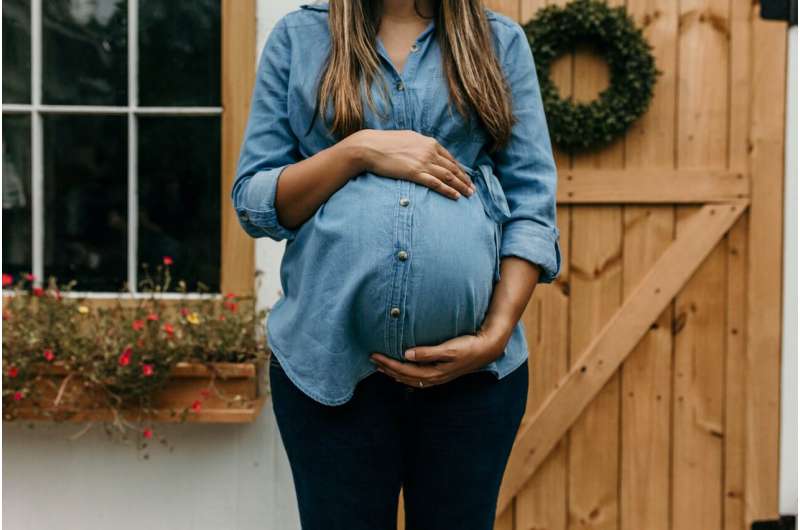
A comprehensive new study has found that pregnant women carry an average of 45 different everyday chemicals in their bodies—chemicals linked to preterm birth and lower birth weights, outcomes that shape a child's health for life. The research, published in JAMA Network Open and led by scientists at the UNC Gillings School of Global Public Health, Stanford University School of Medicine and the Woods Institute for the Environment, examined more than 5,000 mother-child pairs born between 2000 and 2021, testing maternal urine samples for 113 different chemicals commonly found in homes, food, air and water.
The chemicals detected included phthalates, replacement plasticizers, polycyclic aromatic hydrocarbons and halogenated phenols—substances embedded in everything from food packaging and personal care products to fragrances and household objects. While some of these compounds have faced regulatory action, the study found that newer chemicals introduced to replace banned substances carried similar health risks to the ones they replaced.
"These chemicals are difficult to avoid because they're found in a wide range of products we use every day," said Jessie Buckley, Ph.D., professor of epidemiology at the Gillings School and the study's first author. "It can be difficult to know whether products contain them, and even when we do know, we have limited control over exposures." Yet Buckley emphasized that the findings point to a clear solution: "Reducing harmful chemicals at the source is the most effective way to protect children and families."
The study found that several phthalates and alternative plasticizers showed a consistent association with earlier delivery, while phthalates, replacement plasticizers and polycyclic aromatic hydrocarbons were also linked to lower birth weight. In 2017, the U.S. Consumer Product Safety Commission permanently banned or severely limited eight common phthalates in children's toys and products, but those restrictions did not address products used during pregnancy. Tracey Woodruff, Ph.D., senior researcher and professor of epidemiology and population health at Stanford, argued that the new findings make the case for stronger policies.
"Our study highlights the need for stronger policies to protect people from toxic chemicals," Woodruff said. "We found that several newer chemicals used to replace toxic ones are also harmful, which underscores why new and replacement chemicals must be properly evaluated before they are put on the market." She added that government agencies evaluating the health risks of chemicals like phthalates should incorporate these findings to reduce exposures and support healthier pregnancies. "Pregnant people are at risk of chemical exposure through multiple sources, many of them beyond their control," Woodruff continued. "Governments and companies need to do a better job of reducing harmful chemicals in everyday products and ensuring new chemicals are safe, which will lead to healthier children and families."
The researchers are calling on regulators to act on their findings, arguing that the science is clear: preventing harmful exposures at the source is the most effective path to protecting the youngest and most vulnerable members of society.