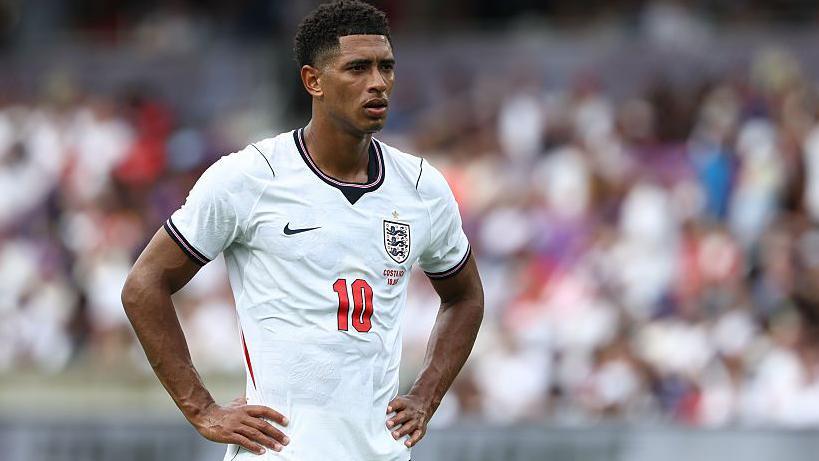
As England midfielder Jude Bellingham prepares to step onto the field in Arlington, Texas next Wednesday, he carries a lesson learned the hard way: winning means nothing if the team doesn't feel the love.
Bellingham's message comes as England prepares to face Croatia in their opening match of the 2024 World Cup in North America—a tournament that kicked off on Thursday when Mexico defeated South Africa 2-0. The stakes are high for England, a team that reached the Euro 2024 final only to fall to Spain in a heartbreaking defeat. That tournament left scars. The English squad, managed at the time by Gareth Southgate, faced relentless criticism for lackluster performances, and Bellingham himself became something of a scapegoat for the nation's failure to claim a major trophy.
But something has shifted in the camp since then, and Bellingham isn't shy about naming what went wrong before. Speaking on England's Lions' Den show, he acknowledged a fundamental disconnect during the Euros. "I don't feel like the group connected as well as it could have," he said, pinpointing expectation as a key culprit. England had performed well in 2018 and in Qatar for the 2022 World Cup, positioning themselves as one of only two or three teams expected to win Euro 2024. That weight crushed something essential. "Even when we were winning you didn't get the feeling you were as happy as you should be," Bellingham reflected.
The midfielder's diagnosis reveals a paradox at the heart of elite sport: success without joy is hollow. Victories in football, he noted, have a way of disappearing from the system quickly—the elation evaporates almost as soon as the final whistle sounds. What matters is holding onto those moments, savoring them, and letting them fuel the next push forward.
This time, Bellingham insists, will be different. Experience has taught him something crucial: the player who scores the winning goal in a World Cup final isn't always the one you'd predict. Unpredictability demands constant readiness, yes, but more importantly, it demands that everyone in the squad feels genuinely valued. "Everyone's got to feel loved and feel a huge part of the team," he said. It's a simple statement with profound implications. In a tournament decided by millimeters and moments, confidence born from feeling supported by your teammates can be the difference between lifting the trophy and going home empty-handed.
Bellingham's emphasis on connection and collective well-being signals a tactical shift in how England approaches this summer's competition. They're not just preparing a starting eleven; they're building a culture where depth players, substitutes, and staff all feel they belong. It's a philosophy that contradicts the old notion that winning is a solo pursuit, or that only the headline players matter.
As England's tournament begins in earnest next Wednesday, they'll carry this lesson forward. If Bellingham and his teammates can marry their technical quality with this newfound emphasis on unity and genuine affection for one another, they just might accomplish what eluded them in Europe. The goal, it seems, isn't just to win—it's to enjoy the journey while doing it.