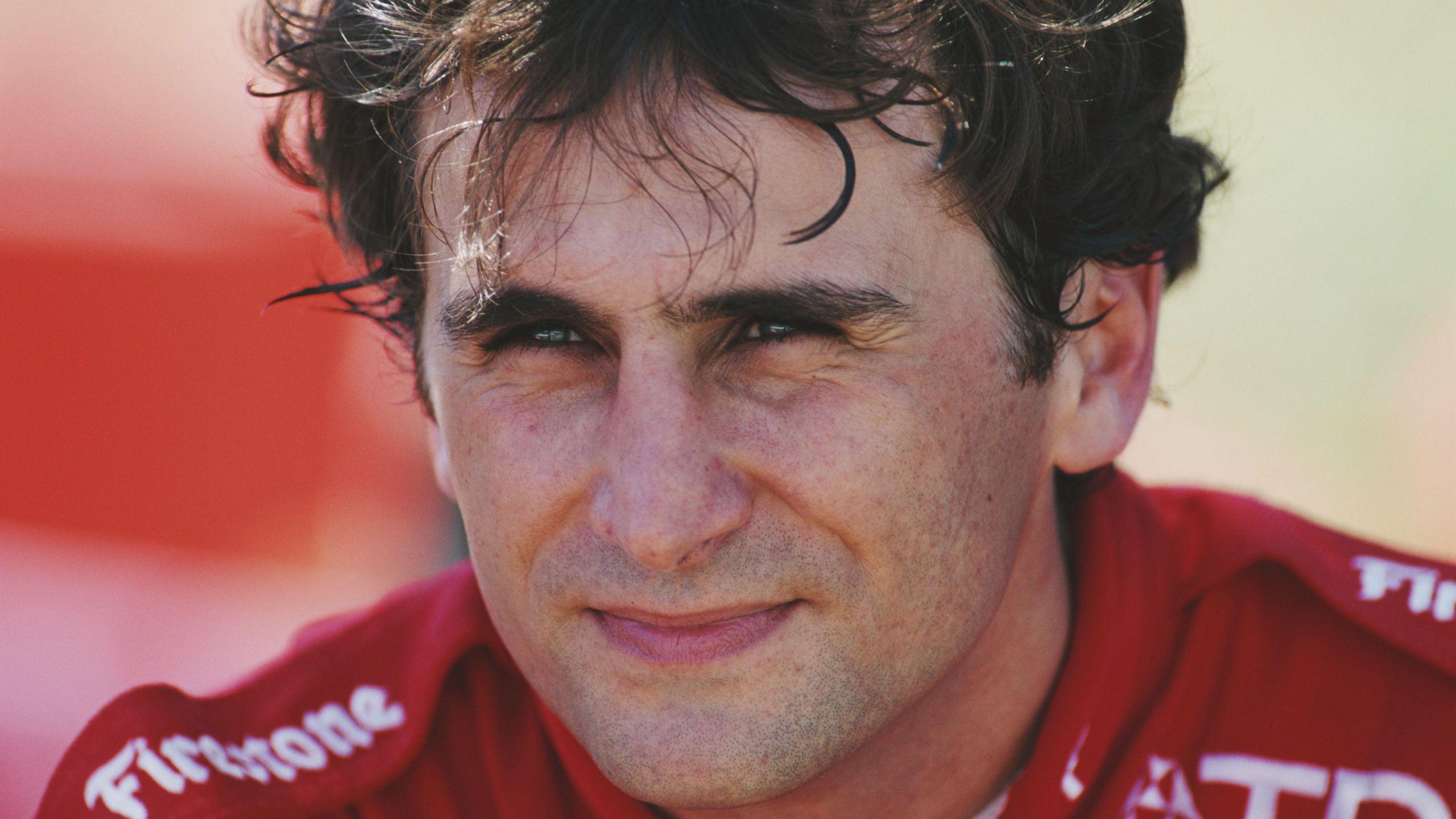
In September 2001, Alex Zanardi lay in a German hospital with both legs amputated after a catastrophic crash at the Lausitzring, his racing career apparently over in the most brutal way imaginable. Less than eleven years later, the Italian stood on the Olympic podium in London, gold medals around his neck, raising his handcycle above his head in an image that would become one of the most enduring in sporting history.
Zanardi, who died at 59 on May 1st, leaves behind a legacy that defies easy description. He was a Formula 1 driver for Jordan, Minardi, Lotus, and Williams. He won the CART championship in America twice, in 1997 and 1998. He was, by any measure, already a racing legend. But it was what came after the accident that transformed him into something rarer still — a symbol of what human beings can become when they refuse to be defined by catastrophe.
After learning to walk again on prosthetic legs, Zanardi returned to motorsport, winning four races for BMW in the World Touring Car Championship between 2005 and 2009. But his greatest chapter was still unwritten. He discovered handcycling, and in London 2012 he won gold in both the H4 time trial and H4 road race — then carried Italy's flag at the closing ceremony. Four years later in Rio, he doubled down with another two golds in the H5 time trial and relay. Across his handcycling career, he became a 12-time world champion and claimed the men's para-cycling title at the New York Marathon in 2011.
The tributes poured in after his death with a sincerity that transcended sporting rivalry. FIA president Jean Todt called him one of sport's most admired competitors and an enduring symbol of courage. Mercedes team principal Toto Wolff captured something essential when he said Zanardi showed that even when life challenges you, it does not have to define you — that adversity can be overcome with humility, humour, and optimism. Italian Prime Minister Giorgia Meloni put it plainly: he gave hope, pride, and the strength to never give up.
Yet the story held one final, painful turn. In September 2020, Zanardi lost control of his handbike during a road race in Tuscany and crashed into an oncoming truck, suffering serious head injuries. He never fully recovered.
His final public act, in many ways, echoed his first: a man who refused to stop fighting, even when the odds made it irrational to try. The International Paralympic Committee called him a pioneer, an icon, and a legend. That iconic photograph from London — his handcycle raised triumphantly skyward — will endure as proof that the human spirit can rewrite its own story, no matter what the opening chapters have written.
Alex Zanardi is gone. His example remains.