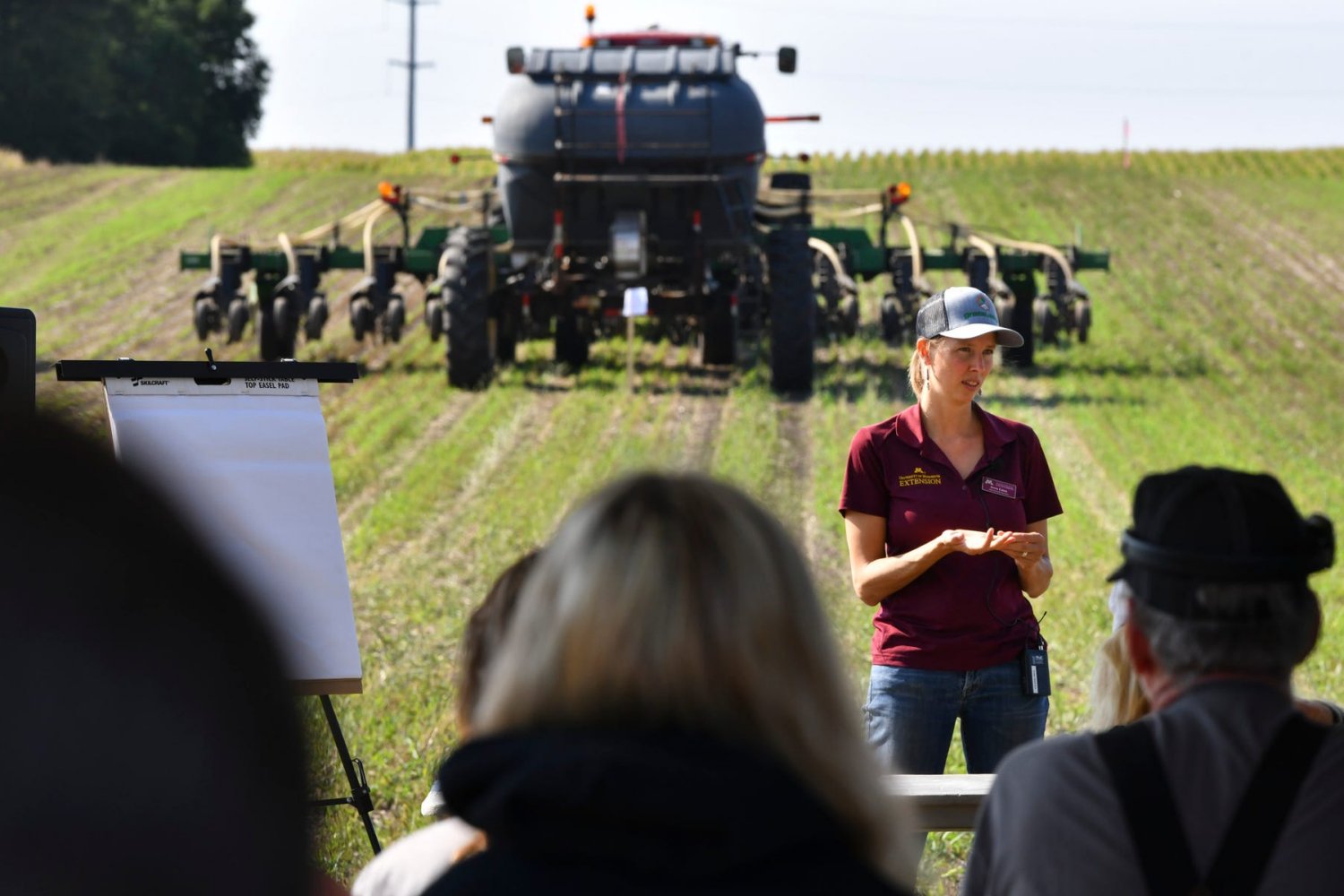
Karina Atkins didn’t set out to become a climate reporter, but when she was selected as an MIT Environmental Solutions Journalism Fellow, she dove into the tangled web of policies blocking Illinois farmers from adapting to a hotter, drier future—reaching hundreds of thousands with her reporting in the Chicago Tribune. Since 2021, the MIT Climate Project has quietly built a network of 20 local journalists like Atkins, who have collectively published 104 climate stories with a combined audience of nearly 3 million. These aren’t distant, abstract reports on melting glaciers, but grounded investigations into offshore wind in Louisiana, flood resilience in West Virginia, and the economic transformation of Utah’s coal country—stories that connect climate change to jobs, land, and survival.
The fellowship was created to answer a critical gap: while national outlets have climate desks, most Americans get their news from local sources they trust far more. MIT’s program ensures that ambitious climate reporting isn’t limited to well-funded metros. Instead, it empowers reporters from nonprofit startups, rural weeklies, and radio stations to bring science-backed storytelling to communities often left out of the climate conversation. Carolyn Beans, for instance, used her fellowship to explore the emerging market for climate-smart milk, giving Pennsylvania dairy farmers a rare, practical lens on sustainability.
Each fellow receives scientific training from MIT experts, access to interactive climate models, and support from a dedicated science editor—resources most local newsrooms lack. But the real impact goes beyond individual stories. Newsrooms have expanded their environmental coverage, reporters have shifted to dedicated climate beats, and one fellow even launched a new outlet focused entirely on environmental solutions in Minnesota. “We don’t ask how big your audience is,” says Aaron Krol, who leads the Climate Change Engagement Program. “We ask who you’re going to reach, and how you’re going to connect climate change to their lives and livelihoods.”
The diversity of participating outlets reflects the evolving landscape of American journalism—from legacy dailies to digital-native nonprofits—yet all share a commitment to relevance and community trust. The program’s 2026 Impact Report reveals a ripple effect: stories spark follow-up reporting, inspire policy questions, and equip readers with actionable knowledge. More than just informing, these journalists are reshaping how communities see their role in the climate crisis.
As local news struggles to survive, the MIT fellowship proves that investing in journalists is investing in resilience. With every story published, a new thread is woven into the national fabric of climate understanding—one community, one conversation, one solution at a time.