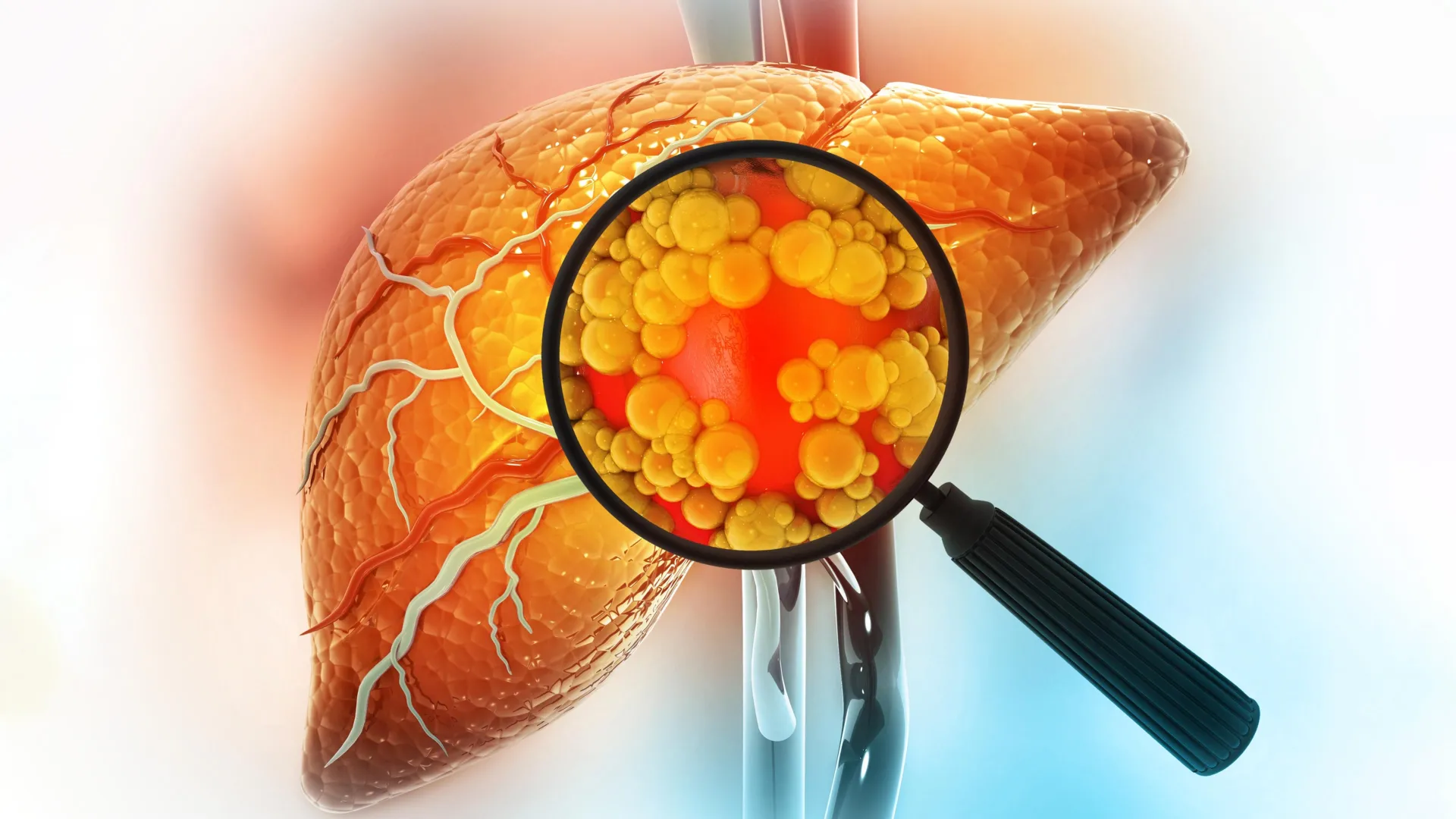
When scientists at Michigan Medicine noticed that tiny mice in their lab were getting better from a serious liver disease, they paid close attention. Now, after years of research, they believe they've found something remarkable: a drug that might heal the gut and, in turn, save the liver.
The experimental compound, called DT-109, reversed severe fatty liver disease in both mice and monkeys, according to research published in The Journal of Clinical Investigation. The drug worked by fixing something unexpected — the damaged lining of the gut.
Here's why that matters: inside everyone's intestines live trillions of bacteria, most of them helpful. But in people with a condition called metabolic dysfunction-associated steatohepatitis, or MASH, one harmful bacterium called Clostridium perfringens grows out of control. It produces ammonia, which eats away at the gut's protective barrier. Once that barrier breaks, bacteria and their waste products leak into the bloodstream and travel to the liver, triggering inflammation and disease.
"We see clear evidence that DT-109 protects the gut epithelial barrier, reducing the systemic influx of harmful microbial products that are thought to contribute to MASH development and progression," said Dr. Eugene Chen, senior author of the study and professor of cardiovascular medicine at the University of Michigan.
DT-109 is what scientists call a glycine-based tripeptide — a small chain of three building blocks made from glycine, an amino acid already found in the human body. In experiments, the drug lowered Clostridium perfringens levels and reduced ammonia in the intestines. With less ammonia damaging the gut, the intestinal barrier grew stronger again, keeping harmful substances from reaching the liver.
The results in monkeys were especially encouraging. Their bodies work more like human bodies than mice do, and in these animals, DT-109 reduced liver inflammation and significantly improved MASH severity.
"This study presents novel evidence about the pathogenesis of MASH and provides excitement about a therapeutic avenue to explore for a condition that remains difficult to treat," said Dr. Elliot Tapper, academic director of hepatology at Michigan Medicine. "What patients with MASH need is a safe and effective therapy capable of improving their liver and heart health — of course we are excited about these developments."
MASH affects about 7% of people worldwide and can lead to cirrhosis, liver cancer, and liver failure. Yet treatment options remain limited.
Researchers are now planning additional studies to move DT-109 into human clinical trials. They're also exploring whether the drug could help with other conditions linked to a damaged gut barrier, including inflammatory bowel disease and cardiovascular disease.